


“SAFEHEART and Beyond – The Croatian Model 2026”; A Strategic European Forum Concludes with a Call to Action for Cardiovascular Prevention in Central and Eastern Europe
he international policy and expert forum SAFEHEART and Beyond – The Croatian Model, organised by the Croatian League for Hypertension and Health Hub – Regional Think Tank for Healthcare, brought together leading national and European policymakers, clinicians, public health experts, patient representatives, academic community and industry stakeholders with the aim of redefining approaches to cardiovascular prevention and cardio-renal-neuro-metabolic health in (CEE) Europe.
The conference was designed as a platform connecting science, health policy, concrete public health actions, and patients, with a strong focus on implementation — that is, the transition from recommendations and strategies to real, measurable outcomes at the population level.
The hybrid event convened participants from across Croatia, Central and Eastern Europe, and the wider European Union, with a shared objective: to empower The Safe Hearts Plan launched by the European Commission in this region, advance cardiovascular prevention, present Croatian prevention model, accelerate innovation, and align European policy with national implementation, ultimately contributing to a joint Call to Action 2026–2030.
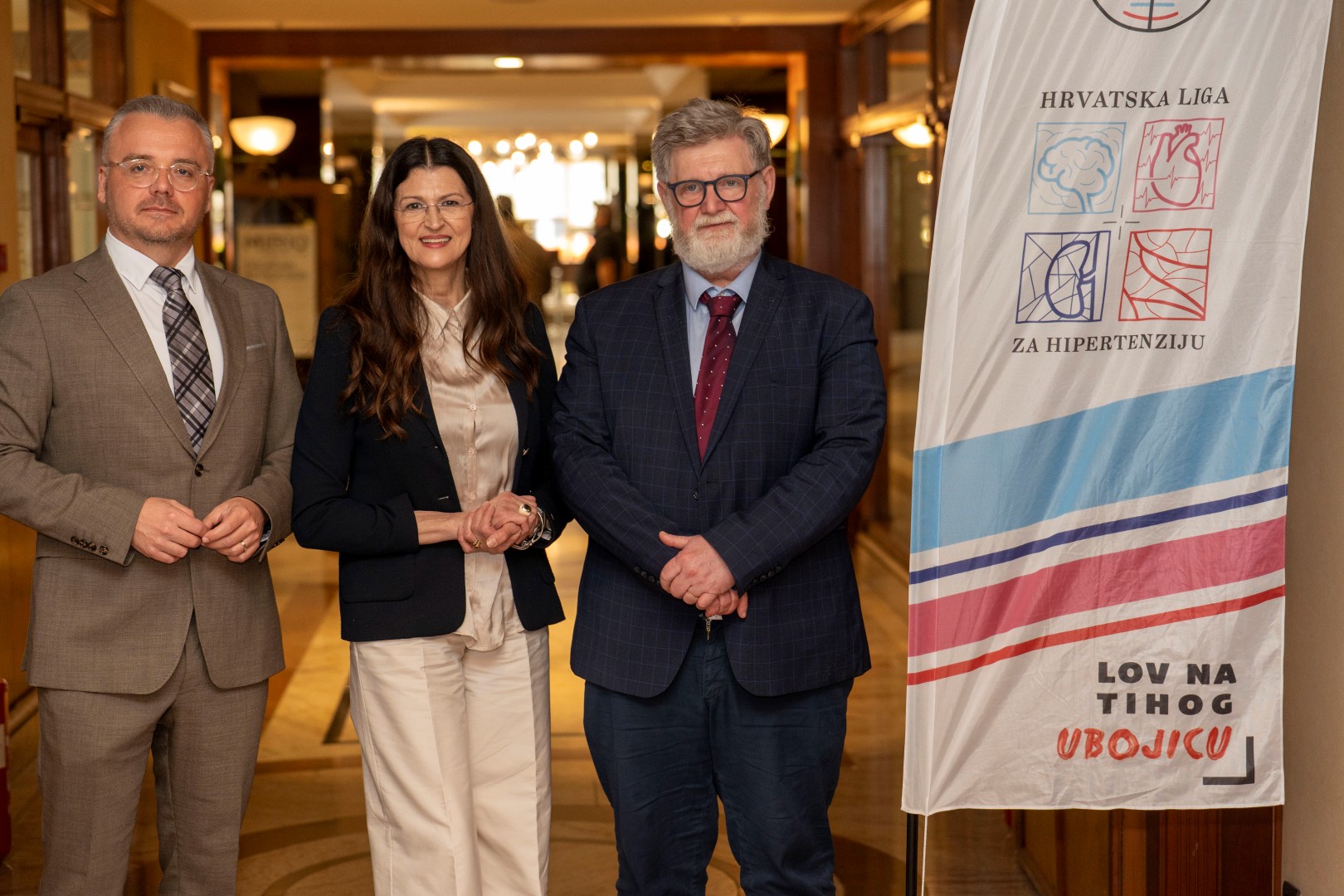
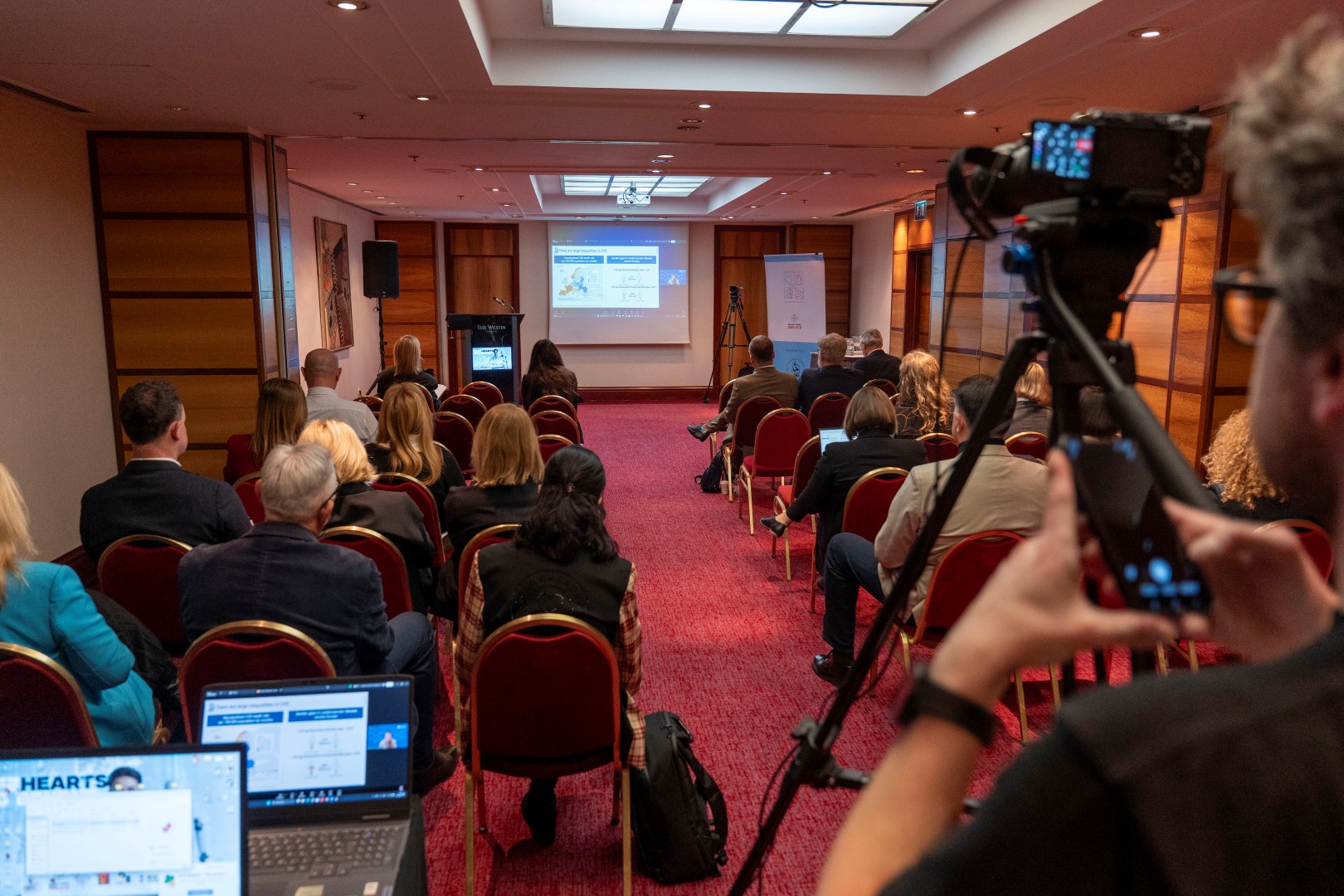
A Strong European and Global Expert Dialogue
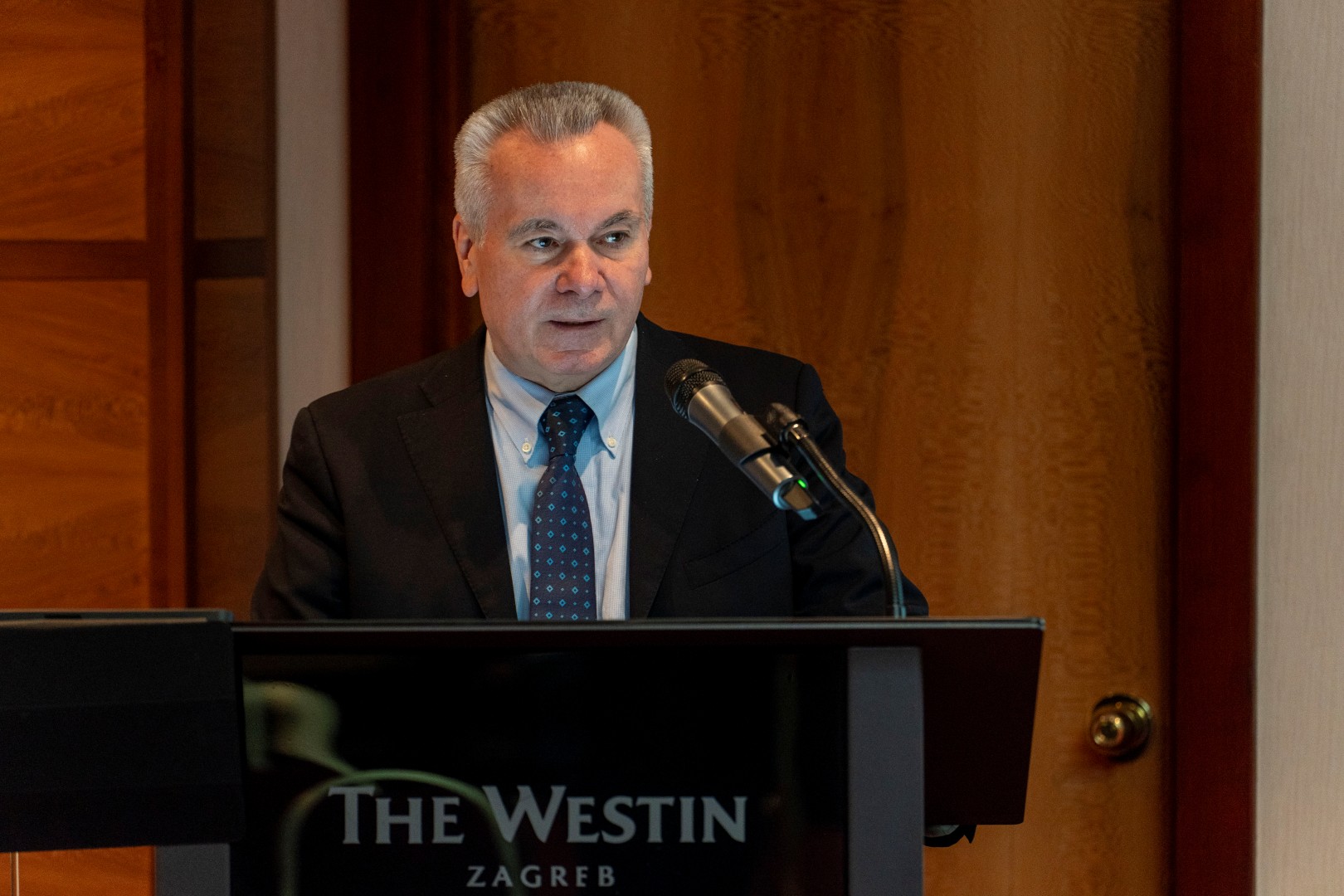
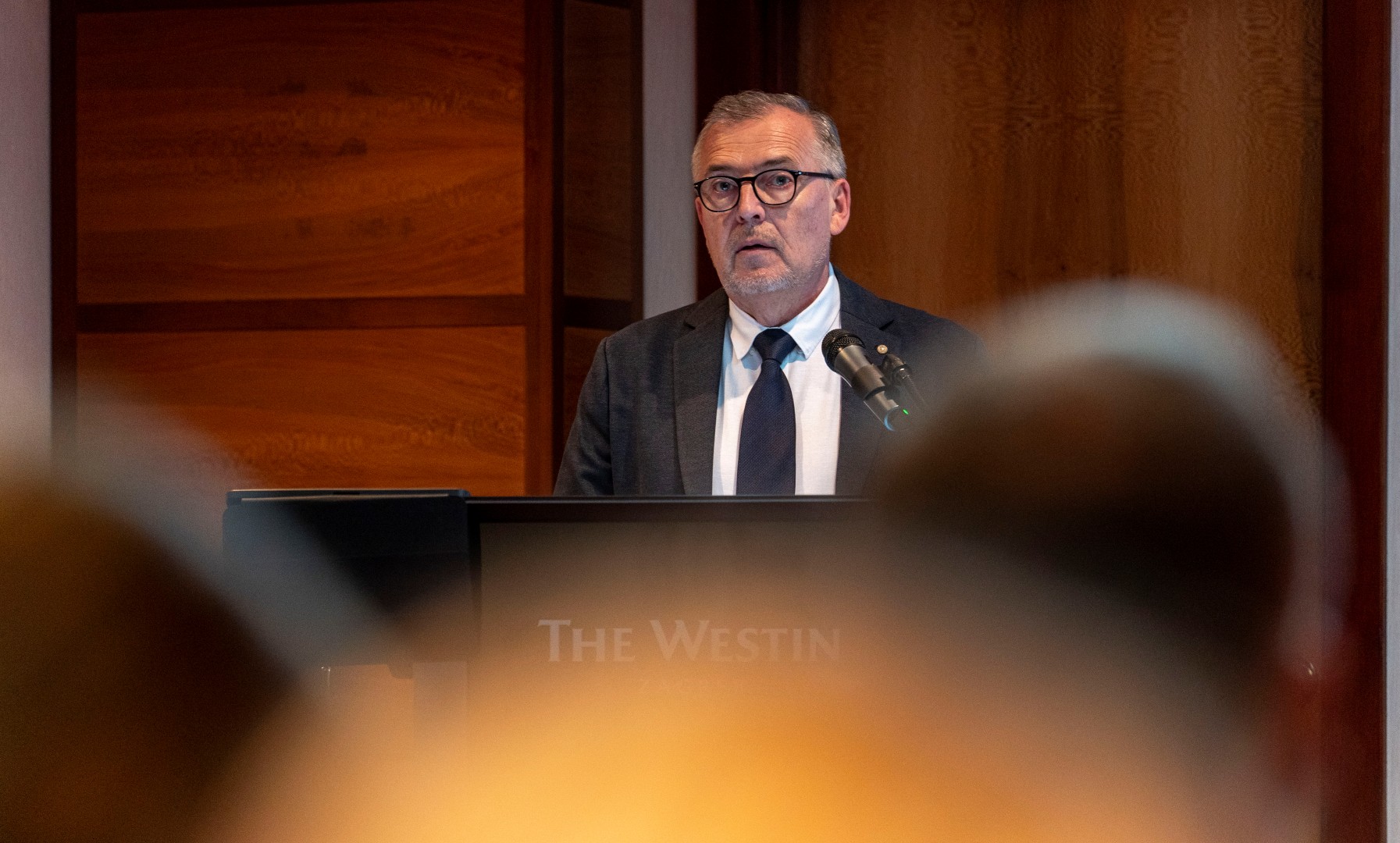
The forum was opened by Professor Bojan Jelaković, MD, PhD, who positioned Croatia within the European and global framework of prevention, emphasizing that Central and Eastern Europe continues to bear a disproportionately high burden of cardiovascular, cerebrovascular, and renal diseases, and that this moment represents a crucial opportunity for systemic change and the strengthening of regional cooperation.
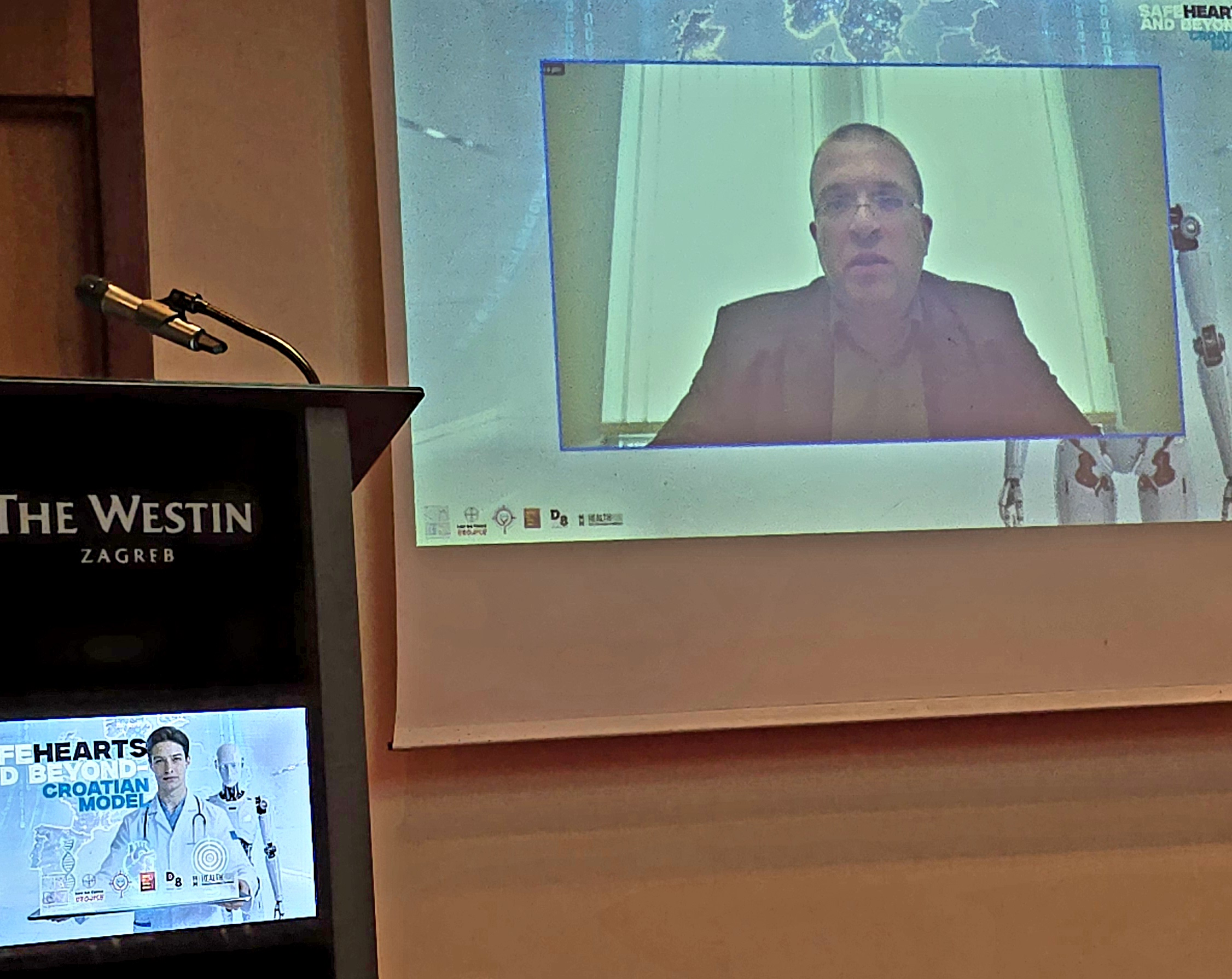
The first policy session, “The International Framework – From Strategy to System”, provided a comprehensive overview of the European and global policy landscape. Professor Romana Jerković, MD, PhD, MEP, Chair of Cardiovascular Health Group in European Parliament, highlighted how cardiovascular health has become a priority at the European level through The Safe Heart Plan, stressing the importance of coordinated action across Member States. Building on this, Associated Professor Tomislav Sokol, PhD, MEP, underlined the transformative role of health data and digital tools in enabling more precise, predictive and scalable prevention strategies, also adding his dedication for The Critical Medicines Act.

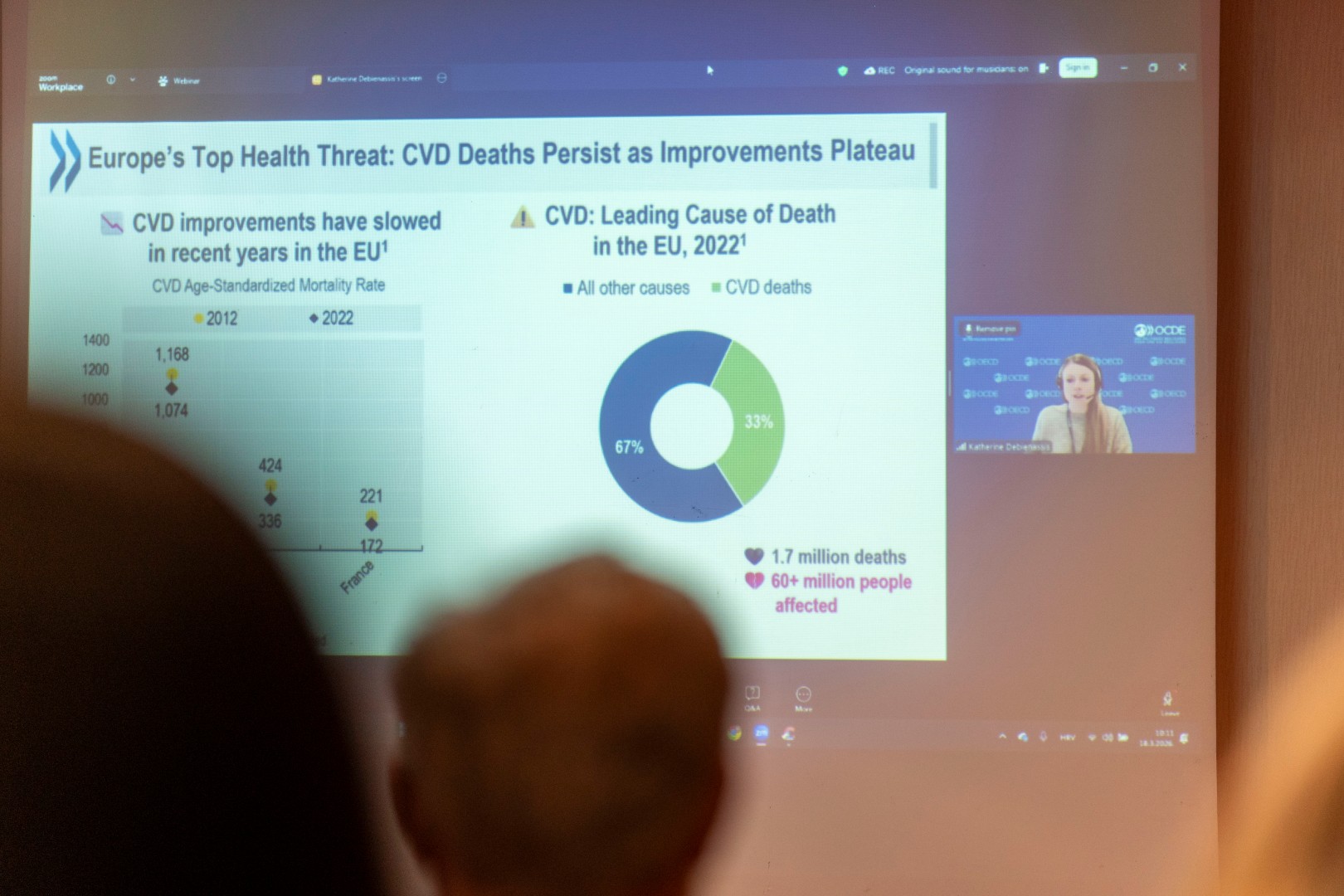
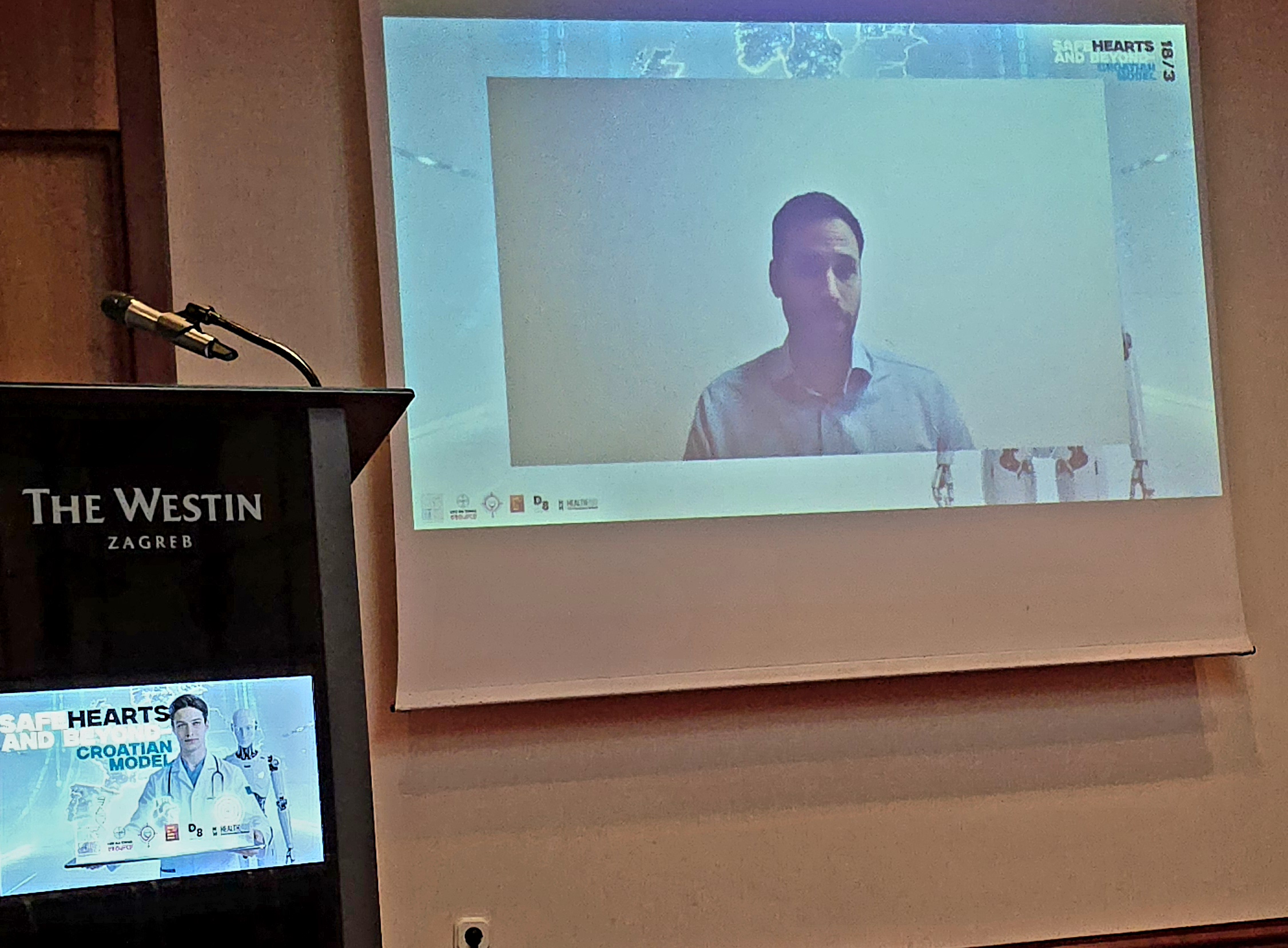
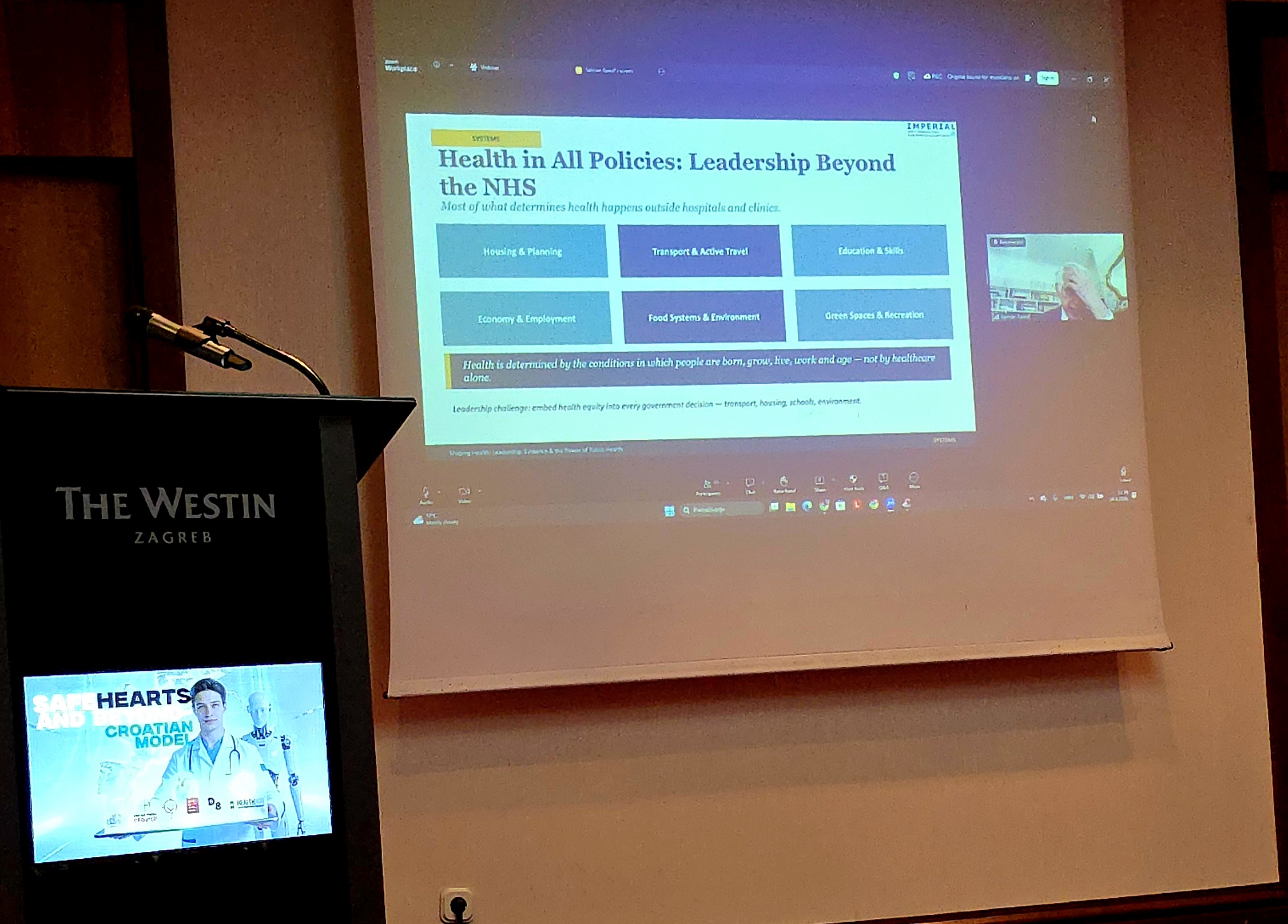
This perspective was further deepened by Katherine de Bienassis, Health Policy Analyst at the OECD, who presented evidence on persistent inequalities in cardiovascular outcomes across Europe published in „The State of CardiOvascular Health in EU“, pointing to significant unmet needs, particularly in Central and Eastern Europe. Continuing this systemic perspective, Jure Kocman from Roche Diagnostics, presented The Partnership for Health System Sustainability and Resilience (PHSSR), emphasised that health systems must shift from reactive models to proactive, prevention-oriented structures, highlighting that the main barrier is not lack of knowledge but lack of early action. PHSSR Report on NCD’s was recently presented during World Economic Forum in Davos. The session concluded with Professor Salman Rawaf, MD, Director of the Imperial’s WHO Collaborating Centre for Public Health Education and Training, who stressed the importance of leadership, governance and public health capacity in translating evidence into sustainable policy and practice. Professor Rawaf described the Croatian League for Hypertension’s project “Hunt for the Silent Killer” as a fantastic example.
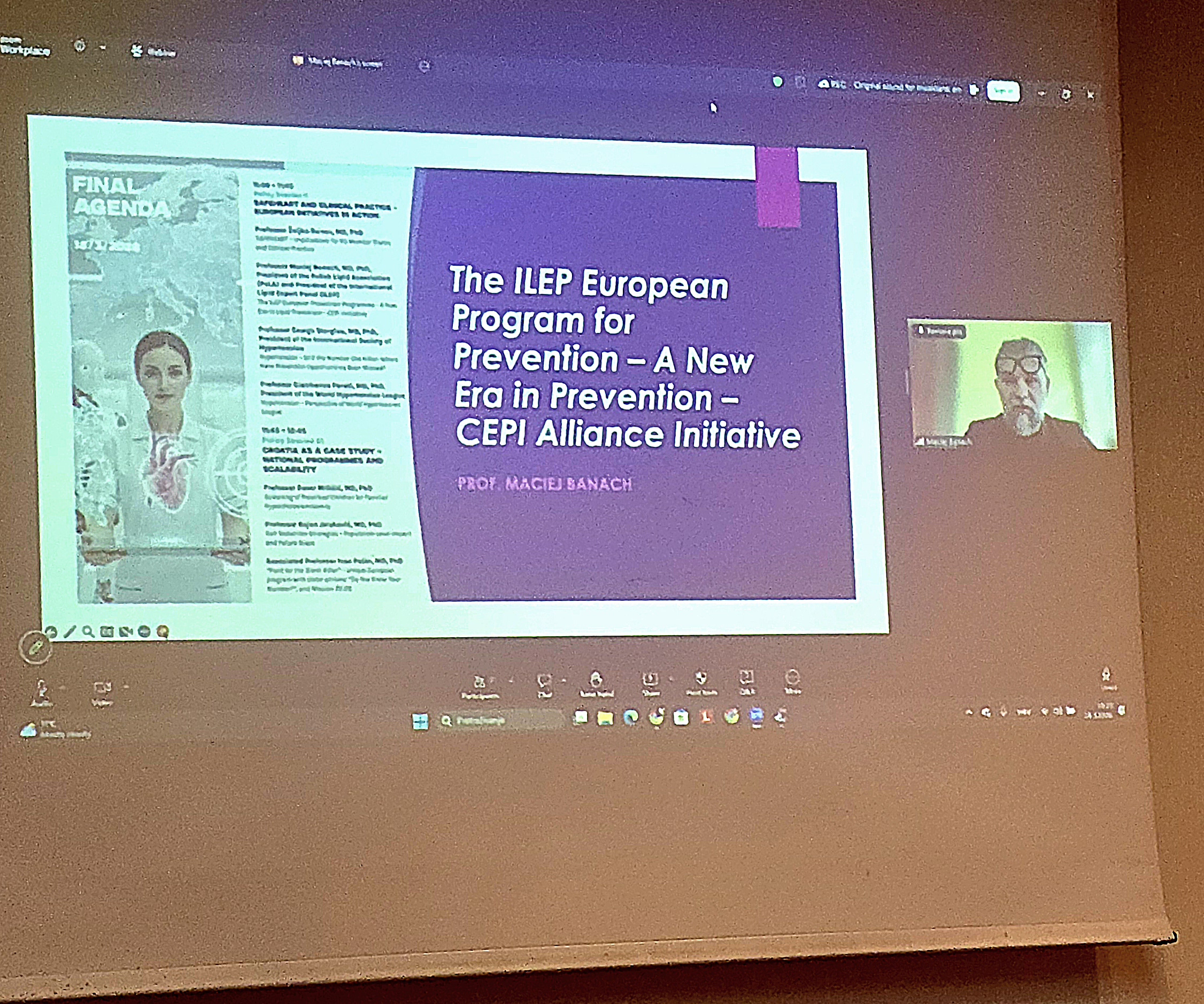
The second session, “SAFEHEART and Clinical Practice – European Initiatives in Action”, moved from policy to implementation, focusing on clinical pathways and real-world impact. Professor Željko Reiner, MD, PhD, discussed how European strategies must be translated into everyday clinical practice, ensuring consistency and quality of care across Member States, mentioning European Prevention Plan. This was followed by Professor Maciej Banach, MD, PhD, President of the Polish Lipid Association and the International Lipid Expert Panel (ILEP), who presented the CEPI initiative as a new era in lipid management, highlighting the importance of early intervention and systematic risk control.

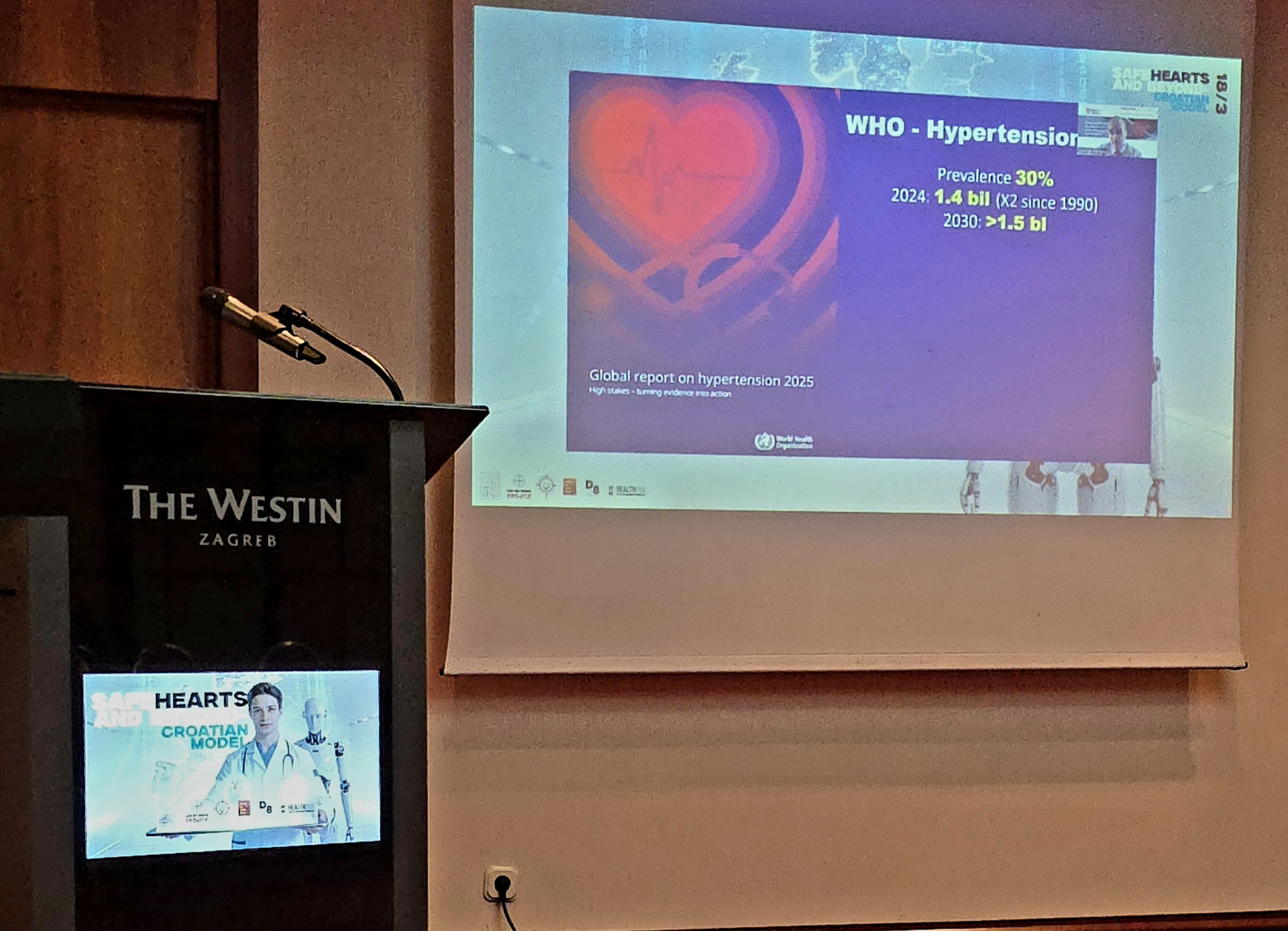
The discussion then turned to arterial hypertension, with Professor George Stergiou, MD, PhD, President of the International Society of Hypertension, identifying missed opportunities in prevention and the need for improved detection and long-term control. This was complemented by Professor Gianfranco Parati, MD, PhD, President of the World Hypertension League, who provided a global perspective, emphasising that addressing hypertension requires integrated approaches that combine clinical care, public health and patient engagement. He emphasized that individuals who have achieved control of arterial hypertension represent a minority, which is unacceptable given today’s treatment options and especially the possibilities for prevention, namely through changes in unhealthy lifestyle habits.
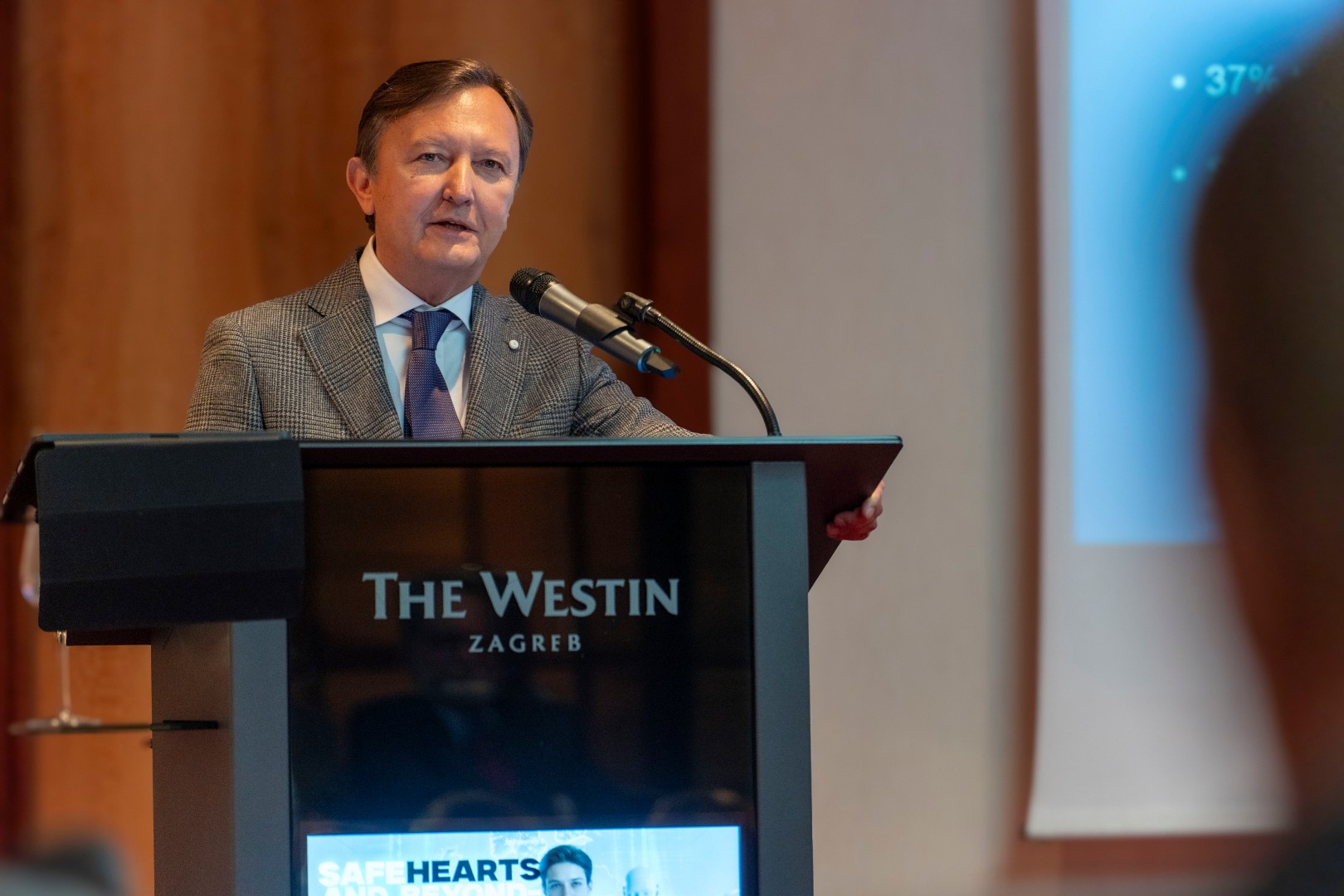
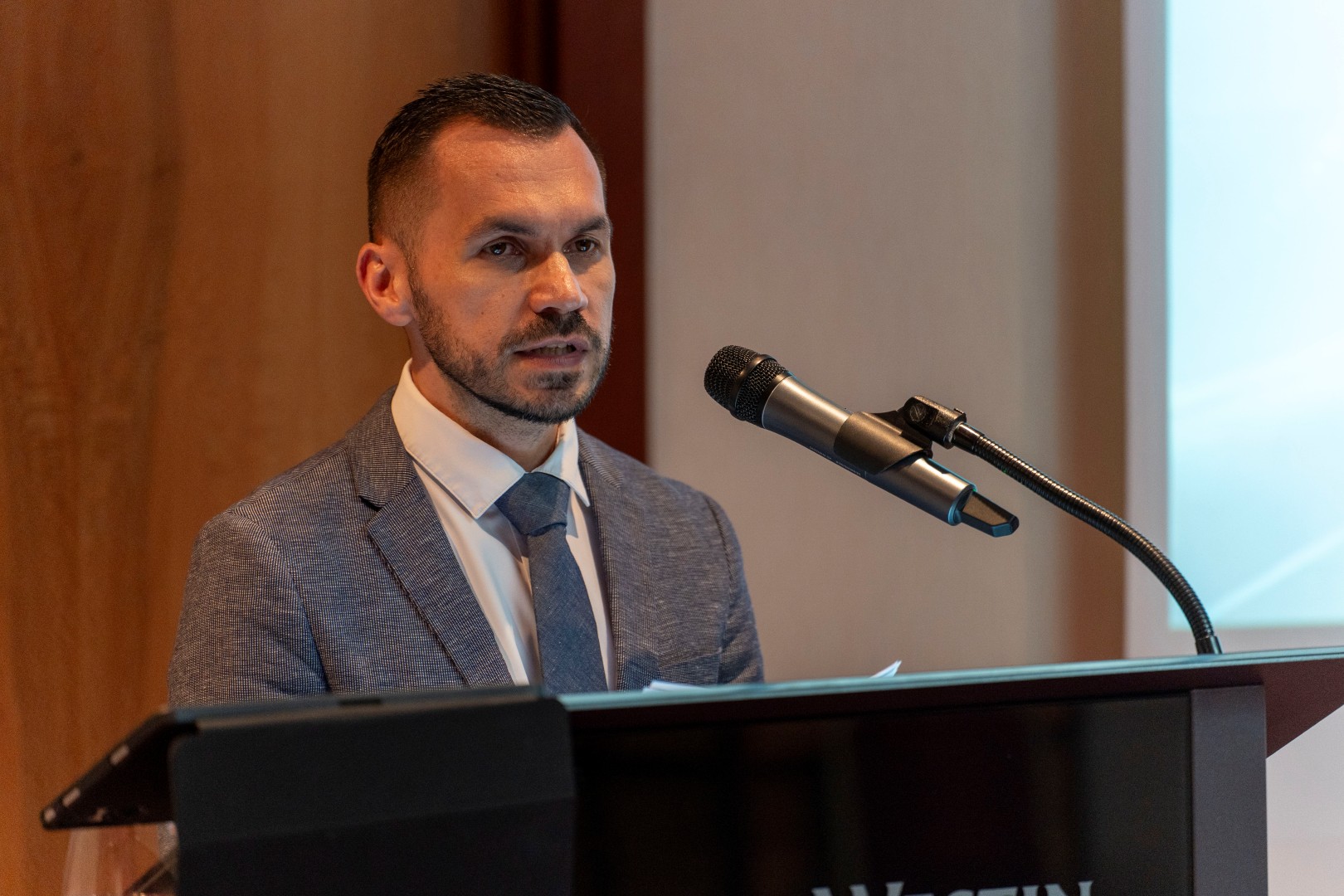
The third session, “Croatia as a Case Study – National Programmes and Scalability”, showcased Croatia as a model for integrated and scalable prevention. Professor Davor Miličić, MD, PhD, president of Croatian Cardiac Society, presented early screening for familial hypercholesterolaemia, demonstrating the importance of life-course prevention and early detection and marked this as a leadership initiative in timely prevention on EU level. This was followed by Professor Bojan Jelaković, MD, PhD, who presented Croatian data on arterial hypertension, which is the leading cause of years of life lost and mortality in Croatia. He also outlined national strategies, including the successful project to reduce dietary salt intake led by the Croatian League for Hypertension, highlighting it as a powerful population-level intervention with measurable effects on cardiovascular outcomes, which the World Health Organization has designated as a “best-buy” method in the primary prevention of cardiovascular diseases.


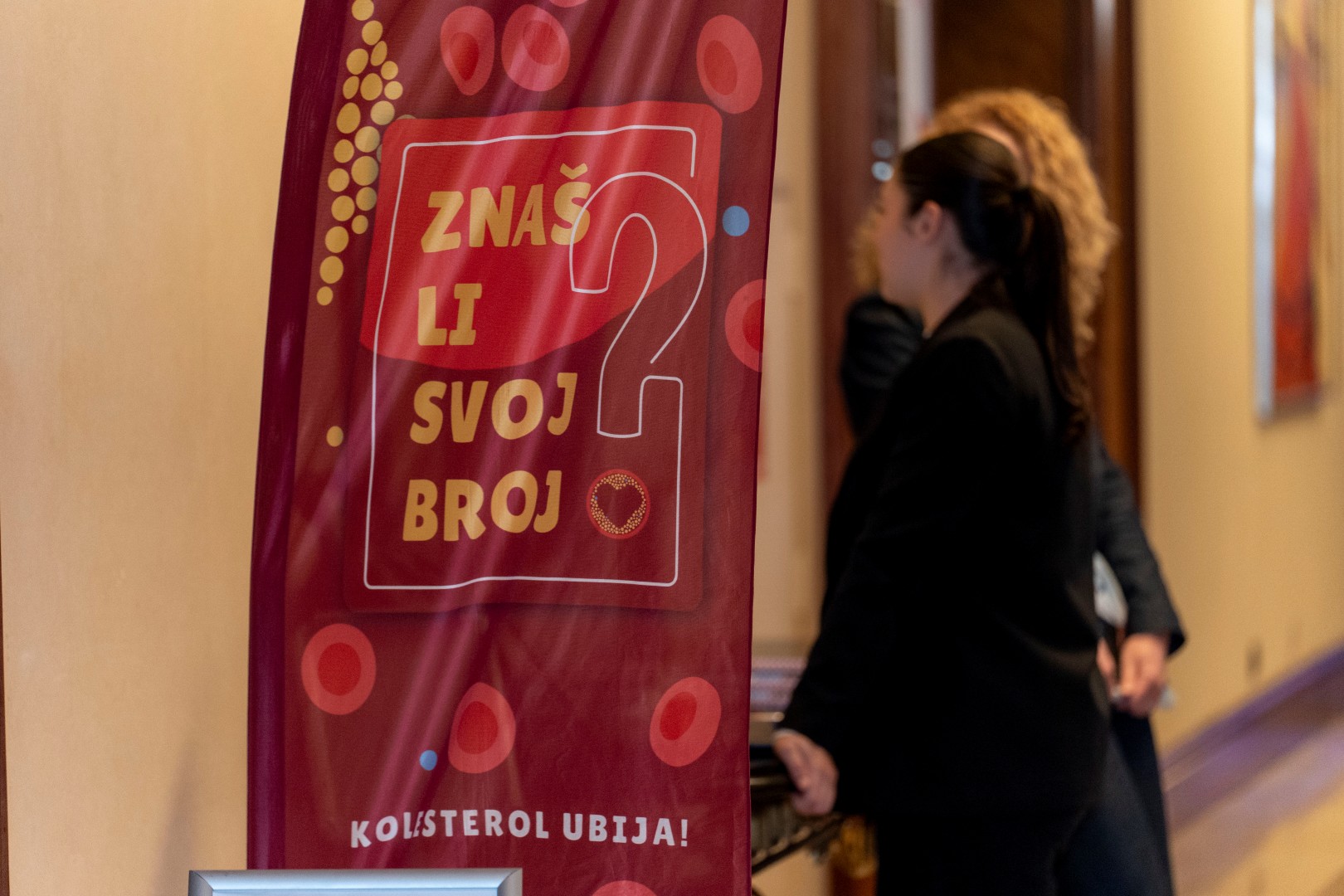
Building on these approaches, Prof. Ivan Pećin, MD, PhD, President of the Croatian Society for Atherosclerosis of the Croatian Medical Association and Vice President of the Croatian League for Hypertension, presented the Croatian League for Hypertension’s unique program “Hunt for the Silent Killer,” reinforced by two specific initiatives, “Do You Know Your Number?” and “Mission 70/26.” He emphasized the role of awareness, screening, and broad, creative public engagement in identifying undiagnosed risk.
The session was concluded by Ana Soldo, MPharm, President of the Croatian Chamber of Pharmacists, who presented the PILK project and highlighted the increasingly important role of pharmacists in prevention—particularly in improving adherence, educating patients, and managing cardio-renal-metabolic risk factors through multidisciplinary collaboration.
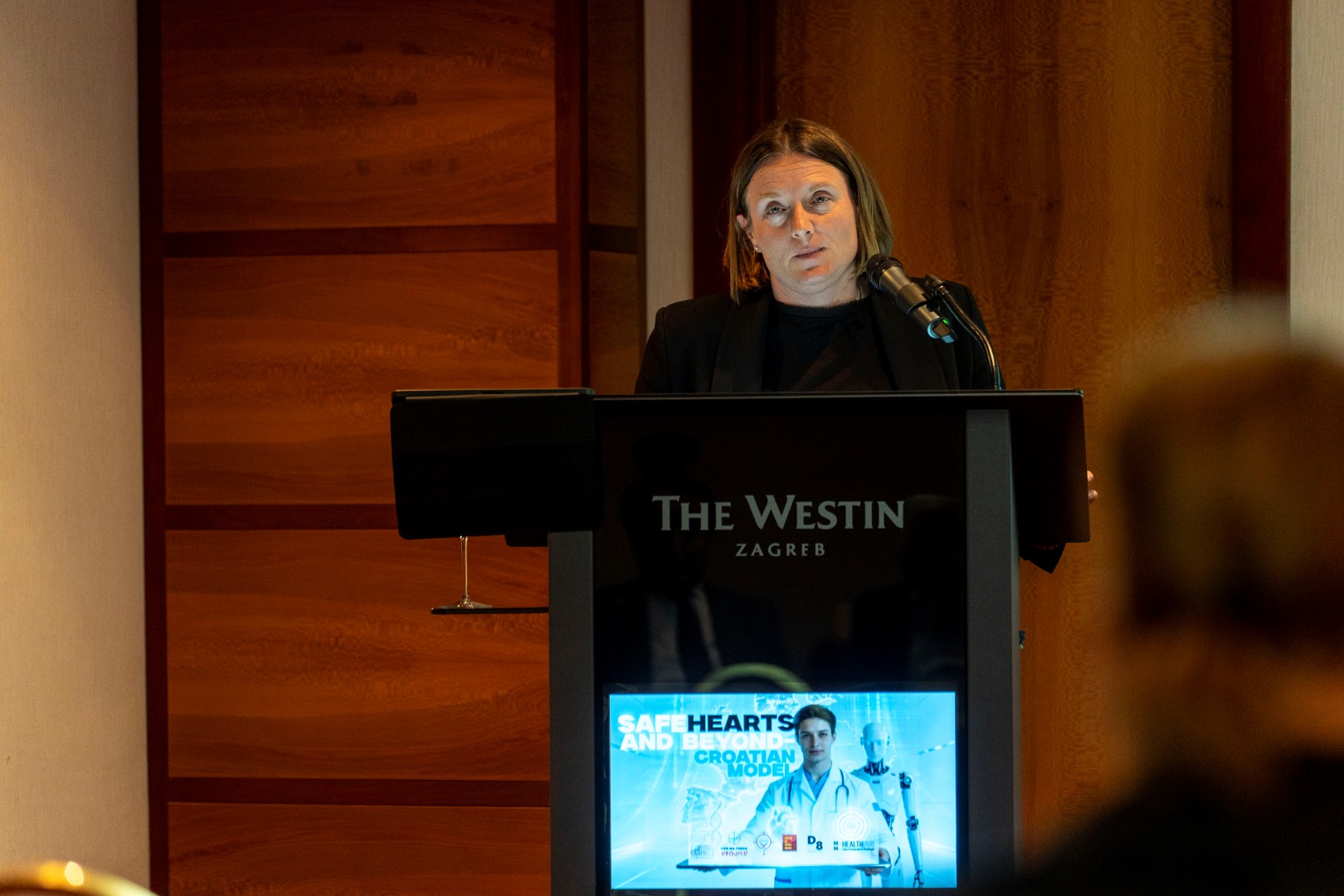
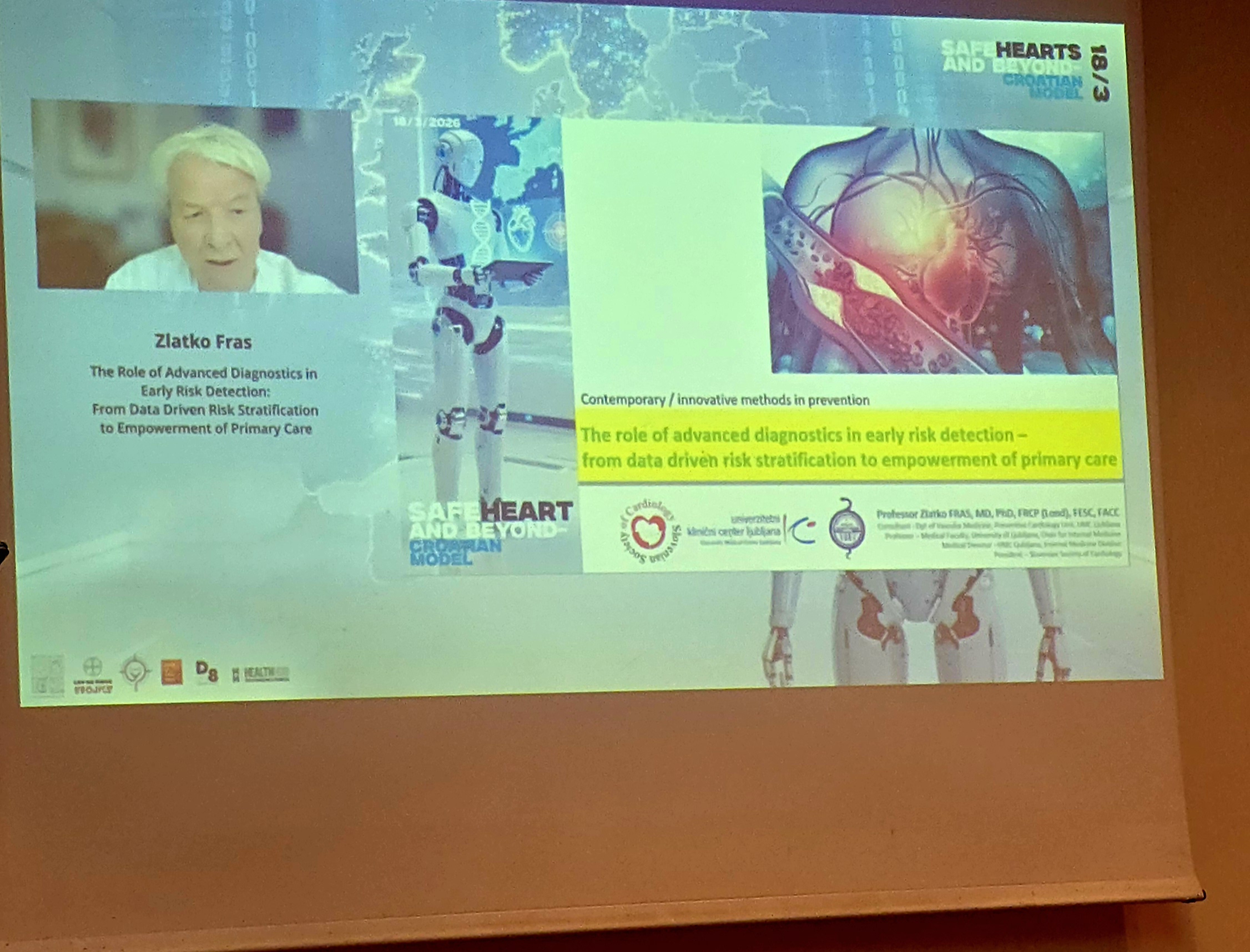
The fourth session, “Next-Generation Prevention – Data, Diagnostics and Primary Care”, focused on innovation and system sustainability. Professor Zlatko Fras, MD, PhD, presented the role of advanced diagnostics in early risk detection, emphasising the shift toward predictive and personalised prevention. This was followed by Professor Dinko Vitezić, MD, PhD, who addressed the economic dimension of prevention, highlighting that without appropriate reimbursement models, prevention remains limited despite clear evidence of its long-term value.
The session concluded with Radka Lang (MSD), Vice-Chair of the EFPIA Cardiovascular Health Platform, who emphasised that innovation must be understood broadly — not only as technological advancement, but also as new models of care, better use of data and stronger integration of prevention into health systems.
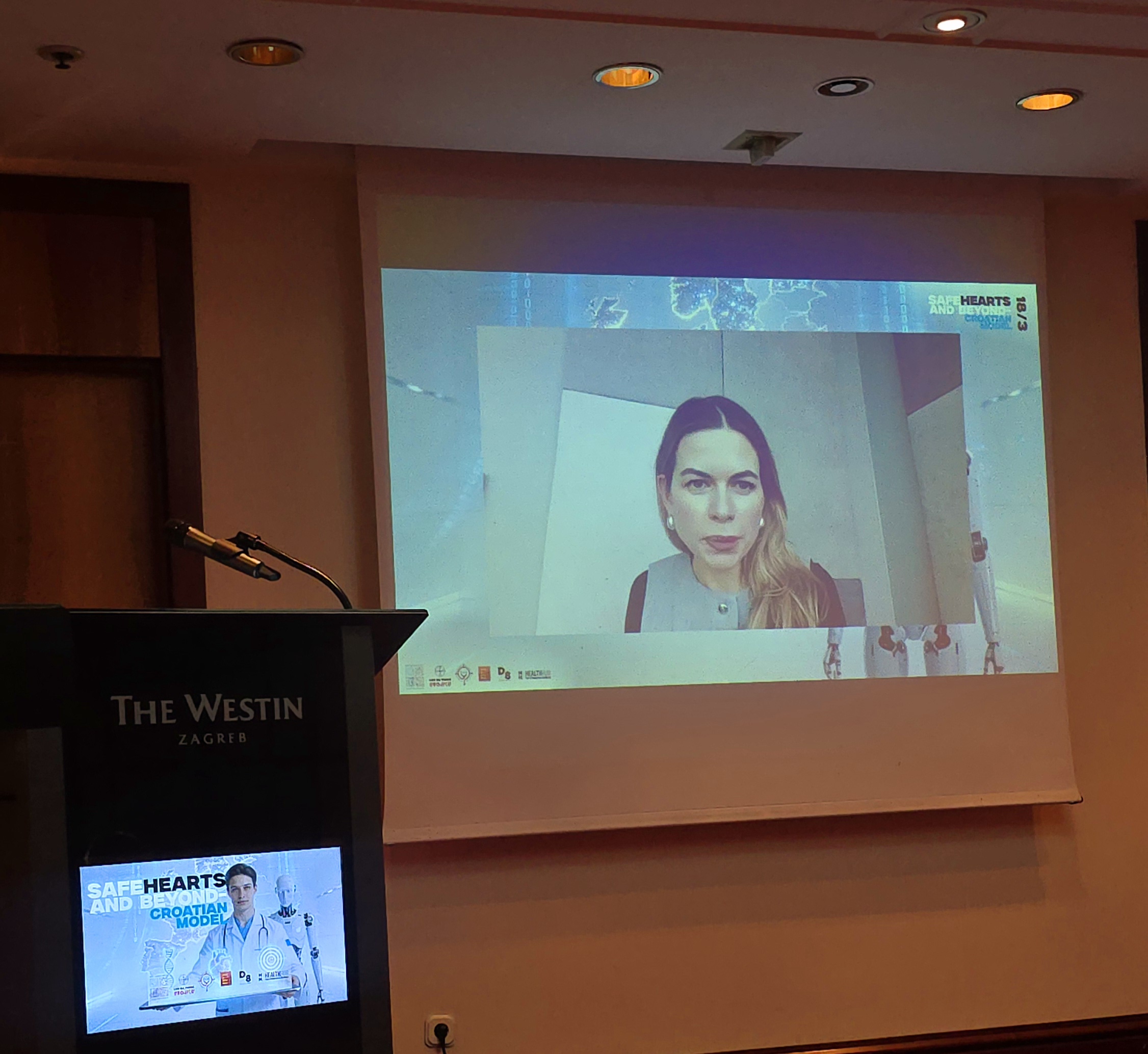
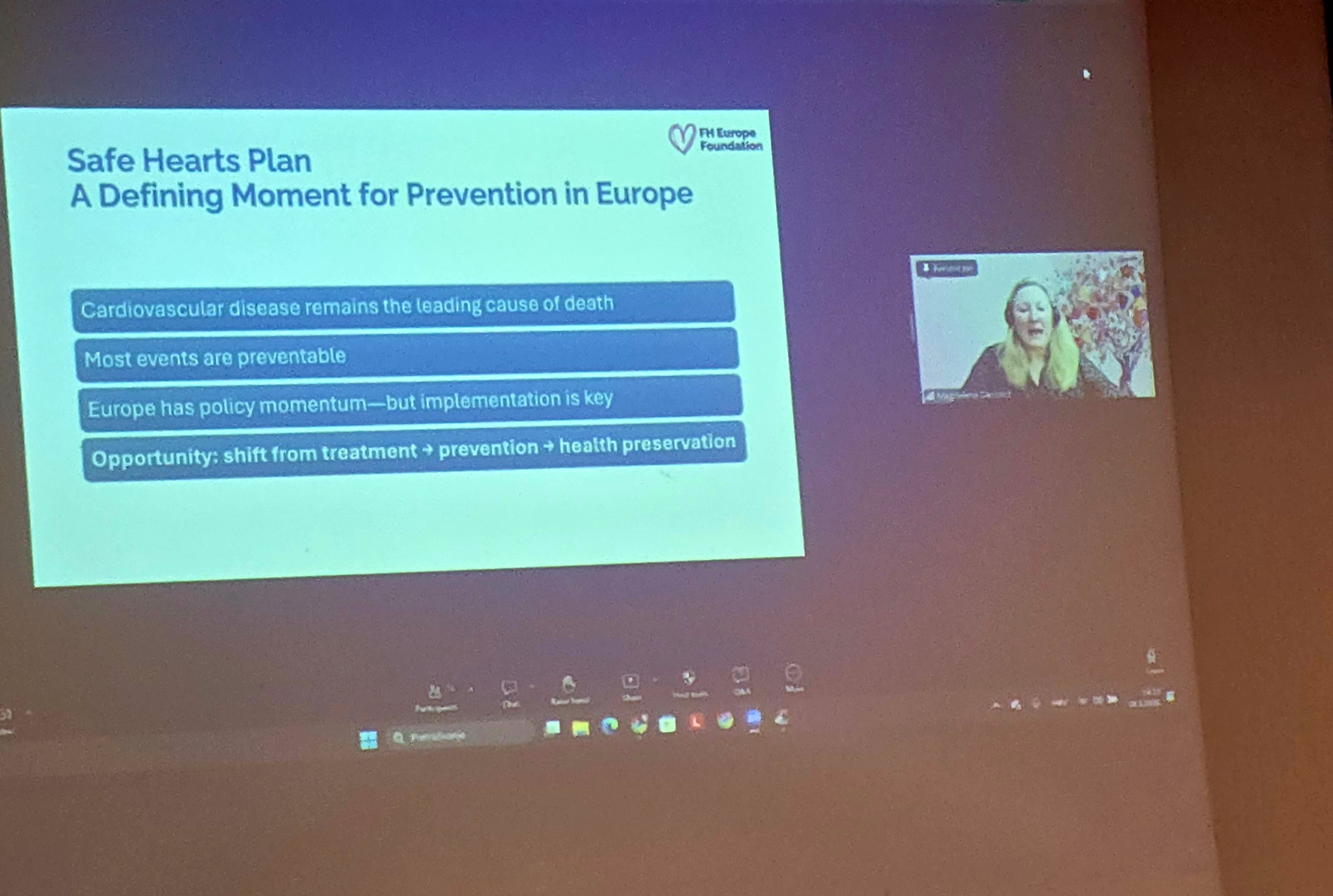
The final session, “The Patient and Society at the Centre of Prevention”, shifted the focus toward societal engagement and the human dimension of prevention. Martin Sinković, Olympic medalist and one of the ambassadors of the Croatian League for Hypertension, spoke about the power of sport and public campaigns in shaping healthier behaviours and raising awareness. This perspective was reinforced by Magdalena Daccord, FH Europe, who highlighted the critical role of patient organisations in advocating for early diagnosis and equitable access to care. The session concluded with prof. Mensur Mulabdić, who shared a personal patient perspective, reminding participants that behind every statistic there is a real human story, and that timely prevention can change the course of lives. He emphasized that every patient must become responsible for their own health, while at the same time sharing their knowledge and positive experiences related to improving health with their family members, friends, and neighbors.
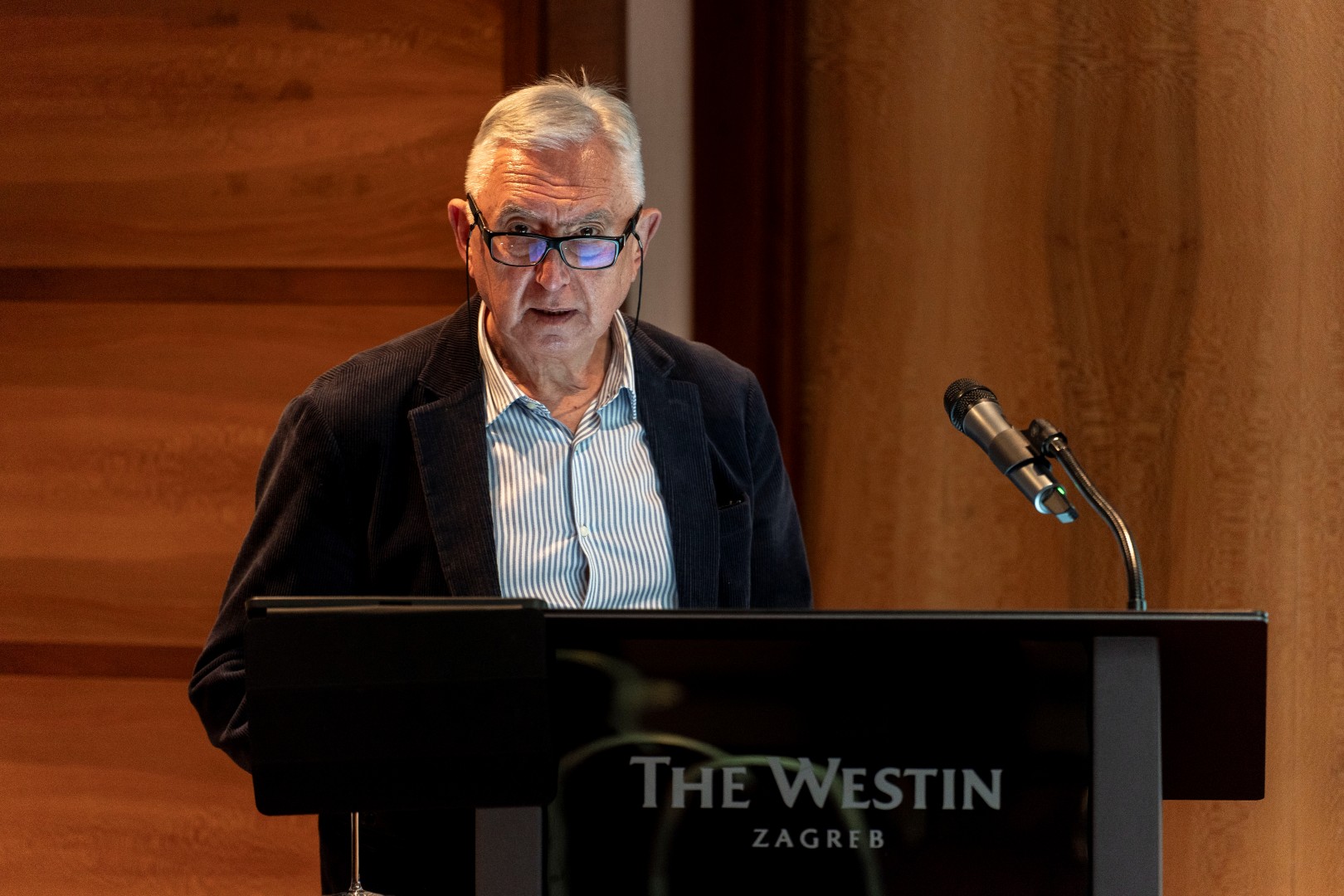
The forum concluded with a high-level panel discussion featuring Assoc. Prof. Krunoslav Capak, MD, PhD, Director of the Croatian Institute of Public Health, and Assoc. Prof. Damir Važanić, Ministry of Health of the Republic of Croatia, Head of Sector for Primary Healthcare. The panel emphasised that the future of cardiovascular prevention depends on strong policy leadership, sustainable health system design and the ability to implement change at scale.
The Croatian Prevention Model – From Concept to Practice
One of the key conclusions of the conference was that Croatia, through its integrated approach to prevention and innovative public health campaigns, can serve as a model of good practice at the European level.
The need was emphasised for scaling successful national programmes to the EU level, strengthening cross-sector collaboration, and accelerating the implementation of preventive strategies.
At the centre of the conference was the so-called “Croatian model”, in which a key role is played by the continuous national programme and campaign “Hunt for the Silent Killer.” Croatia is an excellent global example of how programs to reduce excessive dietary salt intake can be successfully implemented.
The Croatian model integrates early detection of risk factors (screening), education of citizens, patients and healthcare professionals, active involvement of patients and society as a whole, as well as collaboration between the healthcare system, academia and decision-makers.
In this context, a long-standing public health initiative “Hunt for the Silent Killer” was presented, further strengthened through two intensive health literacy campaigns focused on arterial hypertension, dyslipidaemia, and unhealthy lifestyles — “Do You Know Your Number?” and Mission 70/26. The importance of these initiatives is also reflected in the fact that the Croatian Academy of Sciences and Arts is a patron of the “Hunt for the Silent Killer” campaign.
These initiatives, implemented by the Croatian League for Hypertension across the country, enable citizens to access quick and easily available measurements of key health indicators.
“The Croatian model demonstrates that prevention must not remain only at the level of documents and recommendations — it revives and brings back to life the principles of Andrija Štampar, according to which physicians and all healthcare professionals must be present among people, in the community and in everyday clinical practice,” it was highlighted during the conference.
Next Step – “Hunt for the Silent Killer” in European Parliament (Brussels)
A clear confirmation of the success and sustainability of the Croatian model — particularly in promoting health literacy, implementing screening initiatives, and organising primary preventive health checks through the long-standing programme “Hunt for the Silent Killer” — is the invitation from the European Parliament to organise this initiative for its employees within its premises.
It is particularly noteworthy that several leading European professional societies will join the Croatian League for Hypertension in this initiative, having themselves expressed interest and extended invitations for collaboration.
The Croatian model will thus be presented live in the European Parliament, where the “Hunt for the Silent Killer” initiative will further promote the importance of early detection and prevention of cardiovascular diseases.
This event represents an important step toward positioning Croatia as an active and leading contributor in shaping future European health policies.

A Platform for Action
SAFEHEART and Beyond – The Croatian Model has confirmed that Europe has the knowledge, expertise and tools needed to significantly reduce the burden of cardiovascular disease.
The next step is clear: coordinated implementation, stronger partnerships, and sustained political commitment.
With enourmous gratitude for all partner institutions and speakers, the organisers — Croatian League for Hypertension and Health Hub – Regional Think Tank for Healthcare — emphasised that this forum represents not the conclusion of a discussion, but the beginning of a coordinated European effort toward safer hearts and more resilient health systems in this region.
Key Conclusions of the Forum
The discussions throughout the forum confirmed that cardiovascular disease remains the leading cause of death and disability in Europe, with a particularly high burden in Central and Eastern Europe. Despite strong scientific evidence and available tools, prevention continues to be underutilised, while health systems remain predominantly oriented toward late-stage treatment rather than early, proactive intervention.
Participants emphasised that meaningful progress requires a systemic shift — from reactive to preventive care, from fragmented to integrated pathways, and from isolated interventions to coordinated, data-driven strategies that place patients at the centre.
The Croatian model was recognised as a comprehensive and scalable example of such an approach. It is built on a life-course prevention pathway that begins with national preschool screening for familial hypercholesterolaemia, enabling early identification of high-risk individuals and families. It is further strengthened through innovative, creative and continuous public health campaigns, such as „The Hunt for the Silent Killer“, „Do You Know Your Number?” and „Mission 70/26“, which combine multidisciplinary approach, awareness, screening and citizen engagement at scale.
The Croatian model also integrates multidisciplinary care, including the active involvement of nurses, or pharmacists throughout digital platforms in central health information system (PILK), supporting coordinated management of patients with cardiovascular and other non-communicable diseases. In addition, national preventive health examinations play a key role in systematically identifying at-risk populations and connecting them to care pathways.
A strong emphasis is placed on harm reduction policies, particularly in addressing obesity, tobacco use, salt intake and sugar consumption, recognising that incremental reductions in risk factors can deliver substantial population health benefits.
Importantly, participants highlighted the need to establish a broader social compact for cardiovascular health, based on the principle of “cardiovascular health in all policies”, ensuring that prevention is embedded across sectors and supported at all levels of society, taking into consideration the impact of all risk factors.
Furthermore, strengthening the pharmacoeconomic perspective was identified as essential, as growing evidence shows that timely prevention and the introduction of innovative therapies not only improve health outcomes, but also generate significant long-term returns for both society and the economy.
The role of digital innovation and artificial intelligence was also emphasised, particularly through tools such as the AI assistant Zdravko, which supports prevention, awareness and early management of non-communicable diseases.

Call to Action 2026–2030
The forum concluded with a strong and unified commitment to accelerate cardiovascular prevention across Europe, with a particular focus on Central and Eastern Europe.
We commit:
We commit to strengthening data-driven prevention strategies and improving the use of health data to guide policy, monitor outcomes and reduce inequalities.
We commit to accelerating early detection and screening programmes, including innovative approaches such as preschool screening for familial hypercholesterolaemia and population-level risk identification.
We commit to investing in primary healthcare and multidisciplinary models of care, including the active involvement of pharmacists and the use of digital platforms to ensure integrated and continuous patient management.
We commit to implementing comprehensive harm reduction policies, targeting key risk factors such as obesity, tobacco use, salt and sugar consumption, in order to achieve measurable improvements in population health.
We commit to scaling innovative public health campaigns that are creative, continuous and citizen-centred, ensuring sustained engagement and awareness across all age groups.
We commit to strengthening the pharmacoeconomic framework for cardiovascular health, recognising that investment in prevention and innovation delivers long-term value, improved outcomes and significant societal and economic returns.
We commit to accelerating the adoption of digital and AI-supported solutions, including tools such as the AI assistant Zdravko, to support prevention, early detection and patient empowerment.
We commit to establishing a cross-sectoral social compact for cardiovascular health, based on the principle of “health in all policies”, ensuring coordinated action across government, healthcare, academia, industry and civil society.
We commit to reducing inequalities in cardiovascular outcomes across Central and Eastern Europe through stronger collaboration, knowledge exchange and scaling of best practices.
We commit to placing patients and citizens at the centre of all prevention strategies, strengthening health literacy, engagement and shared responsibility for health.
PHOTOGALLERY //
https://www.facebook.com/media/set/?vanity=HealthHub.HR&set=a.959911699746150