

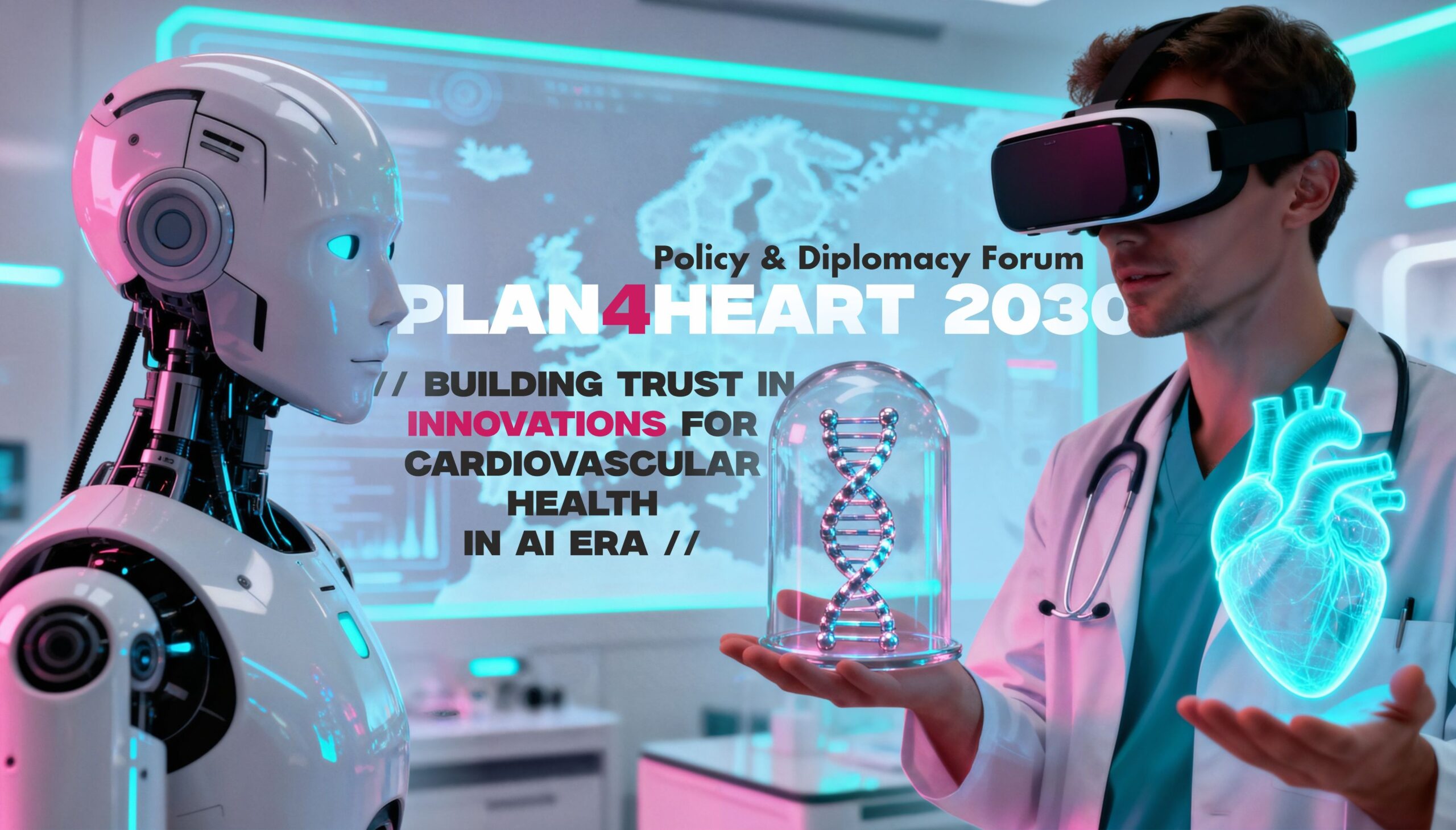
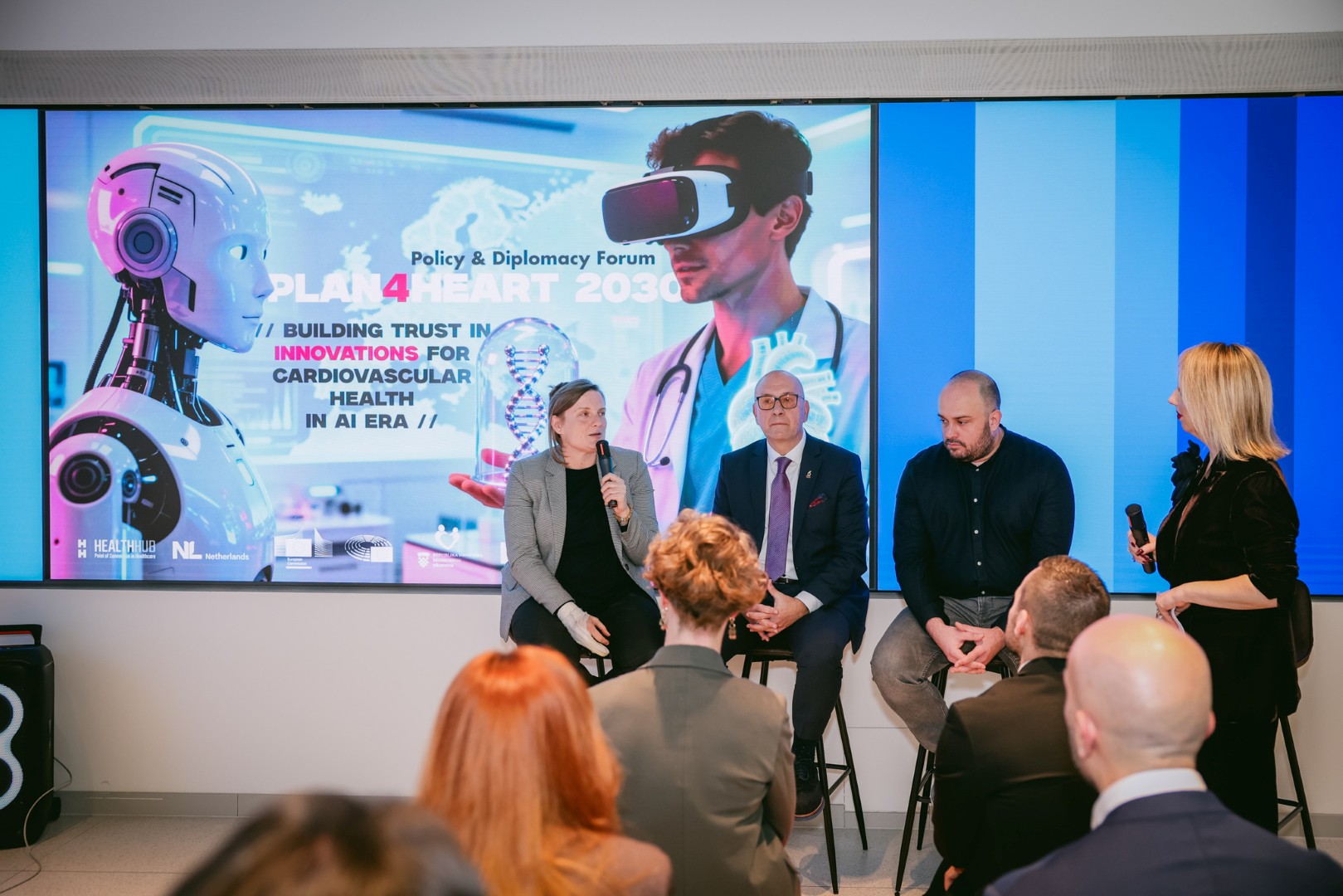
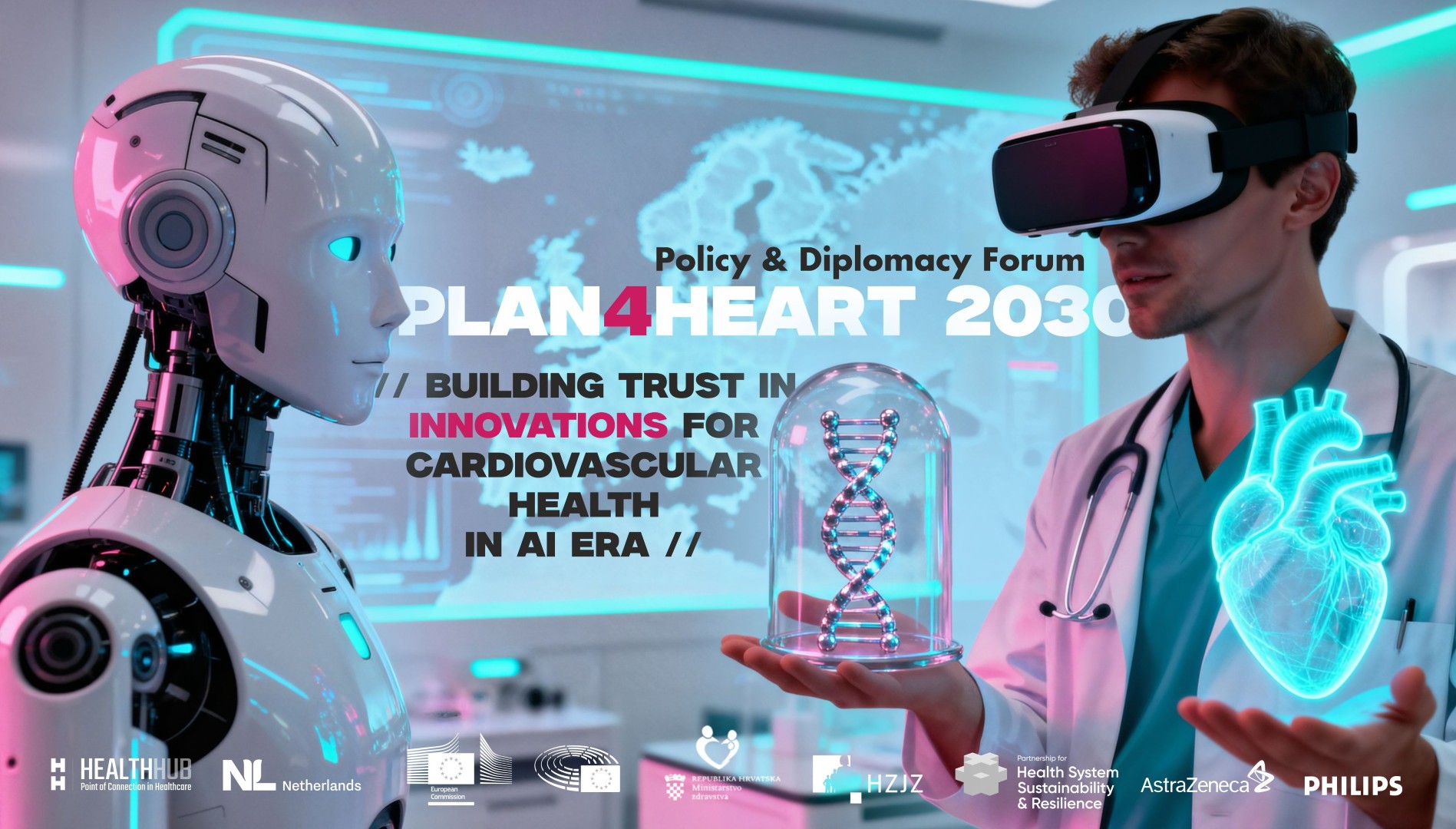
PLAN4HEART // INNOVATIONS FOR A HEALTHY HEART – AT REACH; Policy & Diplomacy Forum on the Future of Cardiovascular Health in collaboration with the Embassy of the Kingdom of the Netherlands and Health Hub
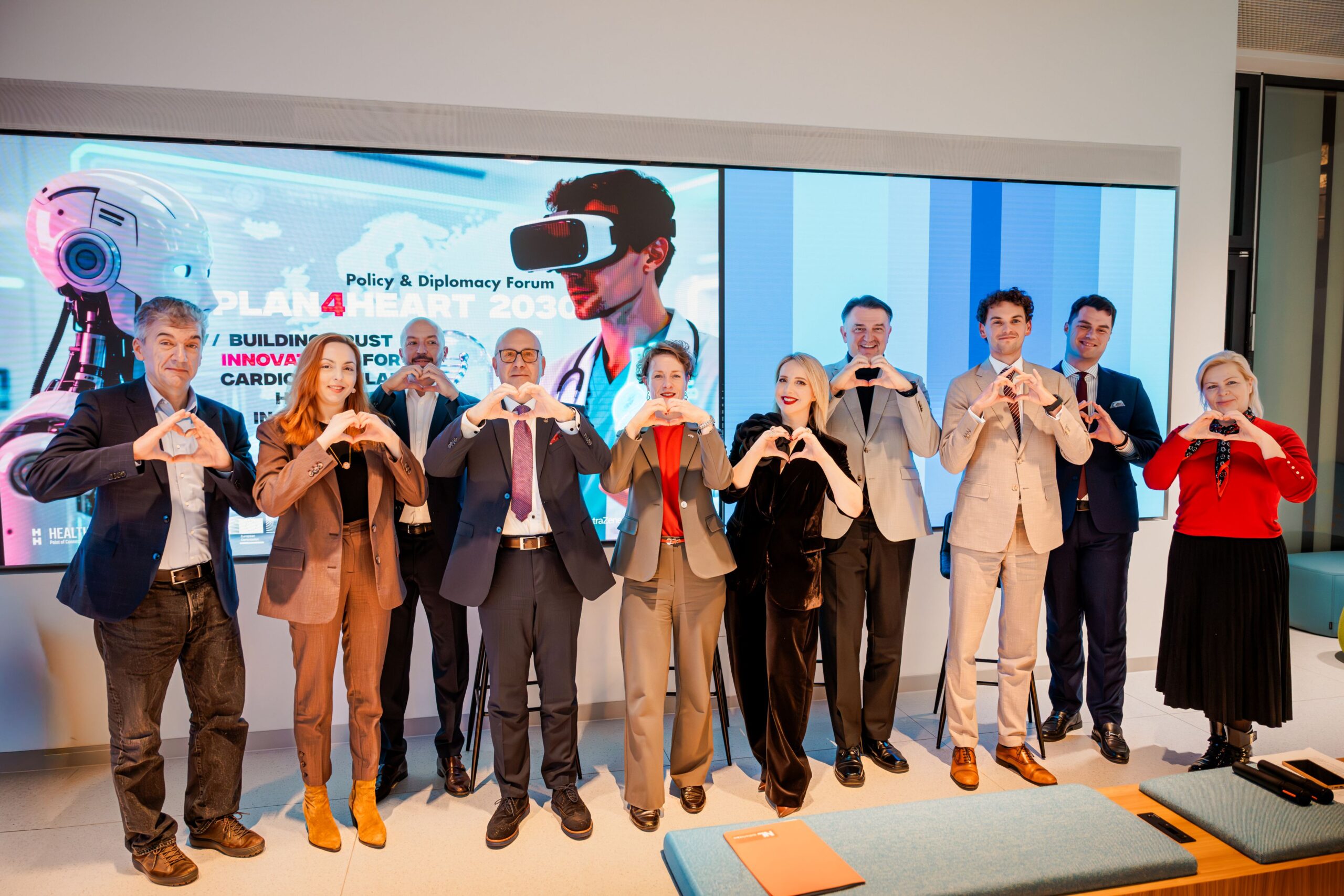
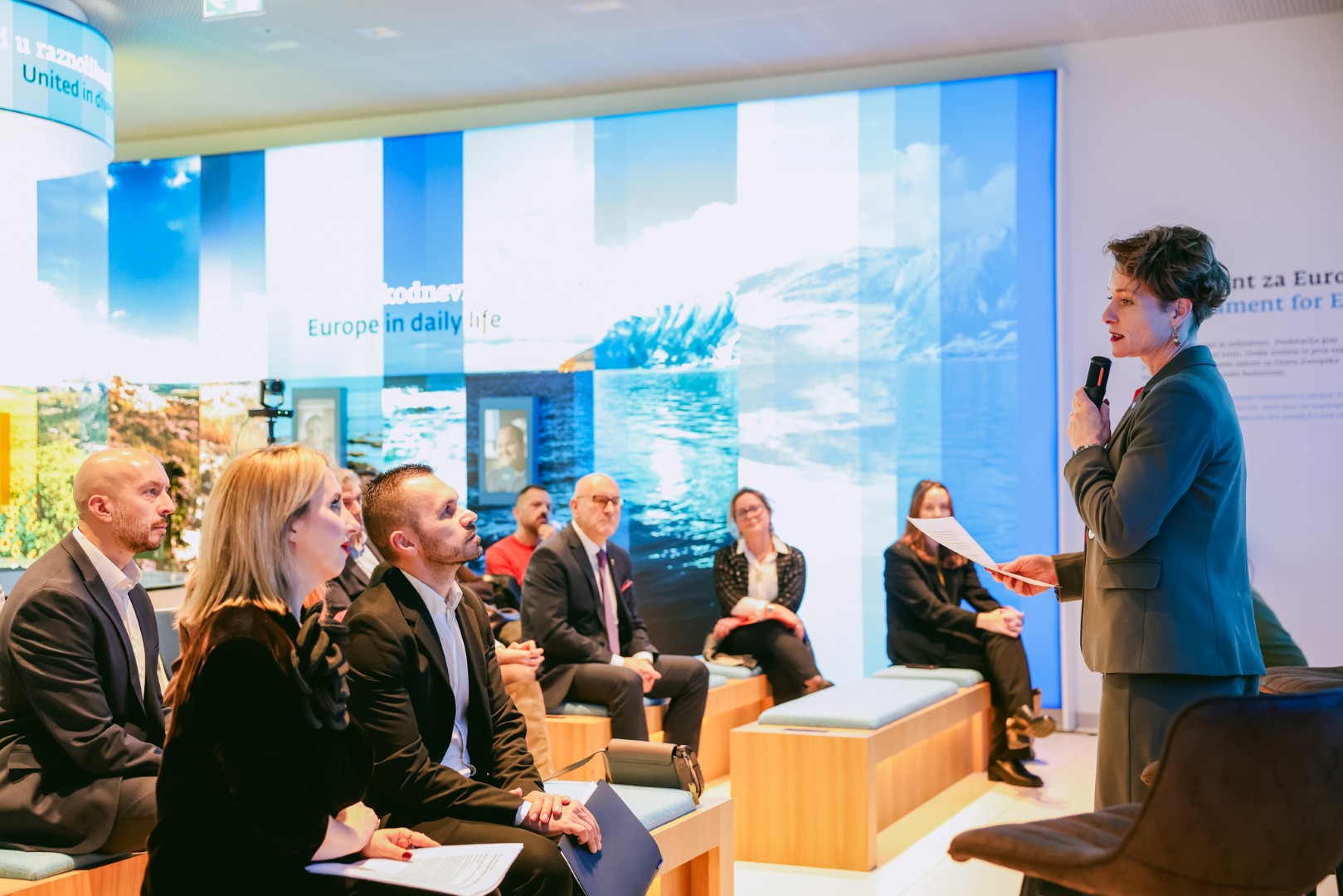
Diplomacy to create networks for healthier societies
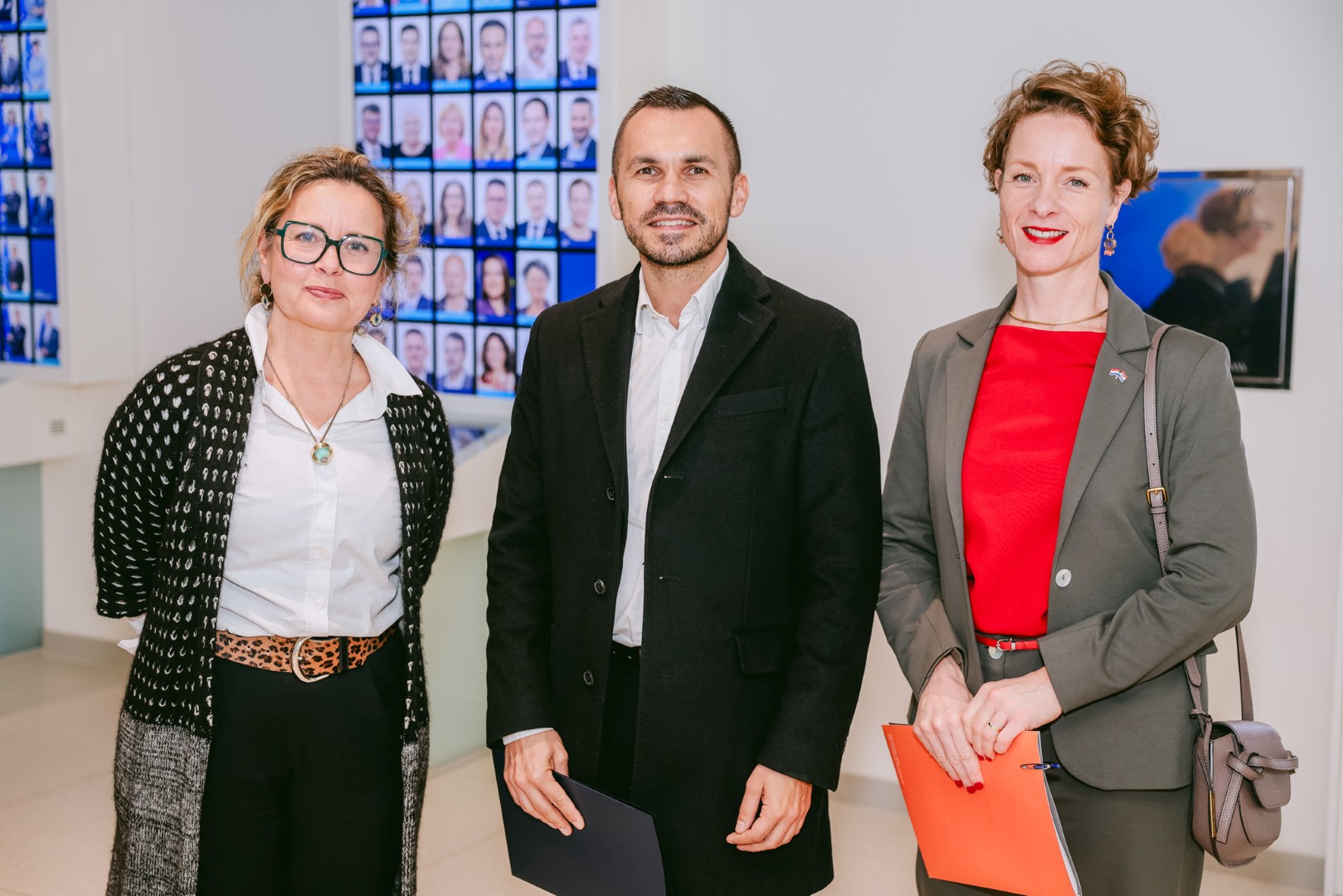
The forum was opened by the Ambassador of the Kingdom of the Netherlands, H.E. Charlotte van Baak, emphasizing that international dialogue and cooperation are becoming key elements of future health policies: “The economic burden of cardiovascular diseases is enormous, but the human burden is greater. We have a responsibility to use innovation wisely, ethically and inclusively. If this happens, artificial intelligence will not only transform cardiology, but also the way we build healthier societies. The Netherlands stands ready to work with partners in the region and beyond to ensure that the digital revolution in heart health serves the public good.”
The Ambassador of Switzerland, H.E. Beatrice Schaer, also attended the forum.
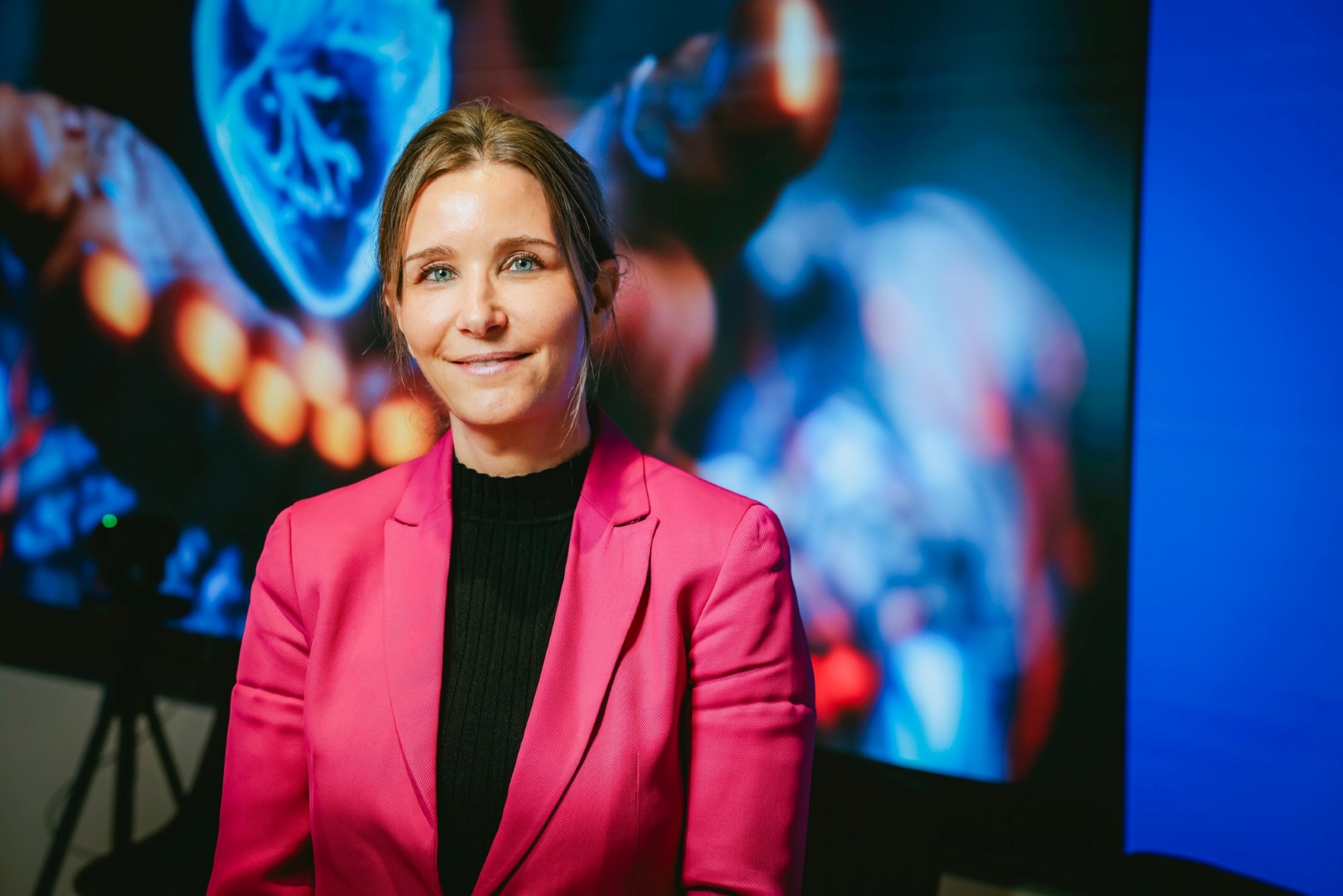
On behalf of the Ministry of Health, the participants were addressed by Academician Davor Miličić, President of the Croatian Cardiological Society and Coordinator of the Croatian National Plan for Cardiovascular Health, and Assoc. Prof. Dr. Sc. Damir Važanić, Head of the Primary Health Care Sector, highlighting the importance of Croatian (public) health initiatives for heart health, such as the introduction of telecardiology (TELECORDIS), national health examinations, national screening for familial hypercholesterolemia – one of the most advanced in Europe, long-standing education on resuscitation, national campaigns “Hunting the Silent Killer”, “70/26” and “Do you know your number?”, etc. These initiatives prove that Croatia has the knowledge and practices that can serve as an example to other member states.


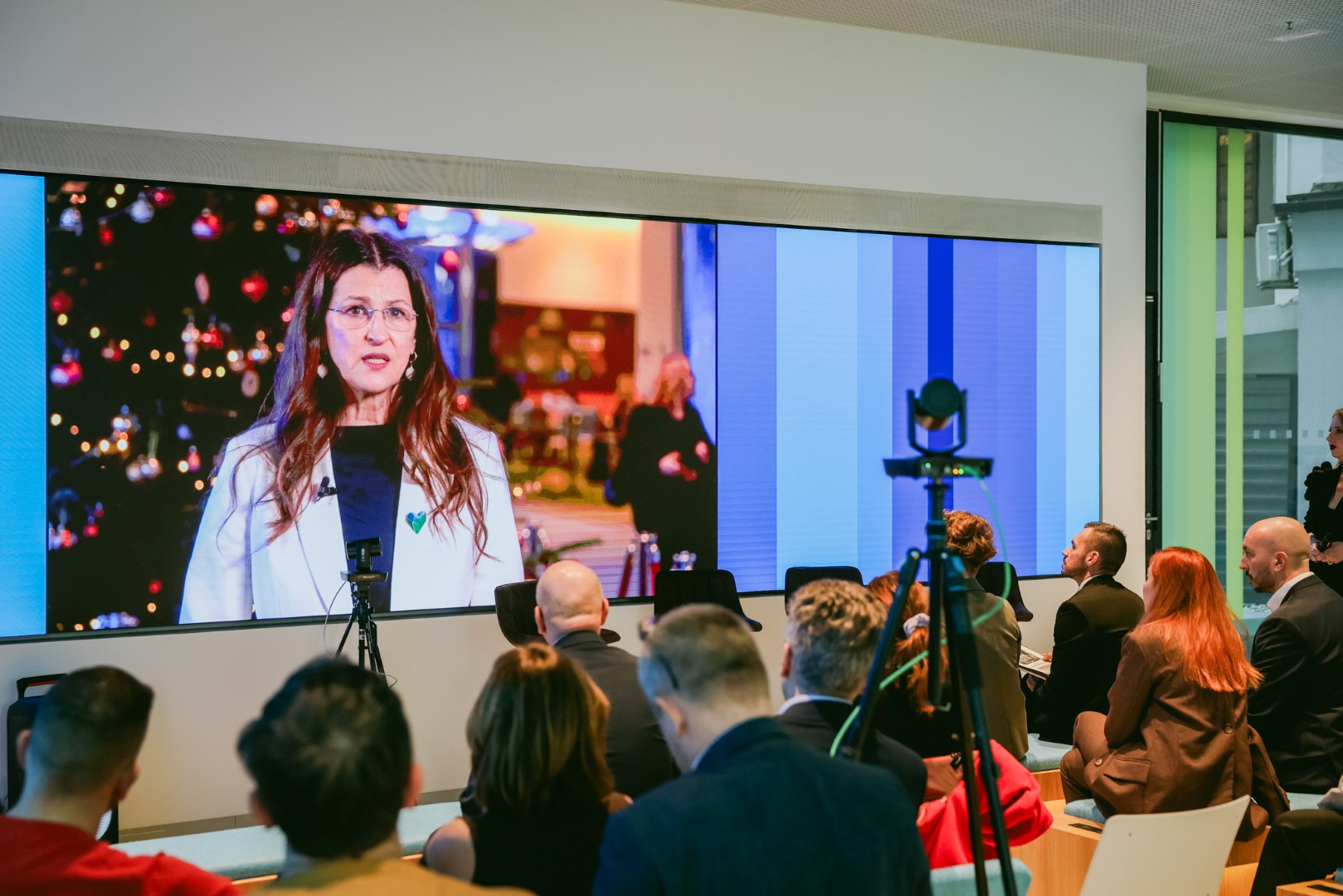
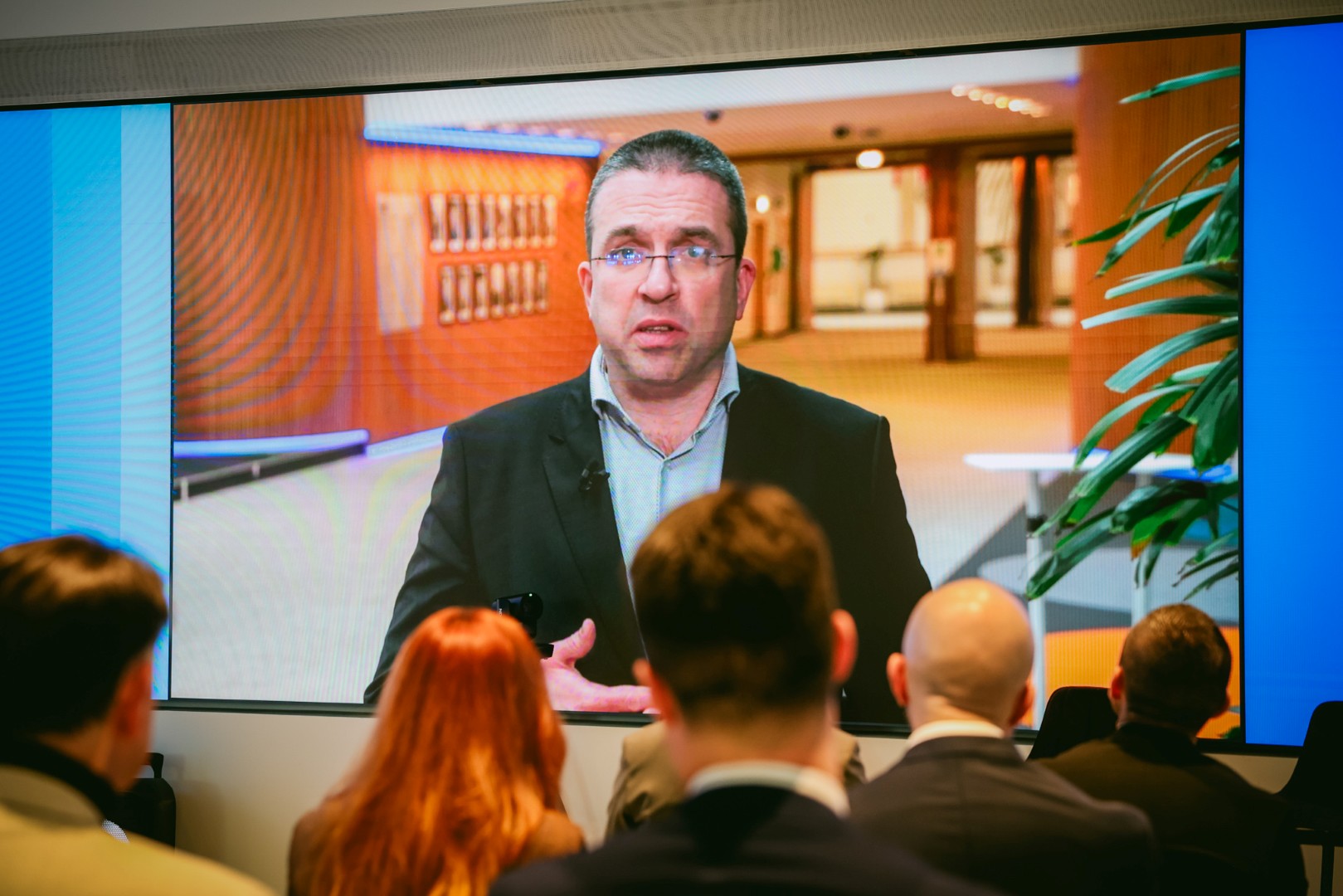
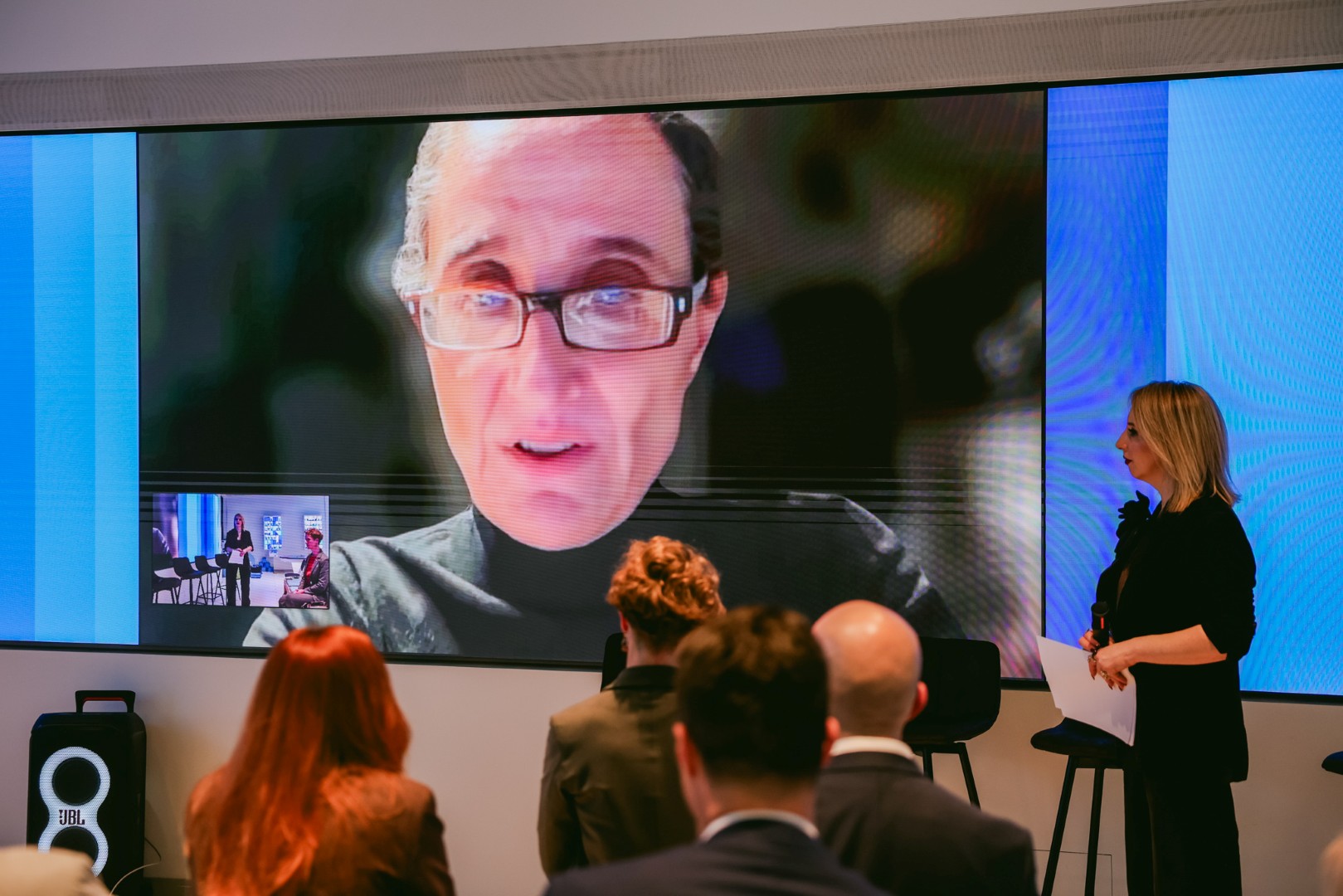
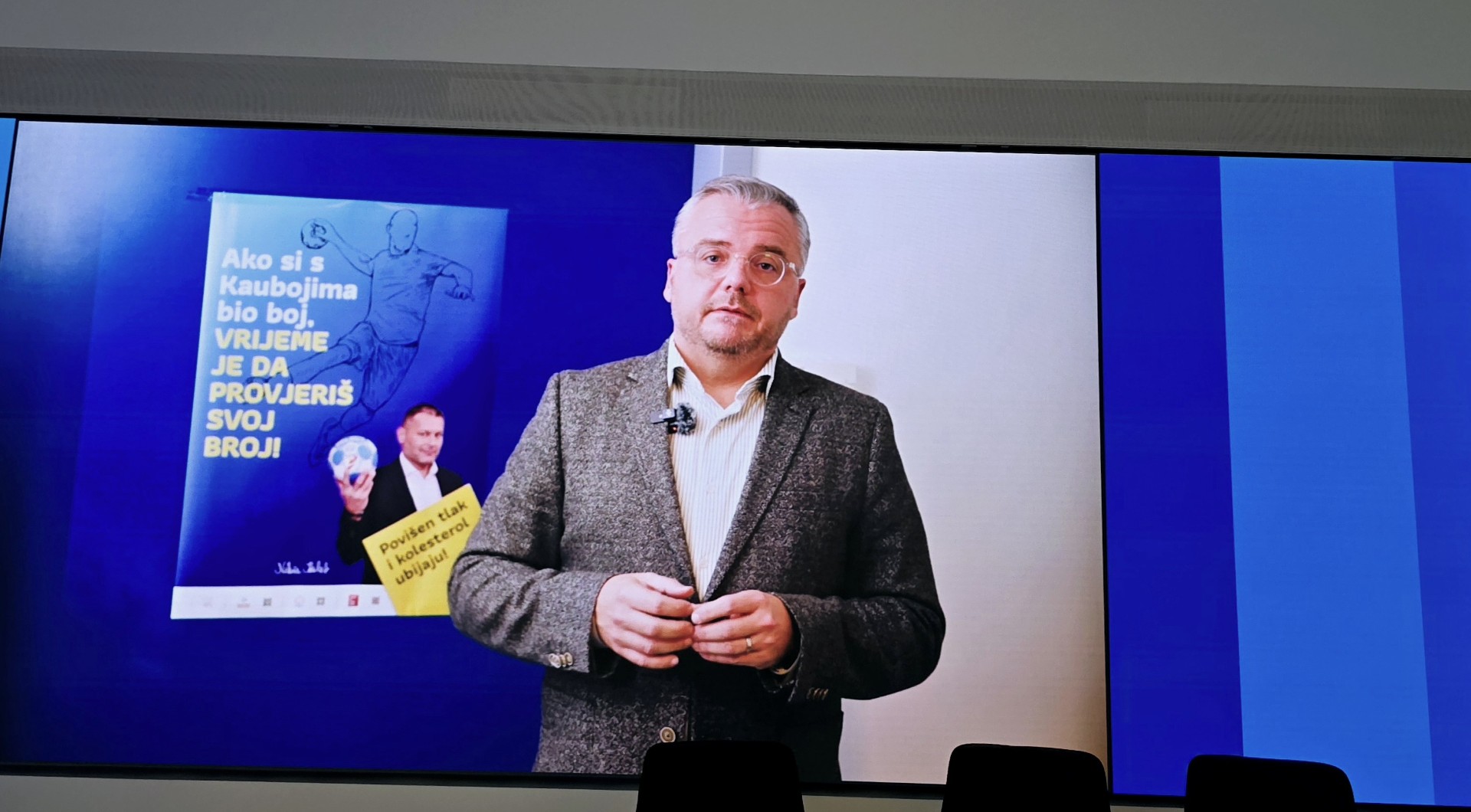
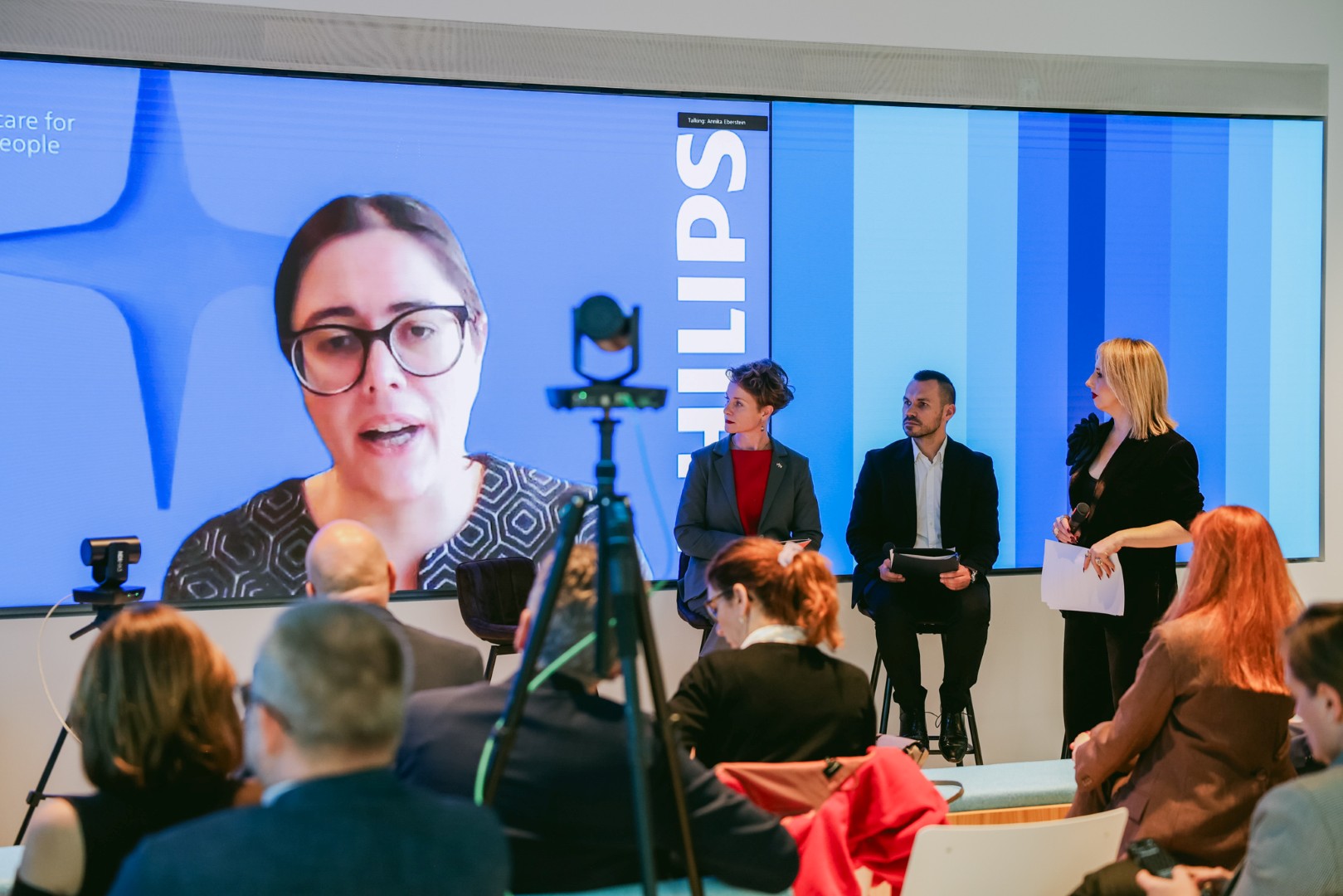
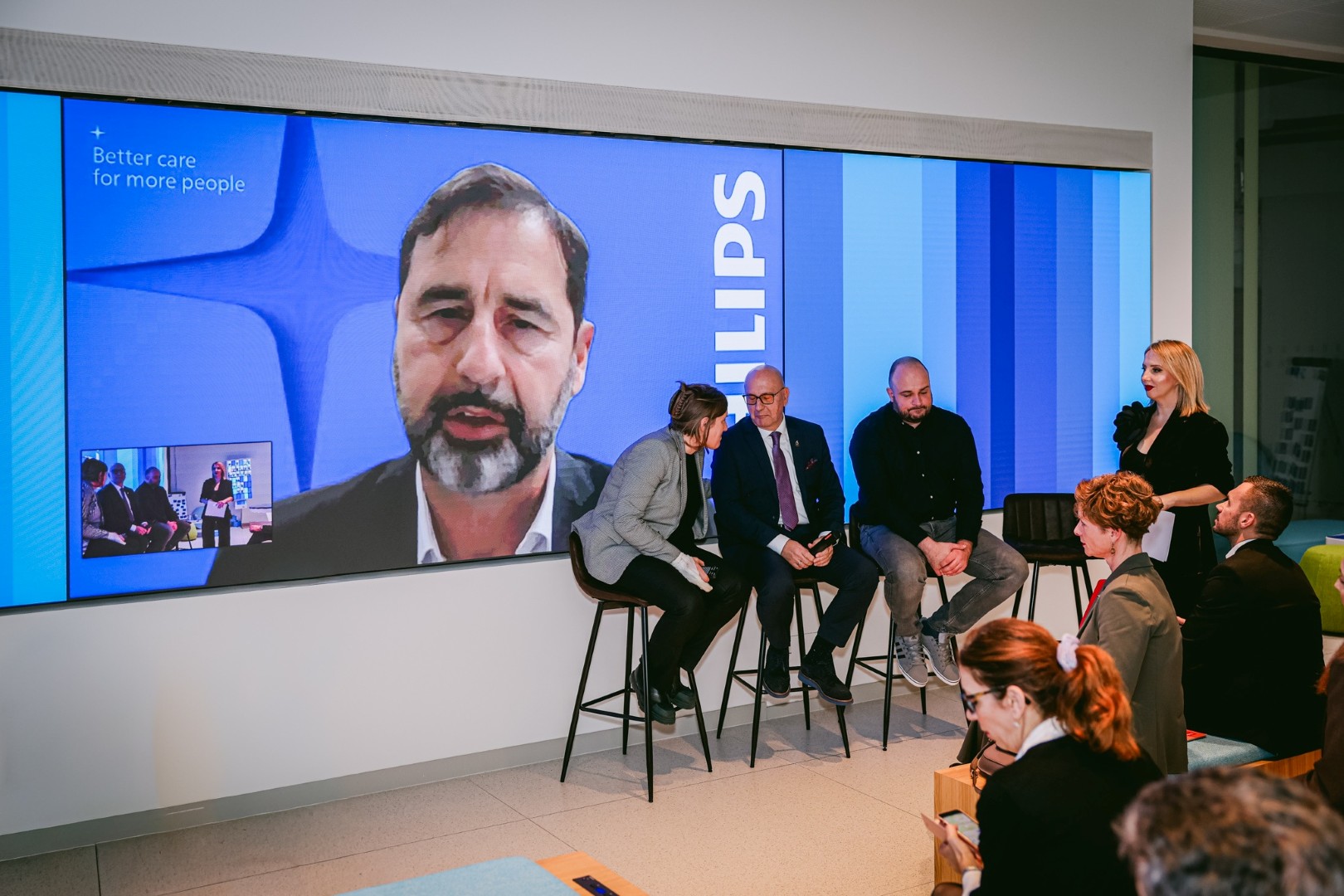
The first panel, dedicated to health diplomacy and European policies, brought together the Ambassador of the Kingdom of the Netherlands H.E. Charlotte van Baak, Academician Davor Miličić (Croatian Cardiovascular Society) and Assoc. Prof. Dr. Sc. Damir Važanić (Ministry of Health), with the online participation of Annika Eberstein (Partnership for Health System Sustainability and Resilience & Philips), and video messages from MEP Prof. Dr. Sc. Romana Jerković Kraljić (EP Rapporteur for the upcoming Plan and Chair of the MEP Cardiovascular Health Group) and MEP Assoc. Prof. Dr. Sc. Tomislav Sokol (EHDS Rapporteur), who jointly stressed the importance of coordinated European policies, accessible innovations and stronger international cooperation in the field of cardiovascular health.
They highlighted that the new EU Plan for Cardiovascular Health brings a “European framework” that will enable member states to strengthen prevention, digital connectivity and reduce inequalities between countries, regions and patients.
Innovations in diagnostics, medtech and artificial intelligence
The second panel brought together leading experts in medical technology and diagnostics, among whom were prof. prim. Ph.D. Goran Krstačić (Heart Clinic), prof. Ph.D. Milan Petković (Philips & Eindhoven University, online) and prof. Paul Dendale (European Association of Preventive Cardiology, video), who presented advances in digital diagnostics, artificial intelligence, telecardiology and innovative tools for the early detection of cardiovascular diseases.
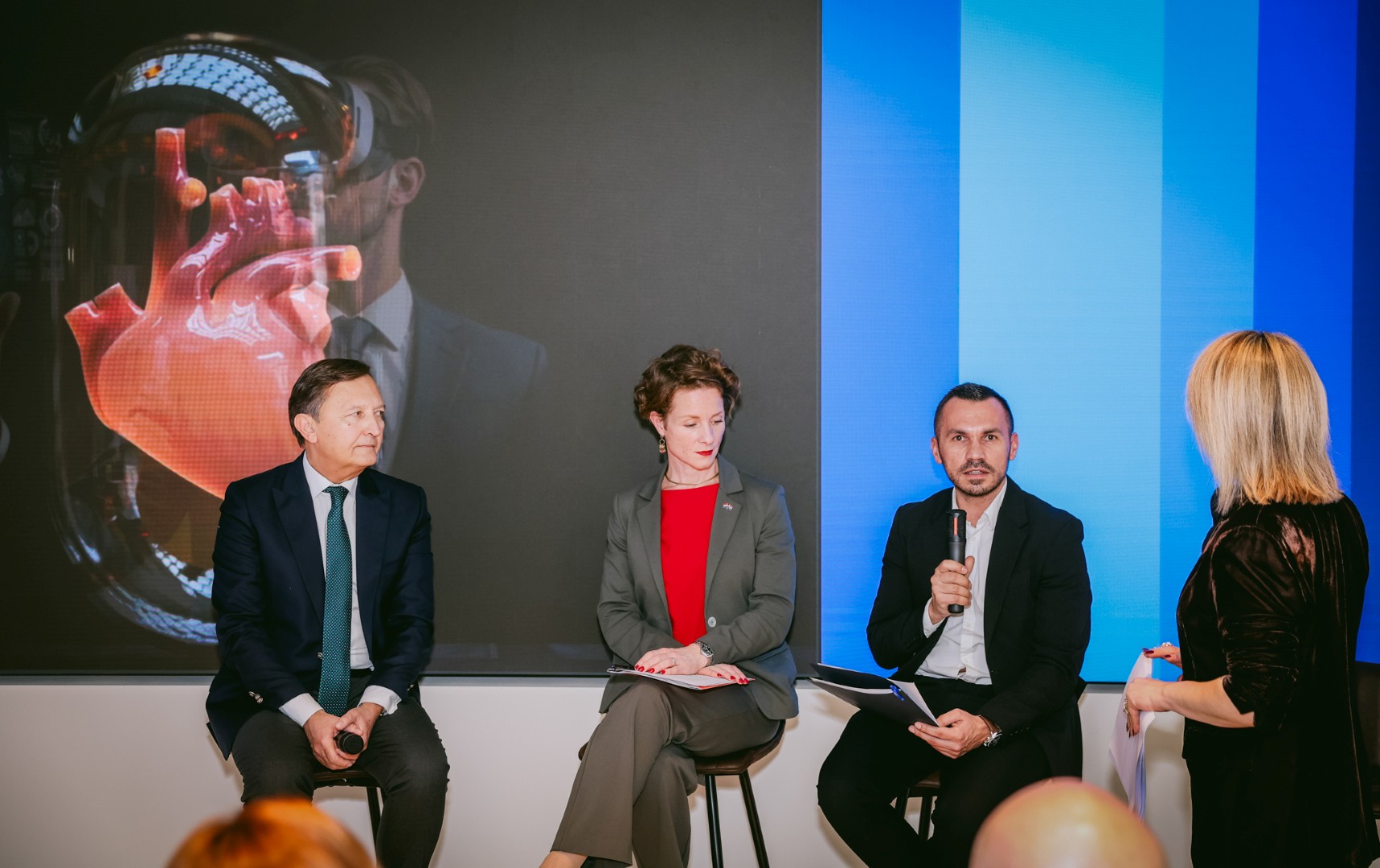

Philips’ scientific and public policy team also contributed to the high-level panels: “We highlighted how breakthrough innovations, data-driven insights and interoperable technologies can strengthen early detection, diagnostics and connected cardiovascular care. As a leading health technology company, Philips is committed to enabling more accurate, efficient and sustainable care delivery across the continuum. We highlighted that strong public-private collaboration is key to accelerating progress and ensuring equitable access. Together with partners in government and healthcare, Philips will continue its dedicated contribution to building resilient, future-proof cardiovascular health systems for all citizens,” emphasized MSc Miroslav Šaban and Jesse Schipperijn from Philips Government and Public Affairs.
Transfer of care, task-shifting and integrated treatment models
The third panel focused on the role of primary health care, pharmacies and multidisciplinary teams. It brought together experts in primary and hospital health care and integrated treatment models, including academician Bojan Jelaković (President of the Croatian Hypertension League), Dr. Ino Protrka (family medicine), mag. pharm. Ana Soldo (President of the Croatian Chamber of Pharmacists), with a video contribution from prof. dr. sc. Ivan Pećin (Croatian Atherosclerosis Society) and prof. dr. sc. Francesca Giorgino (Vice President, European Diabetes Forum), who highlighted the importance of task-shifting, early risk detection and a multidisciplinary approach in the care of cardiovascular patients, along with creative public health campaigns that go “between people”.

Experts pointed out that earlier identification of at-risk patients most often begins in family medicine offices, pharmacists and nurses can play a greater role in task-shifting, digital tools and registries enable better coordination of care throughout treatment, and modern laboratory diagnostics at the family medicine physician level can identify patients at risk of chronic kidney disease or heart failure.
Access to innovation and equal opportunities for all patients
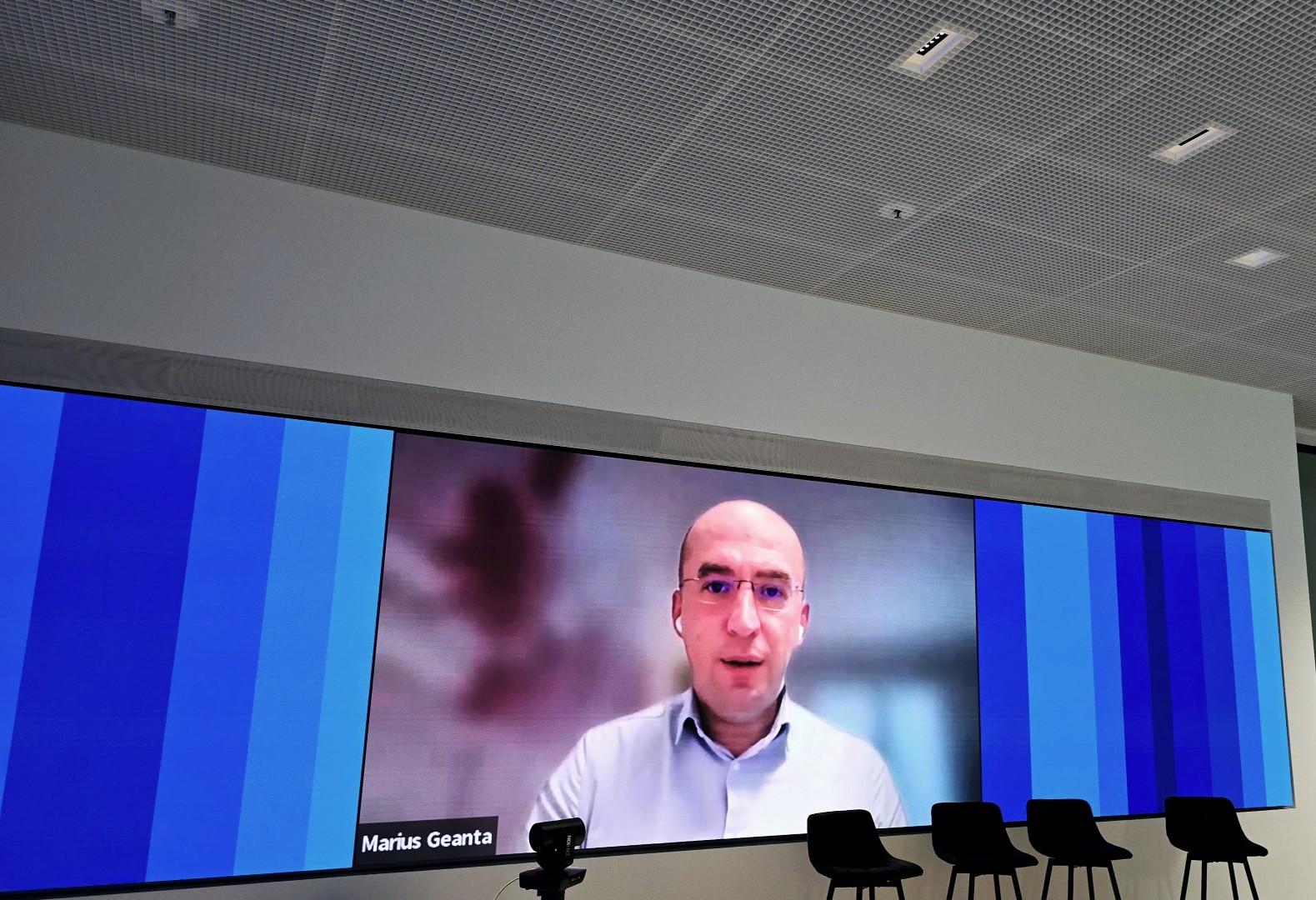
The final panel addressed the question: “How to ensure that innovations really reach every citizen?” It brought together leading experts on access to innovation and health equality, among whom were Miroslav Šaban (Philips CEE), Lovro Bojanić (AstraZeneca), prof. Ph.D. Branko Malojčić (President of the World Association for Neurosonology, KBC Zagreb), with the online participation of Dr. Valerie Luyckx (Co-Chair of the European Kidney Health Alliance) and a video message from Marius Geanta (Center for Innovation in Medicine) and Magdalena Daccord (FH Europe), who jointly emphasized the importance of the availability of new therapies, diagnostics and digital solutions to all patients regardless of region.
It was especially emphasized that the extension of life span due to the prevention of cardiovascular complications opens up the need for new approaches to preserving brain health, and that integrated cardiovascular care must also include neurology, because heart health and brain health form an inseparable whole.
Participants discussed models for financing and incentivizing innovation, the availability of new therapies and devices, the importance of real-world evidence and EHDS, addressing inequalities between urban and rural areas, and creating a holistic ecosystem in which prevention, diagnostics, treatment, and rehabilitation are interconnected.

Lovro Bojanić, Governmental Affairs and Market Access Lead at AstraZeneca, concluded: “Innovation drives progress in every area of cardiovascular disease treatment. However, when it comes to access to innovative medicines, our region still lags behind Western Europe. To bridge this gap, we need a transparent and collaborative dialogue between all healthcare stakeholders. By consistently measuring outcomes and demonstrating real value, we can enable faster patient access to the treatments that matter most.” In the same spirit, the President of the European Kidney Health Alliance, Valerie Luyckx, sent a message about the need for access to therapeutic innovations that delay complications of chronic kidney disease and have a cardioprotective effect, but have not yet fully reached their potential for patients, healthcare and society.
The conclusion of the panel was clear: there can be no modern healthcare without equal access to innovations and modern solutions.

Conclusion — A Europe of healthy hearts!
The forum concluded with a strong message that such dialogues should not be isolated, but the foundation for future cooperation. Innovations are here — within reach — but only through joint work by all stakeholders can they become a real benefit for every patient.
The organizers thanked the European institutions Parliament and Commission, MEP Jerković Kraljić, MEP Sokol, the Ministry of Health, the City of Zagreb, the City Office for Social Protection, Health, Veterans and Persons with Disabilities, the Croatian Cardiological Society, the Croatian League for Hypertension, The Partnership for Health System Sustainability and Resilience, the European Kidney Health Alliance, Philips, AstraZeneca, speakers, clinicians, patients and industry partners for their contribution and support.
The conclusion was:
“We too have a dream — a dream of a Europe in which every heart is protected, innovations are accessible to all, and the cardiovascular future is shaped by hope and unforgettable life moments, not by disease.”
PHOTOGALLERY //
https://www.facebook.com/media/set/?vanity=HealthHub.HR&set=a.883766727360648