
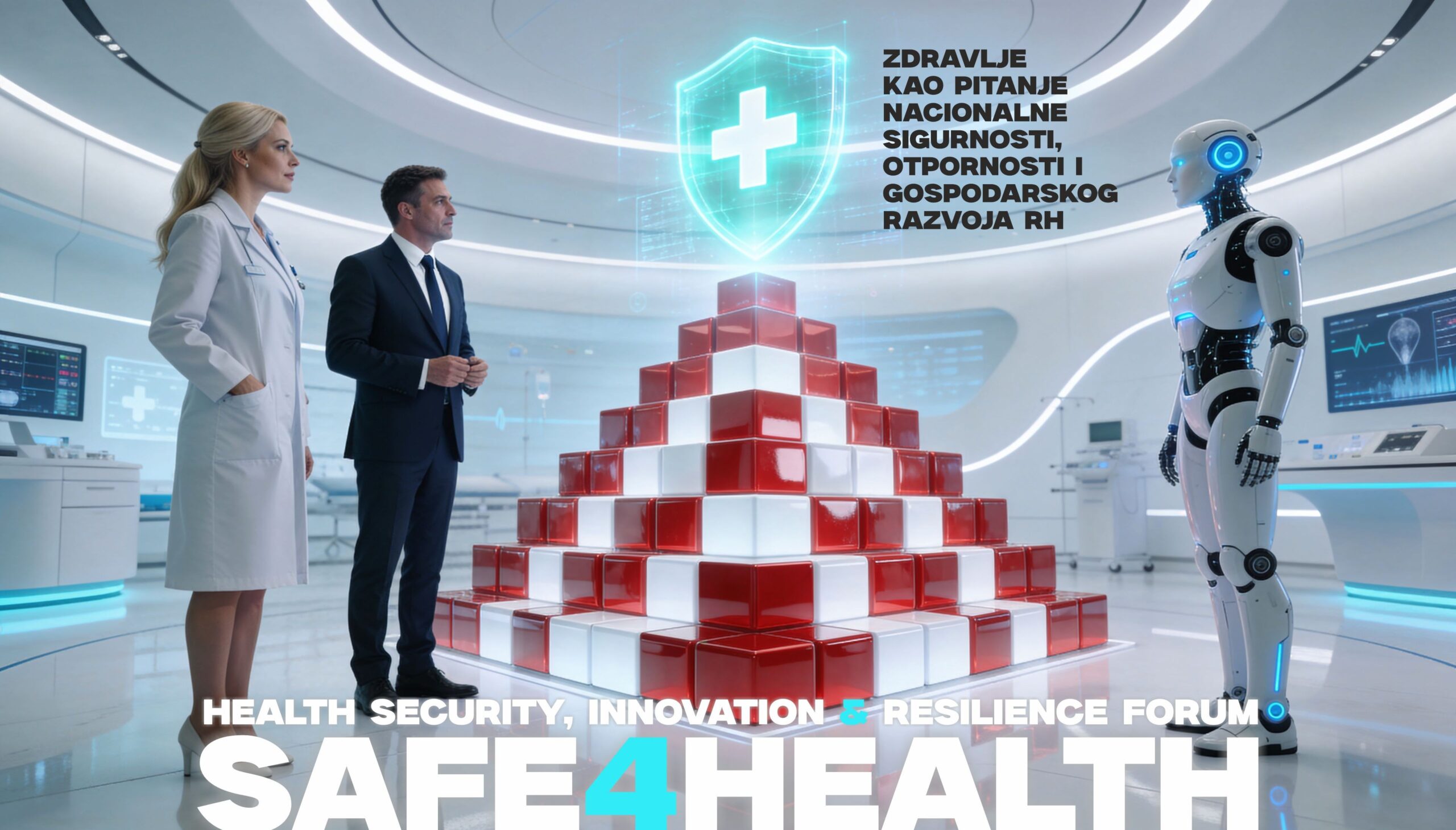
SAFE4HEALTH Forum (Osijek, Croatia): Health Security Becomes a Matter of National Resilience, Technology and Economic Development
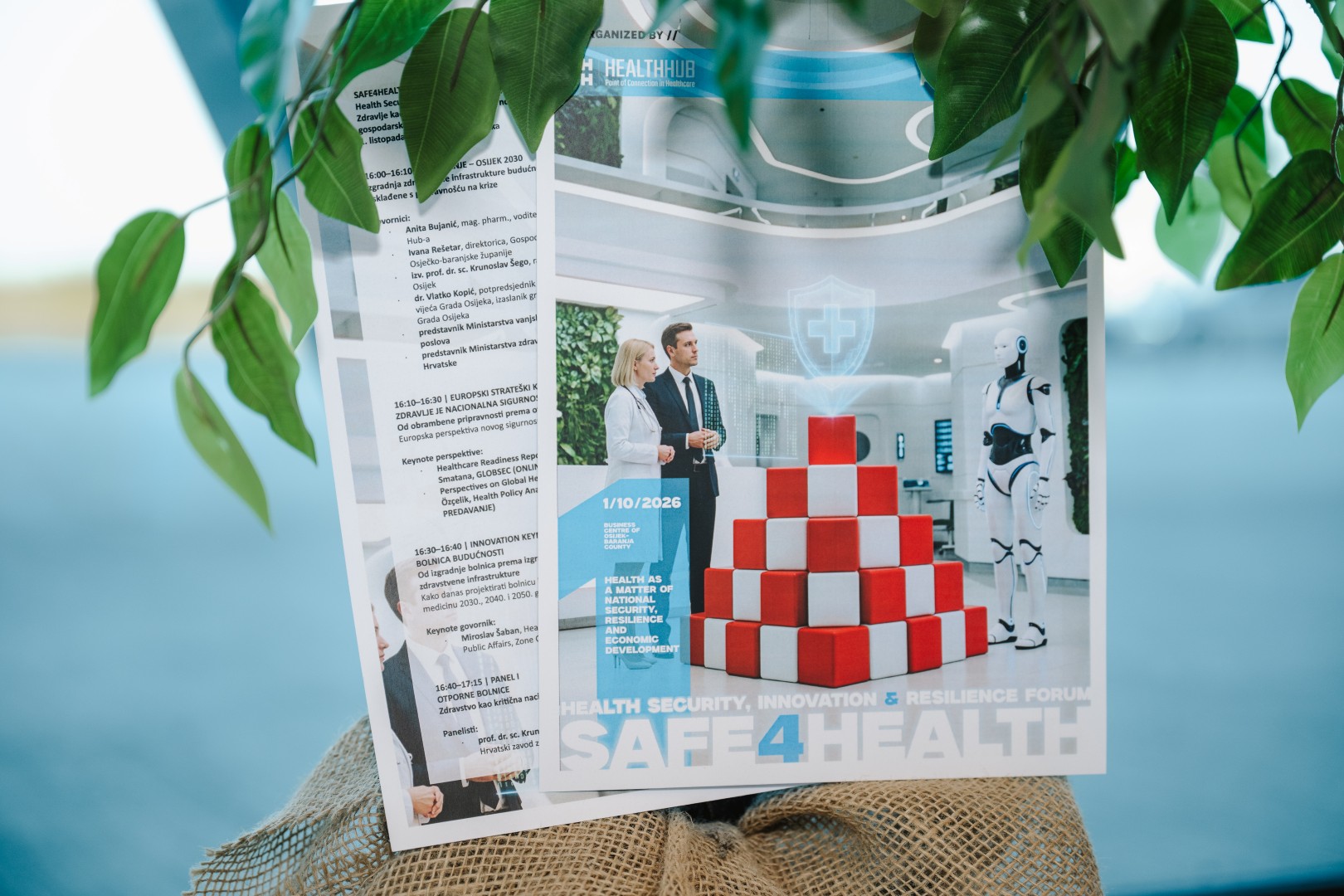
Osijek as a Hub for Dialogue on the Healthcare Infrastructure of the Future
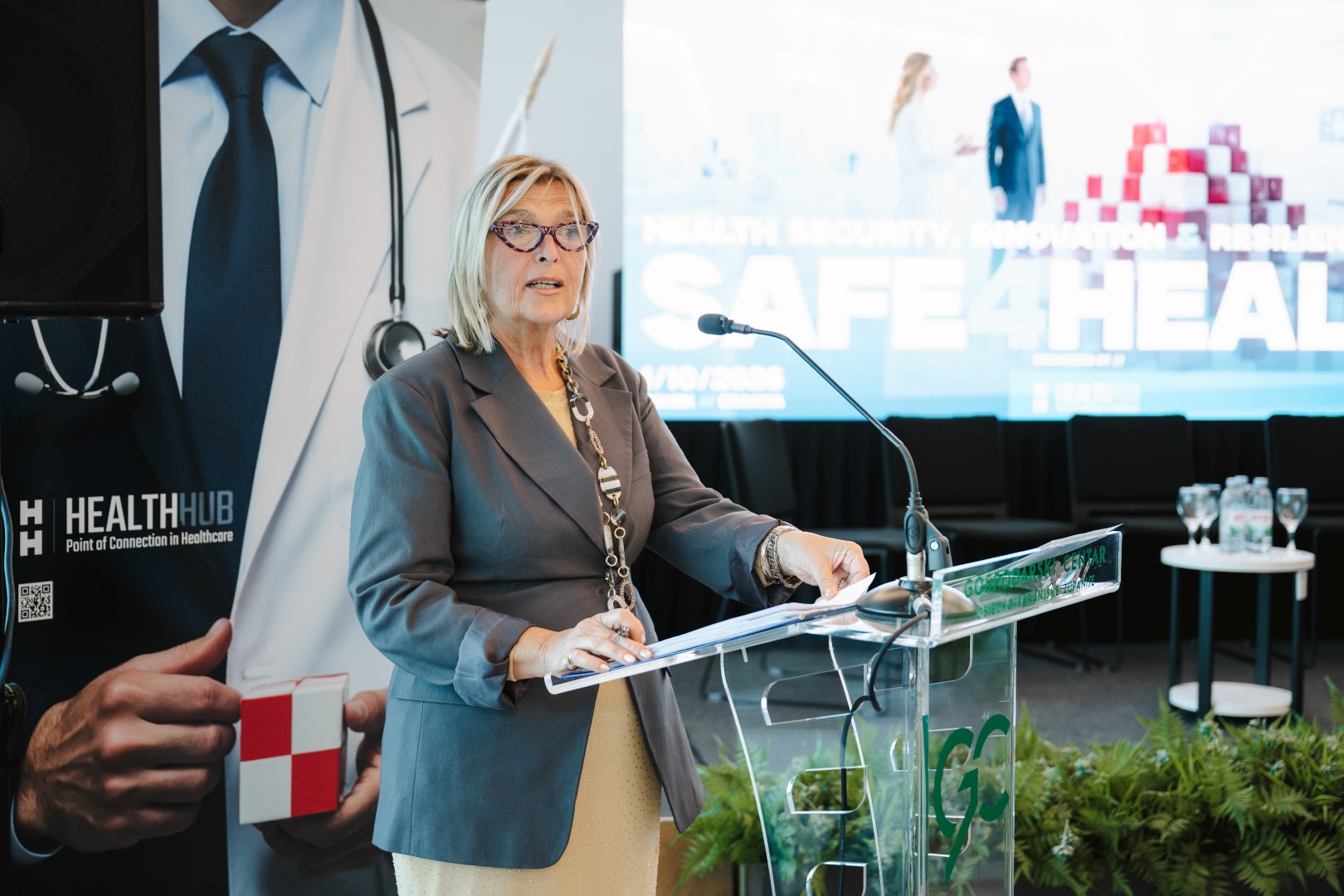
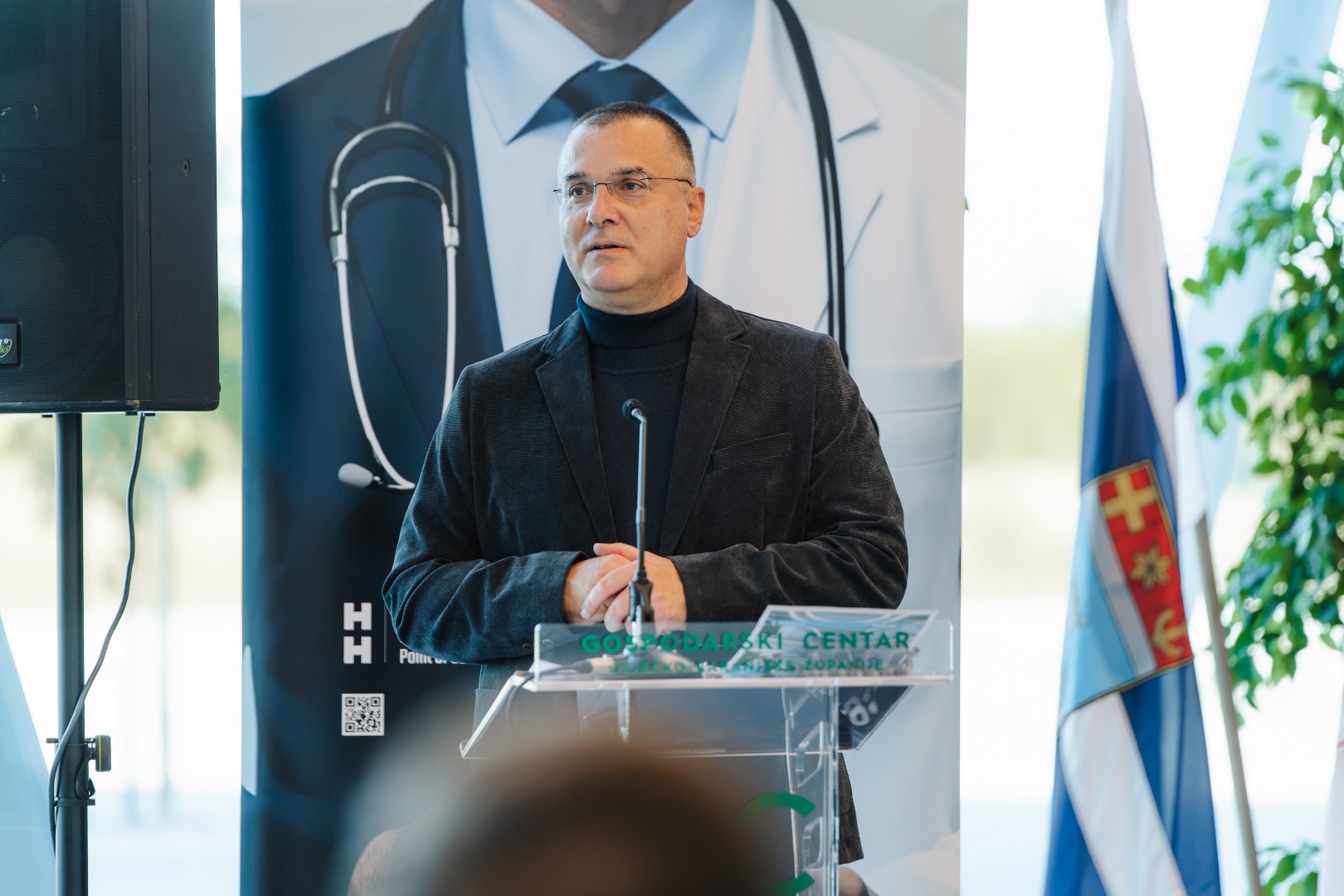
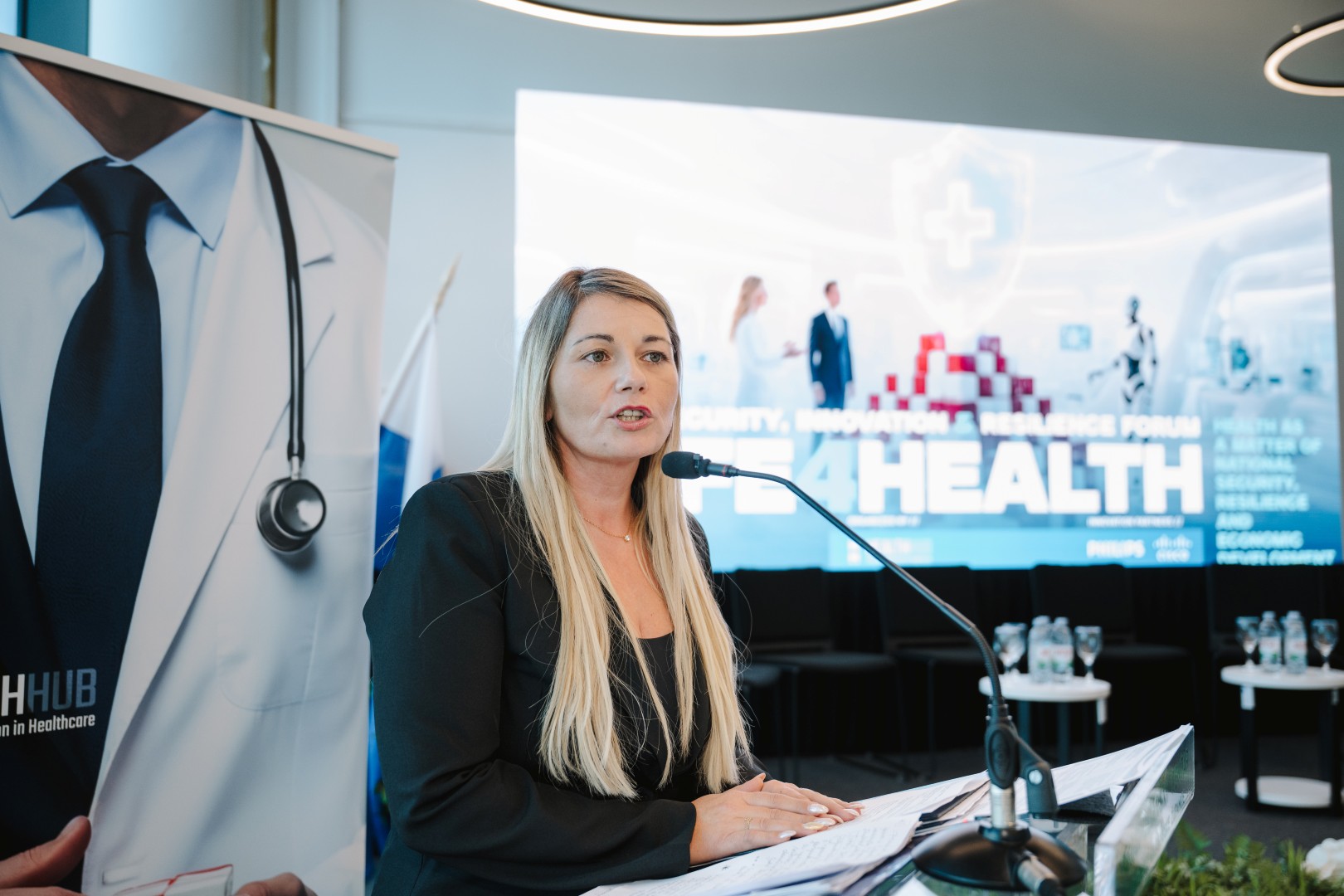
The Forum was opened by Anita Bujanić, MPharm, Head of Health Hub and initiator of SAFE4HEALTH, who highlighted the need to strengthen the links between healthcare, security, technology, the economy and resilience. Opening remarks were also delivered by Ivana Rešetar, Director of the Osijek-Baranja County Economic Centre; Assoc. Prof. Krunoslav Šego, MD, PhD, Director of University Hospital Centre Osijek; and Vlatko Kopić, MD, Vice-President of the Osijek City Council and representative of the Mayor of Osijek.
Particular attention was given to the opportunity presented by major investments in healthcare infrastructure: hospitals being planned and built today should not be designed solely around current needs, but with the medicine, technologies and risks of the coming decades in mind. In this context, Osijek provided a natural starting point for a broader discussion on the decentralisation of healthcare excellence, regional resilience, and the role of healthcare infrastructure in strengthening local innovation and economic ecosystems.
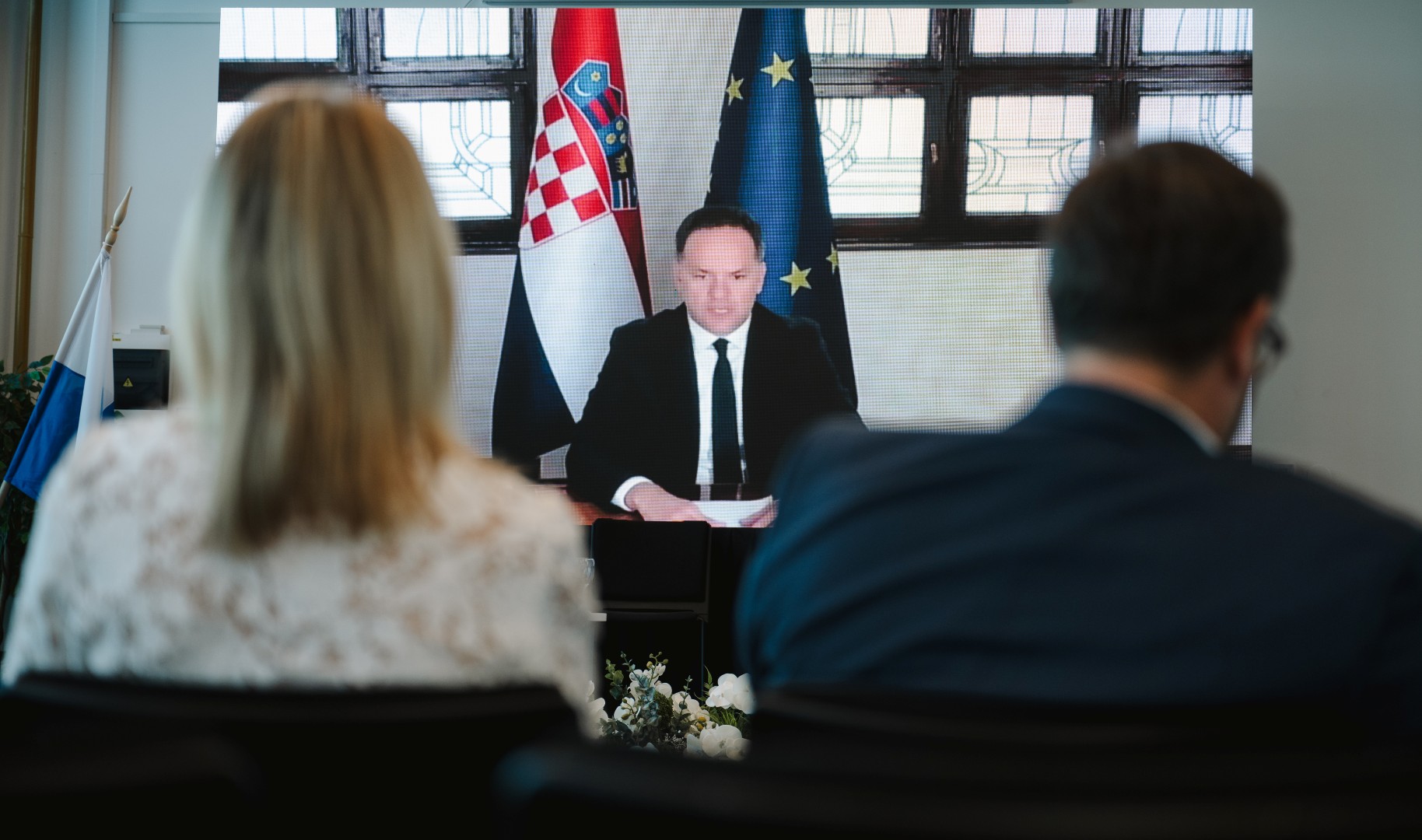
The Forum was also addressed via video message by Zdenko Lucić, State Secretary at the Ministry of Foreign and European Affairs and Deputy Chief Negotiator for Croatia’s accession to the OECD, bringing an important international dimension to the discussion and highlighting the relevance of OECD policies and recommendations for building more resilient systems.
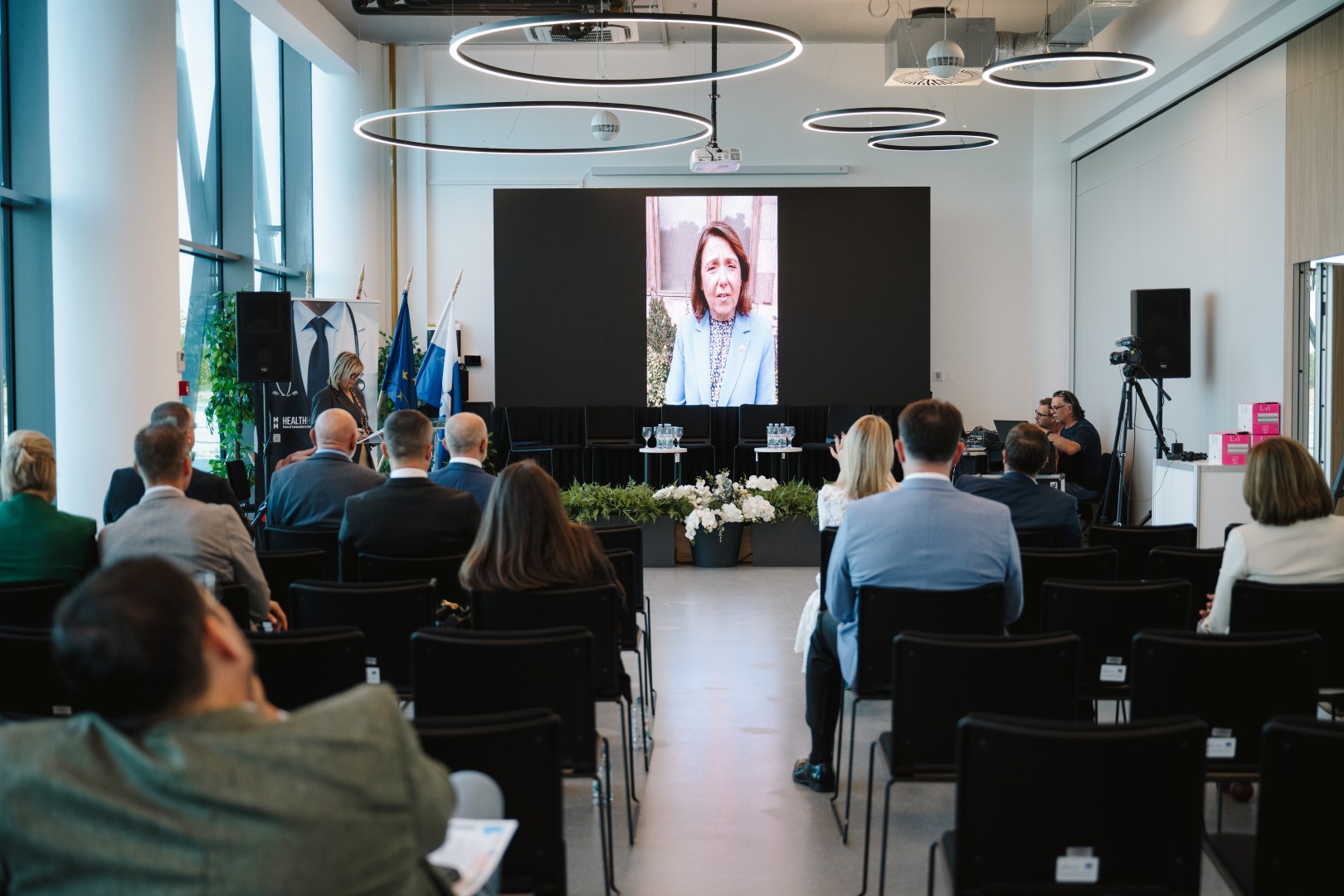
A video message was also delivered by Assoc. Prof. Irena Hrstić, MD, PhD, from the Ministry of Health, emphasising the importance of health policy in strengthening long-term planning, preparedness and the capacity of healthcare systems to respond to emerging risks.
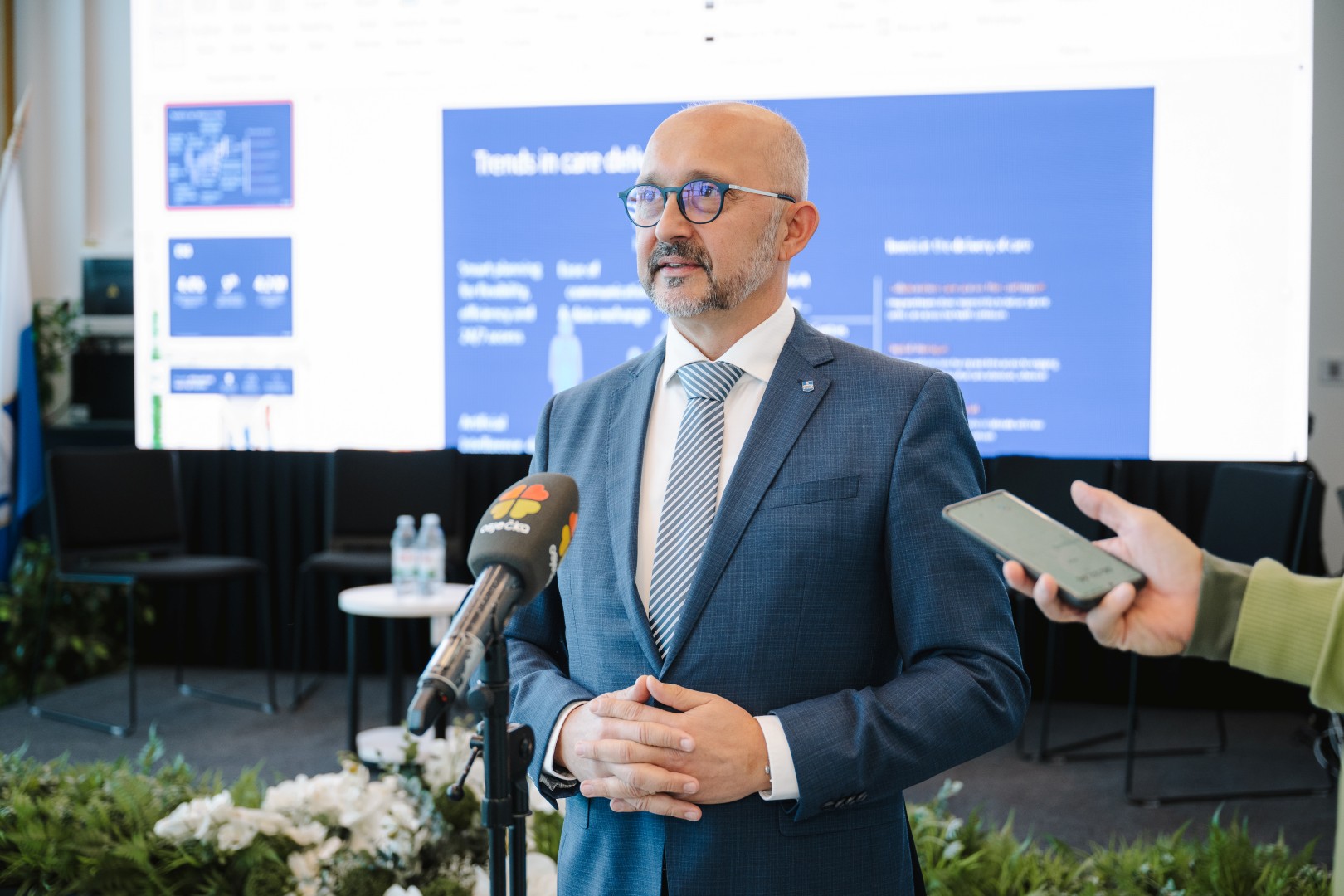
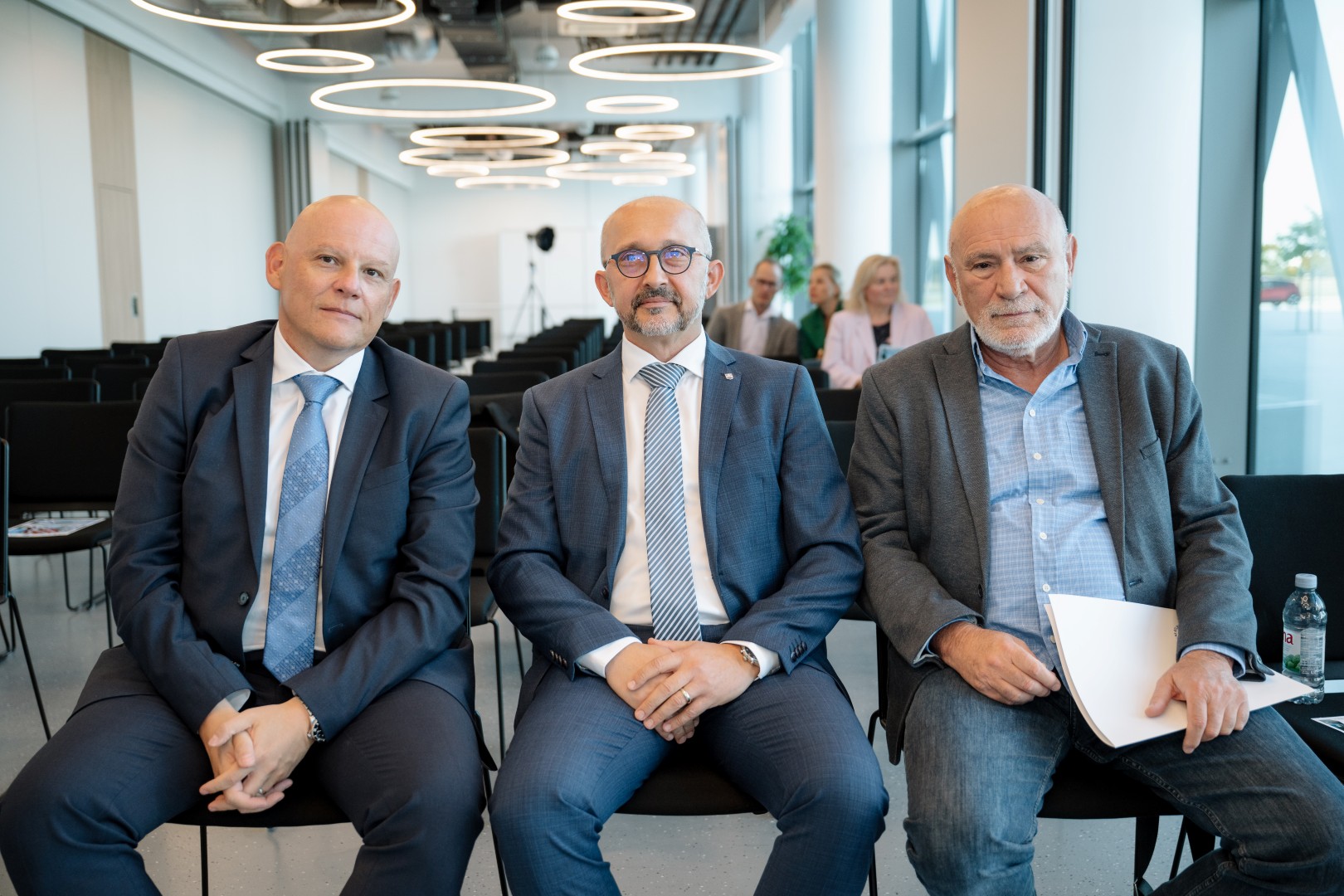
GLOBSEC and OECD: Preparedness Must Be Built Before the Next Crisis
The international strategic session of the Forum, “Health is National Security – From Defence Readiness to Societal Resilience,” brought together perspectives from GLOBSEC and the OECD.
Martin Smatana from GLOBSEC presented the Healthcare Readiness Index, raising the question of how prepared European healthcare systems are not only to meet today’s needs, but also to absorb future shocks. The discussion explored the Index’s potential to serve as a strategic tool for governments in identifying areas where further investment and reform are needed, as well as opportunities for stronger Croatian engagement in the wider European dialogue on healthcare readiness.
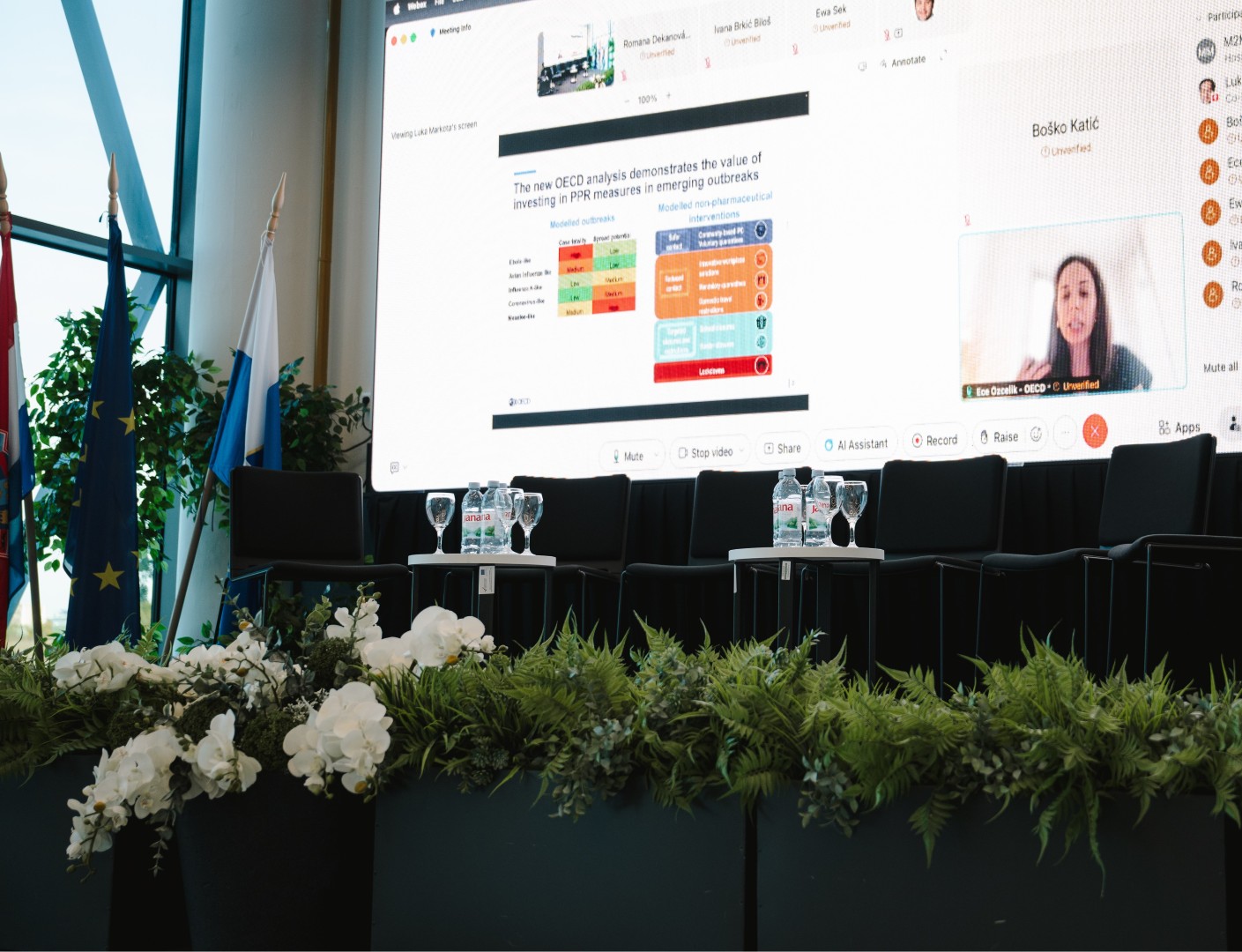
Ece Özçelik, Health Policy Analyst at the OECD, presented the economic perspective on preparedness for pandemics and other global health threats. A central focus of her presentation was how to sustain investment in preparedness as the immediate memory of a major crisis begins to fade, and how to embed resilience more systematically into health policy, financing and long-term health system planning. The OECD perspective broadened the concept of preparedness beyond pandemics to include emerging and re-emerging infectious diseases, antimicrobial resistance, chemical, nuclear and radiological events, as well as new biological risks.
One of the key messages of the international session was that resilience is not simply the capacity to respond to a single predefined scenario. Rather, it is the ability of a healthcare system to anticipate, prepare, absorb shocks, respond, recover and adapt.
The Hospital of the Future Must Be Intelligent, Connected and Adaptable
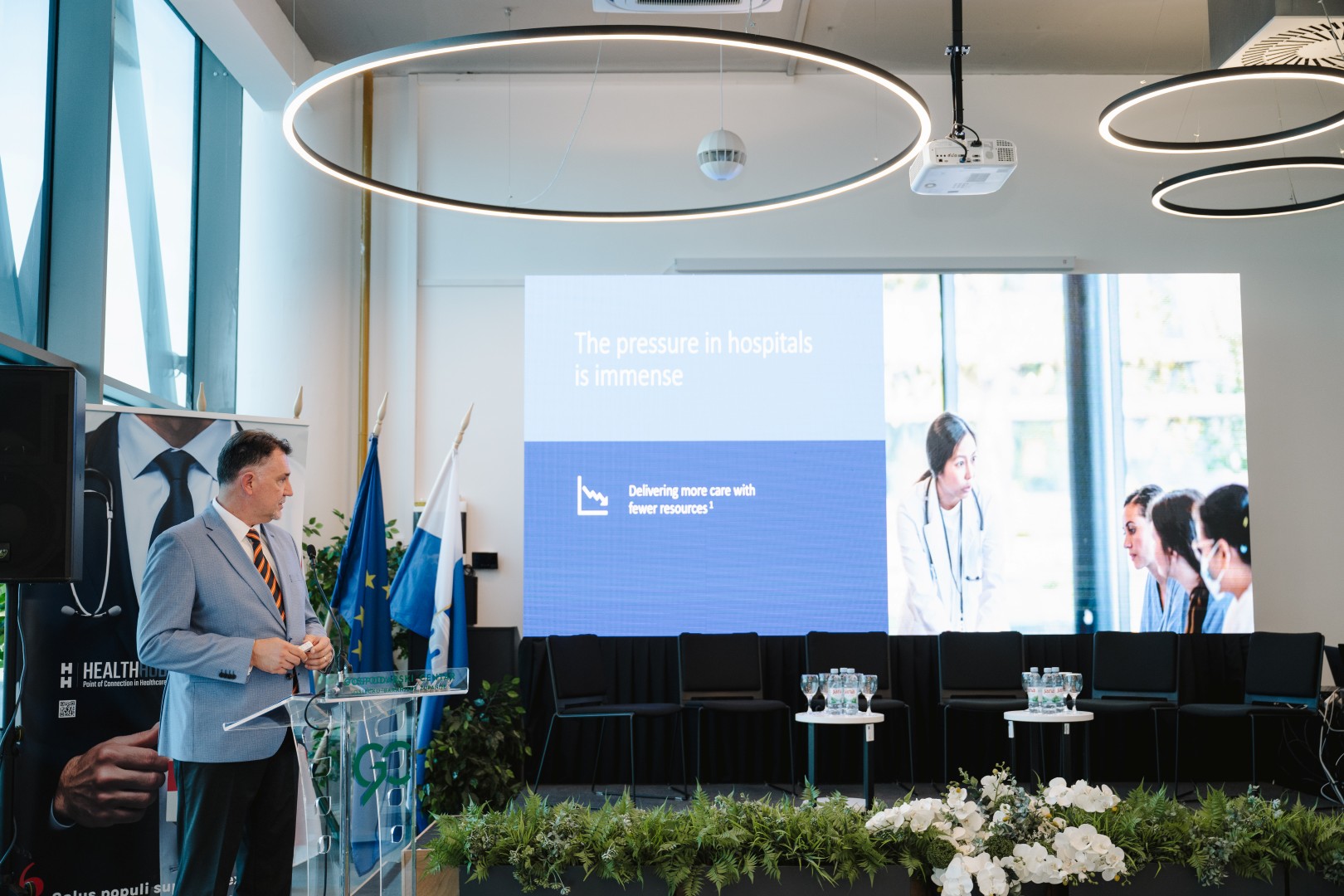
In his Innovation Keynote, “The Hospital of the Future – From Building Hospitals to Building Intelligent Health Infrastructure,” Miroslav Šaban, Head B2G, Government and Public Affairs, Zone CEE/Europe at Philips, addressed the transformation of traditional hospital infrastructure into an intelligent healthcare ecosystem.
Artificial intelligence, advanced diagnostics, connected medical devices, interoperable health data, automation, virtual care and remote patient monitoring are increasingly transforming the way healthcare is delivered. At the same time, hospitals must be prepared to address healthcare workforce shortages, demographic change, cyber risks and crisis-related disruptions.
The hospital of the future can therefore no longer be viewed simply as a building equipped with advanced medical technology. It must evolve into a connected, intelligent and adaptable ecosystem that brings together people, technology and data, while strengthening the capacity of healthcare systems to respond to both everyday needs and future challenges.
Resilient Hospitals as Critical National Infrastructure
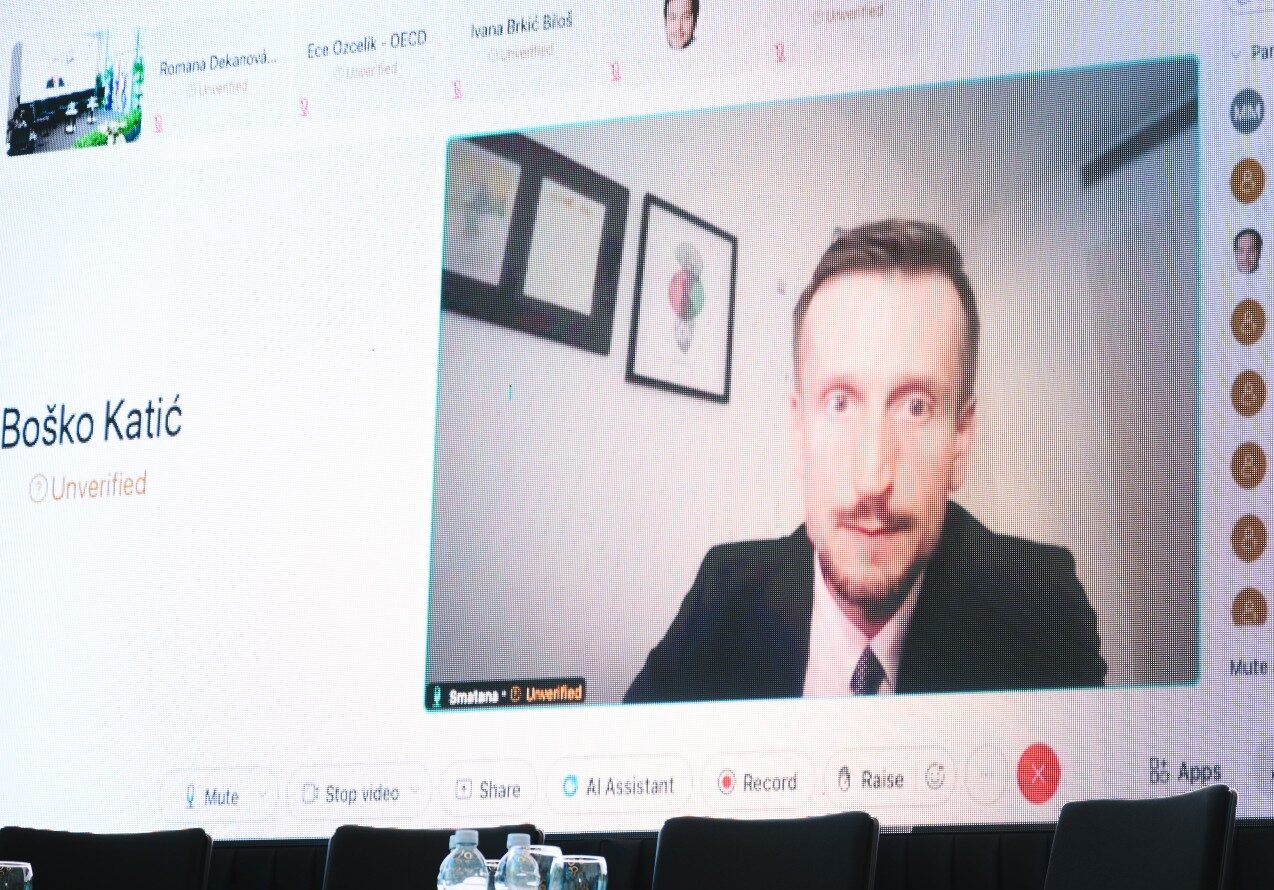
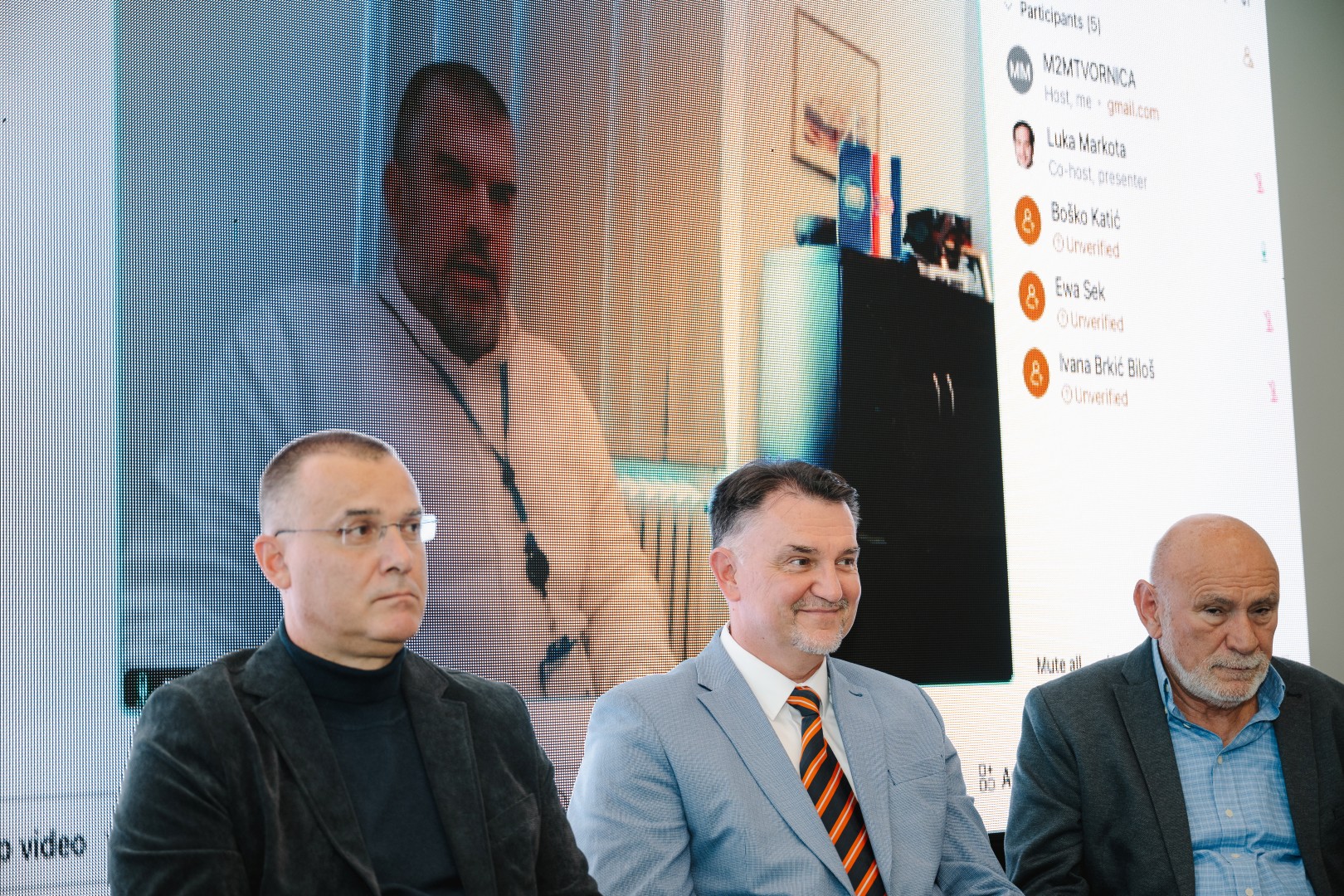
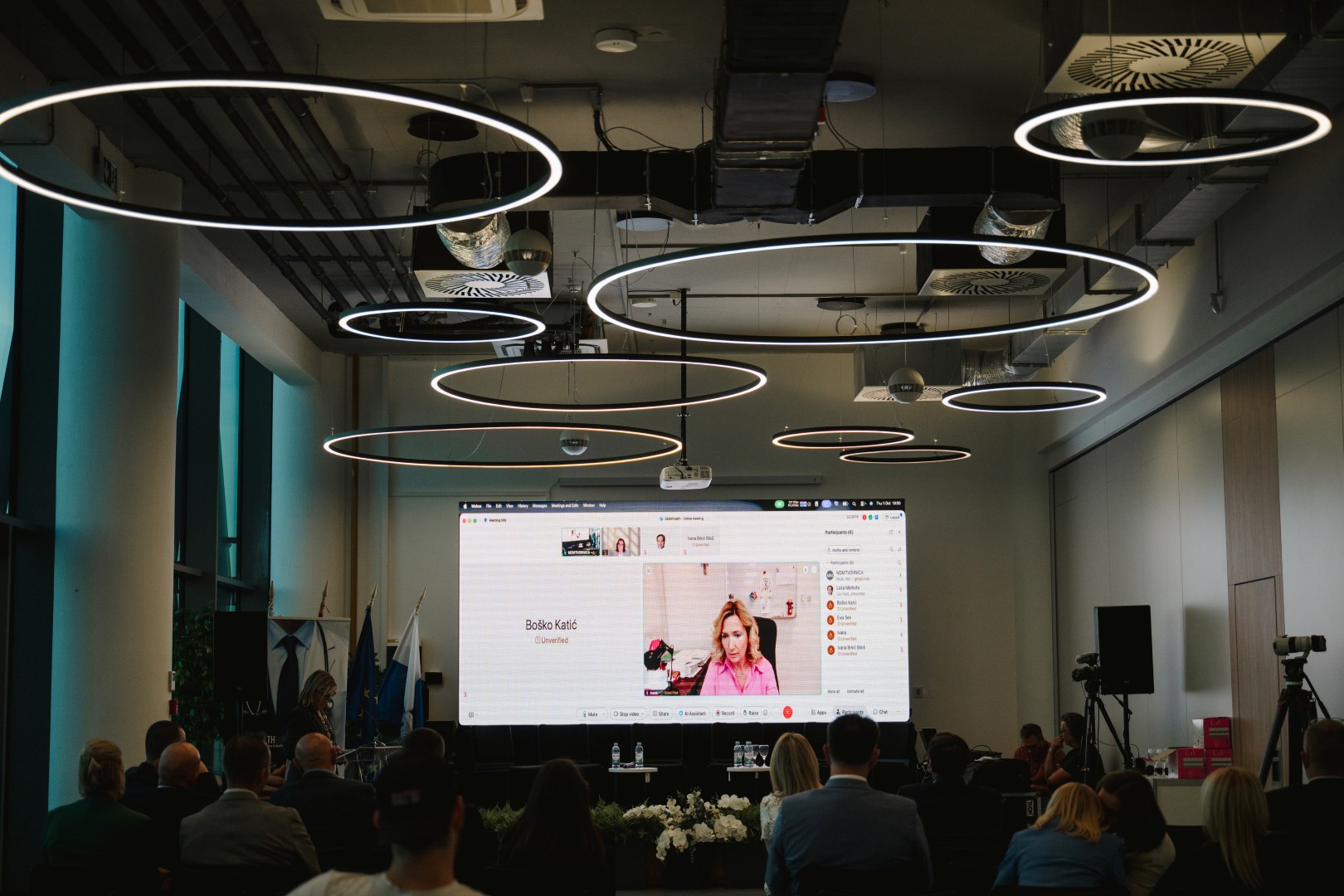
The first panel, “Resilient Hospitals – Healthcare as Critical National Infrastructure,” brought together Marina Jurković, Economic Adviser at the Croatian Association of Healthcare Employers; Assoc. Prof. Krunoslav Šego, MD, PhD, Director of University Hospital Centre Osijek; Anto Blažanović, MD, Director of the National Memorial Hospital Vukovar; Miroslav Šaban from Philips; Luka Markota, Regional Sales Manager at Cisco; and, joining online, Boško Katić, Deputy Director of Zadar General Hospital. The panel was introduced by a video message from Prof. Krunoslav Capak, MD, PhD, Director of the Croatian Institute of Public Health, who shared the Institute’s experience and activities in preparing for different types of public health emergencies and other crises.
The discussion connected lessons learned from pandemics, earthquakes and wartime conditions with a new generation of risks – ranging from cyberattacks and disruptions to energy systems to vulnerabilities in supply chains. Particular attention was given to the decentralisation of healthcare excellence and the role of a strong University Hospital Centre Osijek in strengthening health security across eastern Croatia, the experience of Vukovar Hospital in extreme circumstances, the modernisation of Zadar General Hospital, and the growing importance of digital infrastructure, medical technology and cybersecurity.
A key conclusion of the panel was that a resilient hospital is neither a single project nor a single technology. Resilience is built by bringing together people, infrastructure, data, technology, security, sustainability and an organisation’s capacity to adapt to changing and unexpected circumstances.

AI, MedTech and Healthcare as Drivers of Economic Value
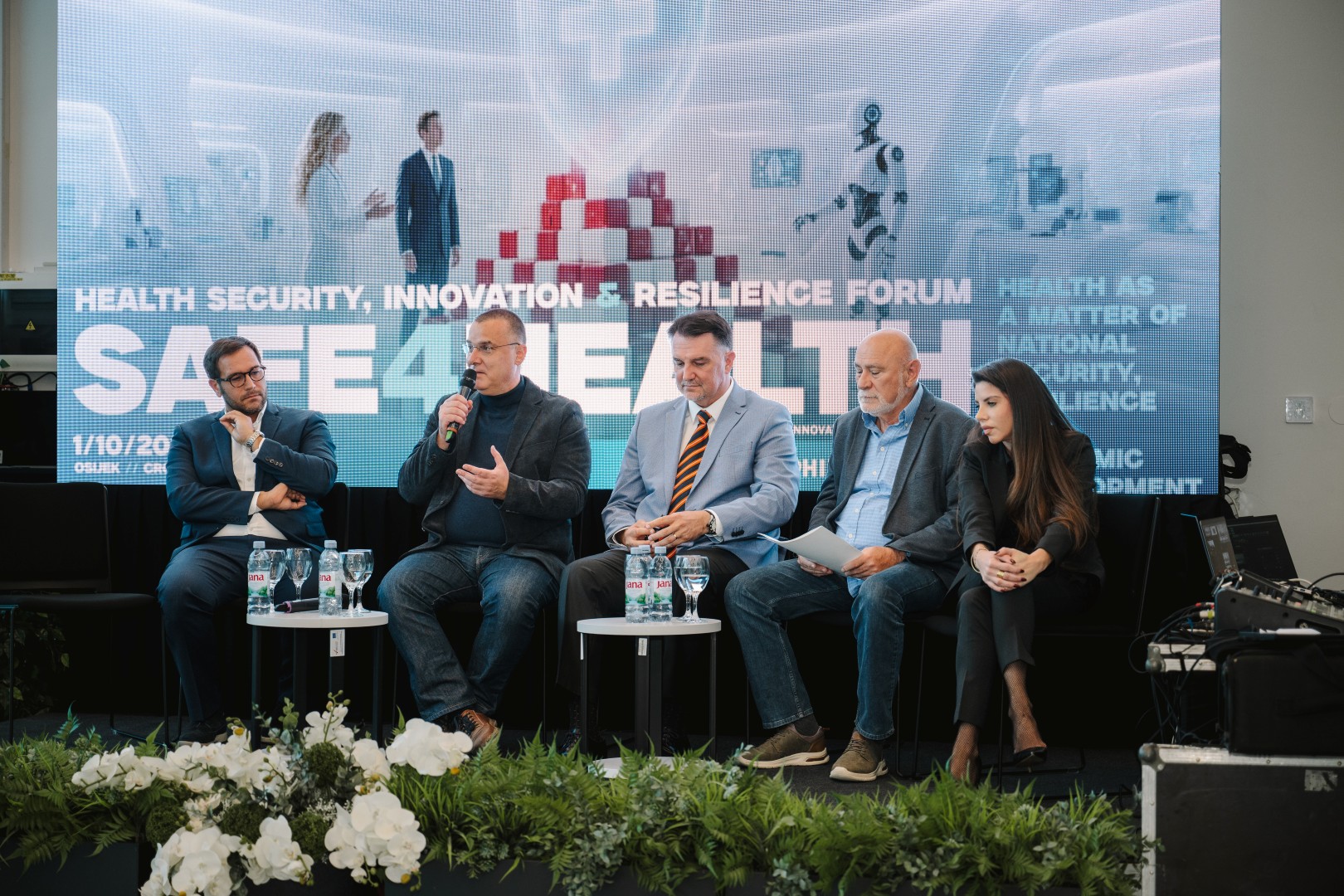
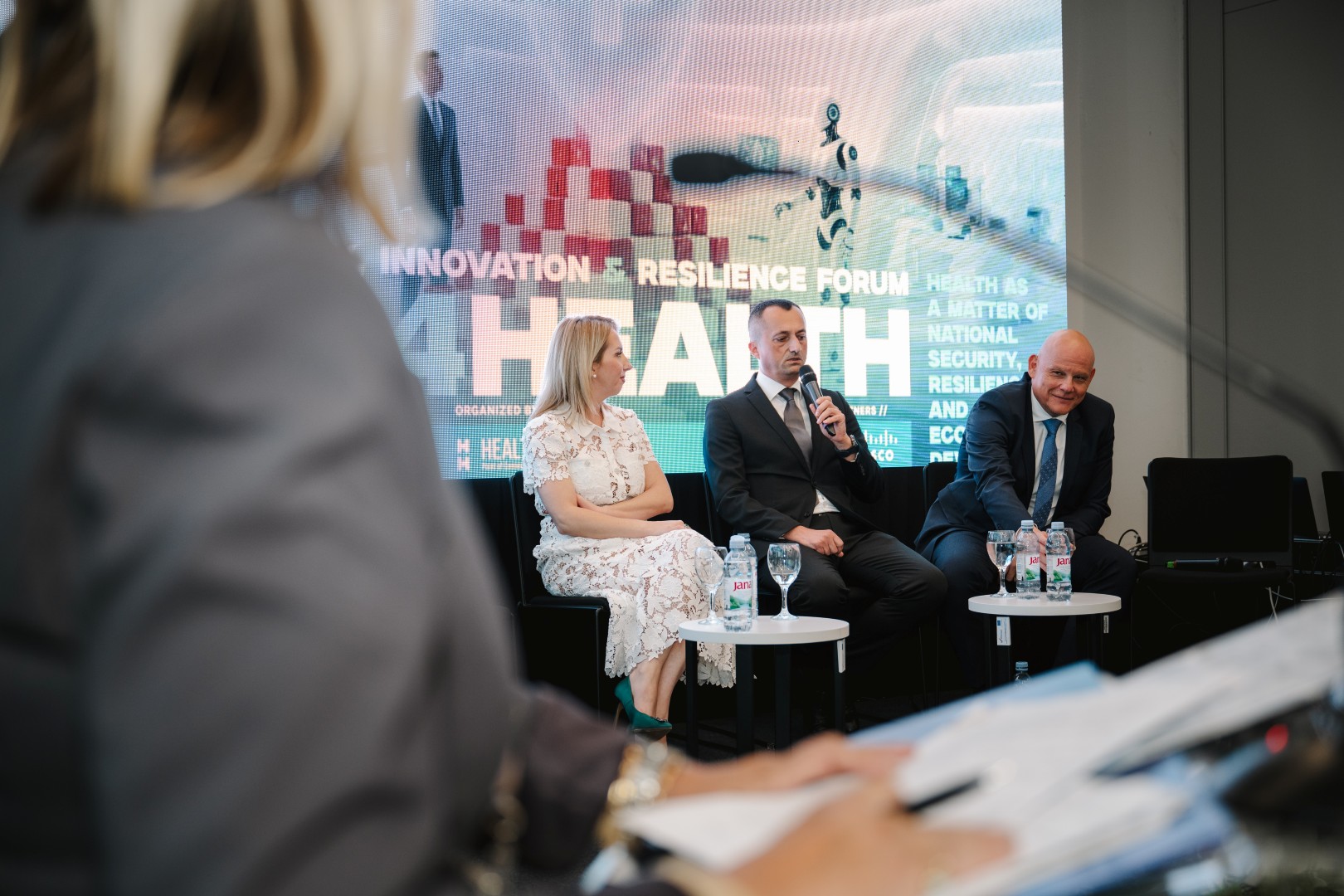
The second panel, “AI, MedTech and the Economics of Resilience – From Healthcare Investment to a Driver of Regional Economic Growth,” explored healthcare as an investment in productivity, new knowledge, innovation and regional development.
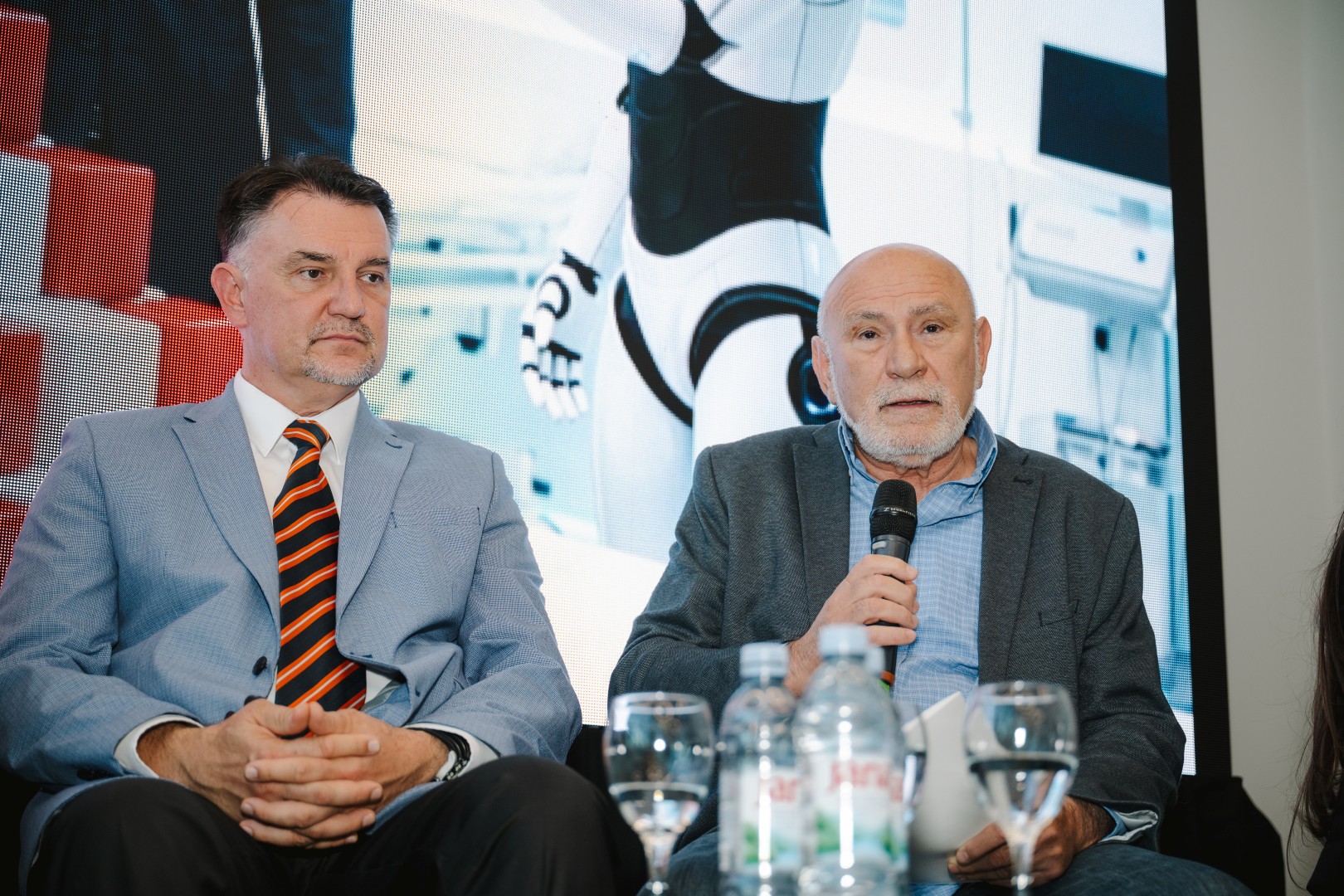
The panel brought together Prof. Domagoj Drenjančević, MD, PhD, Dean of the Faculty of Medicine Osijek; Prof. Tomislav Matić, PhD, Dean of FERIT Osijek; and Anita Bujanić from Health Hub, while Ewa Sek, Associate Director, Government Affairs & Market Development, CE&SE at Baxter, joined the discussion online from Poland.
Ewa Sek highlighted home dialysis as an example of innovation that can simultaneously transform patients’ lives, reduce pressure on hospital capacity and strengthen continuity of care, particularly when supported by telemedicine and remote patient monitoring.
Prof. Drenjančević addressed the need to educate a new generation of healthcare professionals for a medical environment in which AI, data, genomics and advanced technologies are becoming an integral part of clinical practice. Prof. Matić emphasised the importance of stronger collaboration between medicine and the technology sector, cyber resilience, and the strategic management of technology and data within hospitals.
Particular attention was given to Osijek’s potential to strengthen connections between University Hospital Centre Osijek, the Faculty of Medicine, FERIT, technology companies and the local innovation ecosystem, enabling healthcare investment to generate new research, innovation and highly skilled jobs, while contributing to the region’s long-term economic development.


Healthy Hearts, Resilient Society
The final panel, “Healthy Hearts, Resilient Society – From Cardiovascular Health to Sustainable and Resilient Communities,” broadened the concept of security to encompass the long-term health of the population. The discussion was based on the premise that non-communicable diseases may not have the dynamics of a sudden crisis, yet their cumulative impact – through premature mortality, disability, reduced work capacity and increasing pressure on healthcare systems – directly affects the resilience of society.
The panel brought together Ivana Portolan Pajić, MD, Director of the Directorate for Primary Healthcare at the Ministry of Health; Ivana Brkić Biloš, MD, Director of the Sector for Chronic Non-Communicable Diseases at the Croatian Institute of Public Health; Prof. Blaženka Miškić, MD, PhD, from the Department for the Prevention of Chronic Diseases in Slavonski Brod; and Prof. Vesna Ćosić, MD, PhD, Head of the University Undergraduate Nursing Programme in Nova Gradiška. Video contributions were delivered by Prof. Ivan Pećin, MD, PhD, Vice-President of the Croatian Hypertension League, and Schalk Opperman, General Manager and Managing Director at Merck.
The discussion addressed the future of Croatian cardiovascular health policy in the context of the European Safe Hearts Plan, prevention and early identification of risk factors, better use of health data, health and digital literacy, regional inequalities, and the need to ensure that innovation and modern approaches to prevention are accessible to citizens regardless of where they live.
The perspective of the innovative pharmaceutical industry further highlighted the importance of timely access to medicines and innovative therapies, resilient supply chains, research and development, manufacturing capacity, and Europe’s competitiveness. The discussion underlined that health security depends not only on hospitals and healthcare professionals, but also on the ability of healthcare systems to ensure that patients have access to the medicines and therapies they need and that continuity of treatment can be maintained – including during periods of major crisis.


Health Hub: Building Resilience for 2030 Through the Decisions We Make Today
SAFE4HEALTH concluded with a clear message: the next major crisis cannot be predicted with certainty. It may be a health, climate, geopolitical or digital crisis – and it is highly likely to combine elements of several different crises at the same time. What we can influence, however, is the state of preparedness and resilience in which our healthcare system will face it.
In its closing message, Health Hub highlighted four principles that encapsulate the direction of the SAFE4HEALTH initiative:
Health is National Security.
Technology is the Foundation of Resilience.
Health is Economic Strength.
We Build Resilience for 2030 Through the Decisions We Make Today.
SAFE4HEALTH was conceived not as a one-off event, but as a platform for continued policy dialogue on health security, preparedness, innovation and resilience – bringing together healthcare institutions, policymakers, international organisations, academia, industry and the technology sector.
As emphasised in the Forum’s closing remarks, a healthy population is not merely the outcome of a resilient healthcare system – it is one of its most important prerequisites.
The Forum was moderated by Sanja Kocijančić Petričević (HRT), one of Croatia’s most distinguished and experienced health journalists.
PHOTOGALLERY //
https://www.facebook.com/media/set?vanity=HealthHub.HR&set=a.1126662876404364
INNOVATION PARTNER