


Dace Dimza-Jones: “The UK Is Open for Health Innovation!” – How Croatian HealthTech and Life Science Companies Can Collaborate, Scale, and Succeed in the UK?
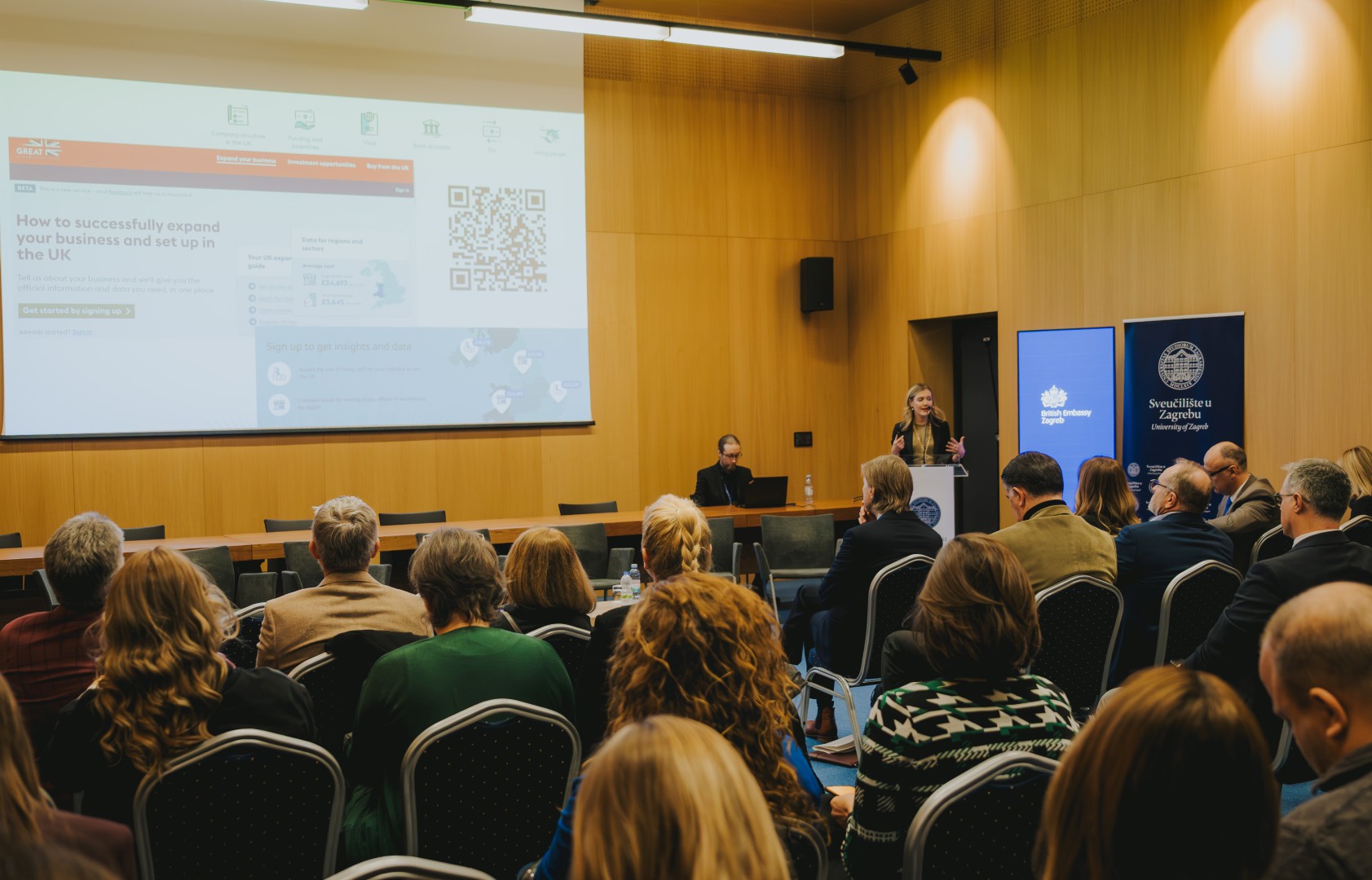
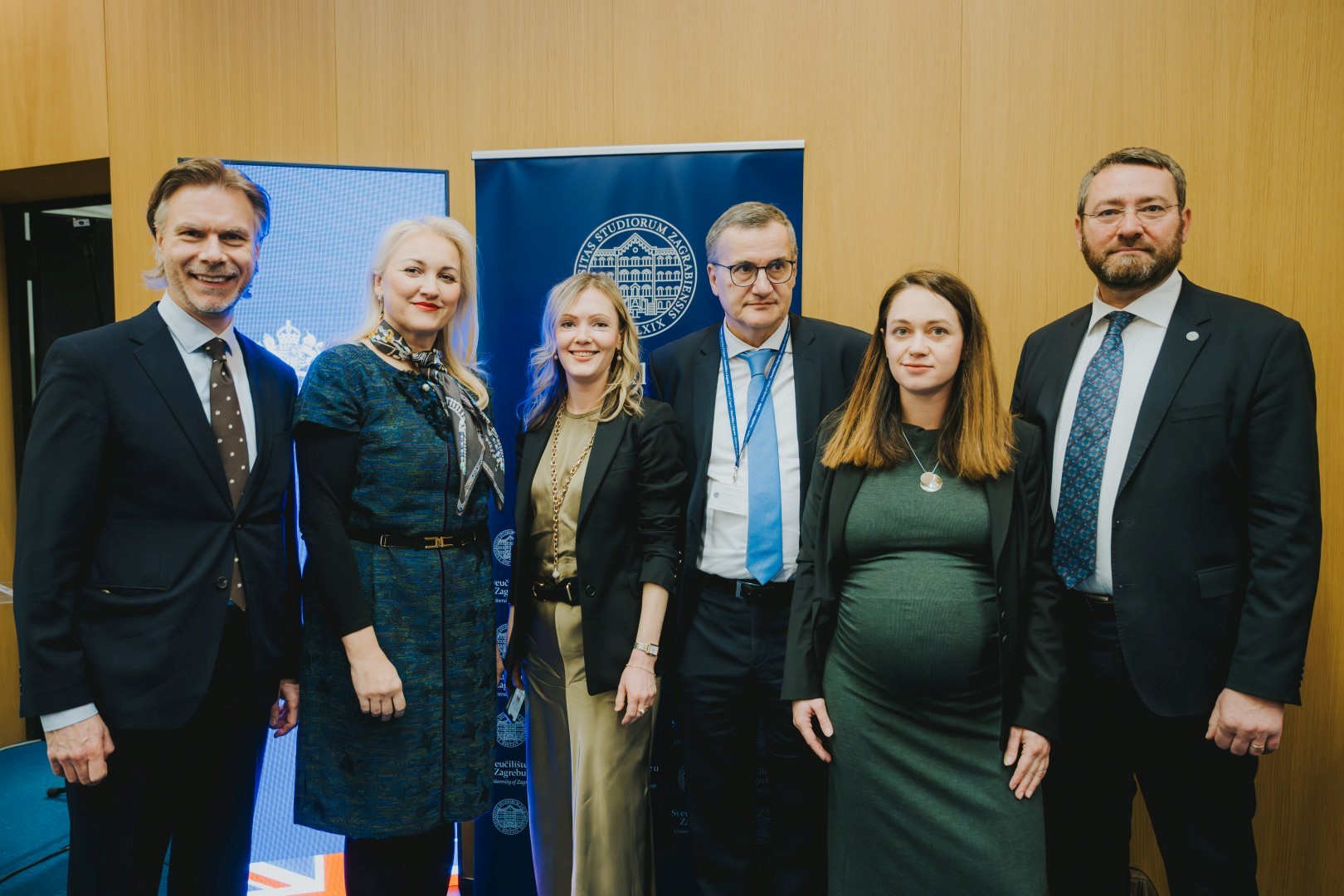
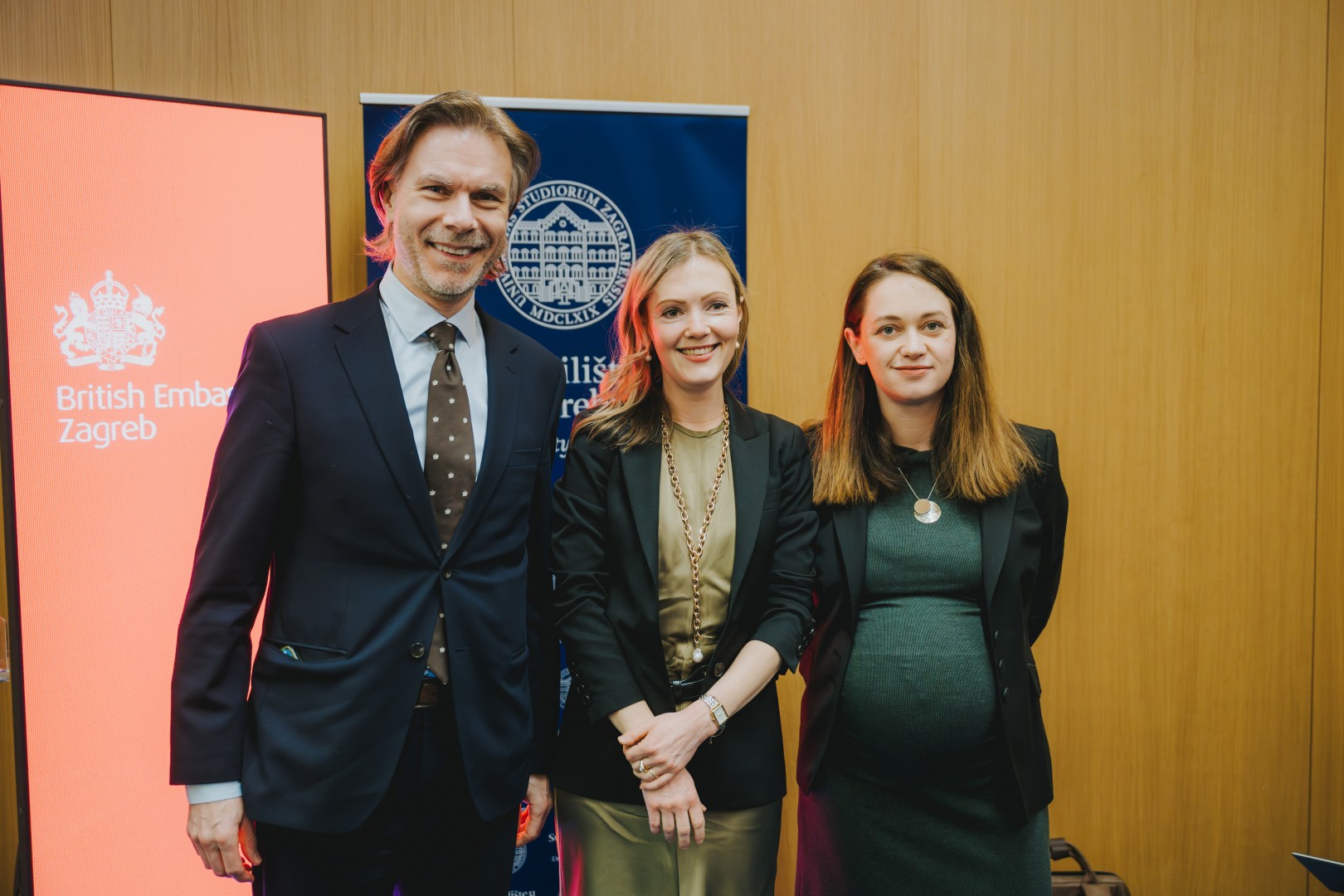
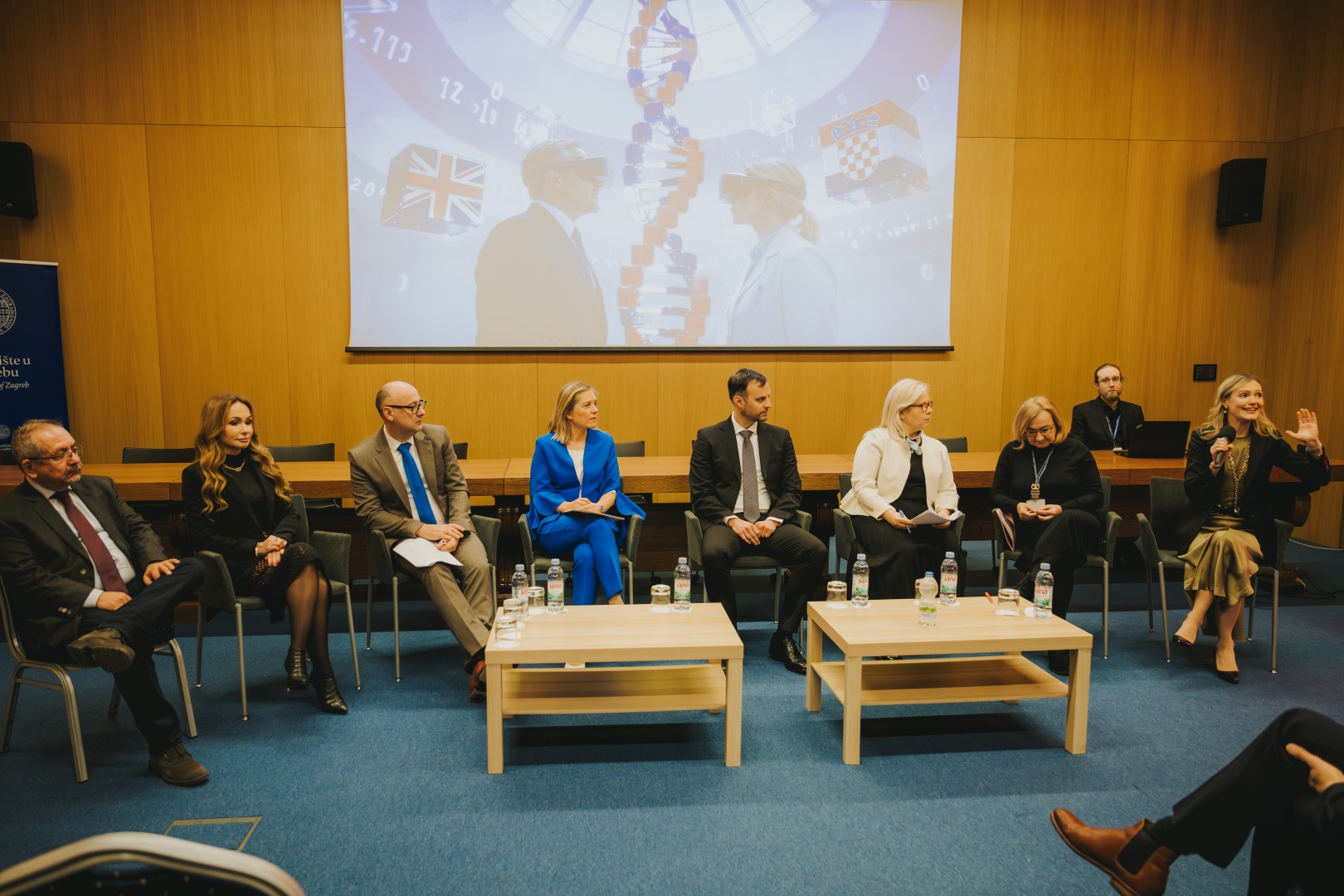
n the occasion of the inspiring conference organized by the British Embassy in the Republic of Croatia and the University of Zagreb, Health Talks: Encouraging HealthTech Innovation, dedicated to the development and application of health technologies, we spoke with Dace Dimza-Jones, National Specialist for Natural Sciences, who presented the multi-year vision of the United Kingdom Government. The conference brought together numerous stakeholders from the fields of health policy, academia, industry and innovation ecosystem from Croatia and the United Kingdom, and Ms. Dimza Jones pointed out numerous opportunities for cooperation in the field of health innovation.
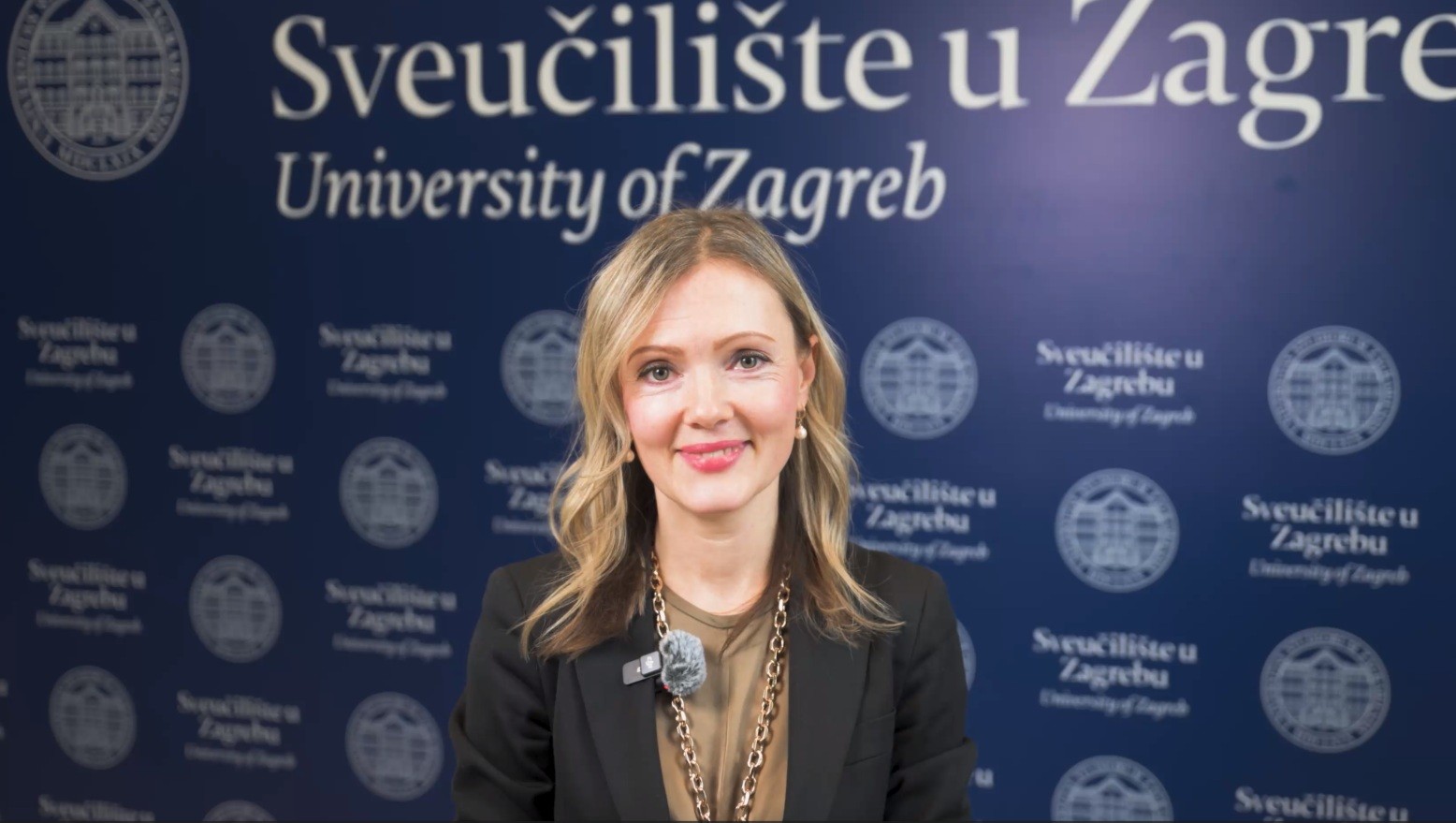
Dace, you represent the UK government and work directly with international innovators. What is your core mission in this role?
Dace Dimza-Jones:
My mission is very simple: to help innovative companies from around the world collaborate with, scale in, and succeed in the UK. I support healthtech, medtech, and pharmatech companies across more than 30 therapeutic areas — from Alzheimer’s drug discovery and oncology to digital health and women’s health.
Most importantly, all the support I provide is free of charge. I work very closely with the NHS, Health Innovation Networks, academic partners, investors, and UK businesses to make sure international companies don’t feel lost when entering such a complex ecosystem.
Why should companies from Croatia consider the UK as a partner or destination?
Dace Dimza-Jones:
Because the UK offers something very powerful: access. Access to the NHS as one of the largest single healthcare systems in the world, access to patients, access to clinical trials, access to funding, and access to global markets.
For Croatian companies, the UK can be both a collaboration partner and a springboard. You don’t have to abandon your Croatian identity — many companies successfully operate with both Croatian and UK entities, using the UK presence to raise investment and expand internationally.

There is a perception that the NHS lacks funding. You challenged that view. Why?
Dace Dimza-Jones:
It’s a common misconception. The NHS spends around £19 billion annually on medicines, plus significant amounts on medtech, AI, diagnostics, and digital solutions. The money exists — but innovators must understand how the system works and how to engage with it.
That’s why collaboration with Health Innovation Networks, NIHR, and NHS partners is so important. They help companies navigate procurement, pilots, evaluation, and adoption.
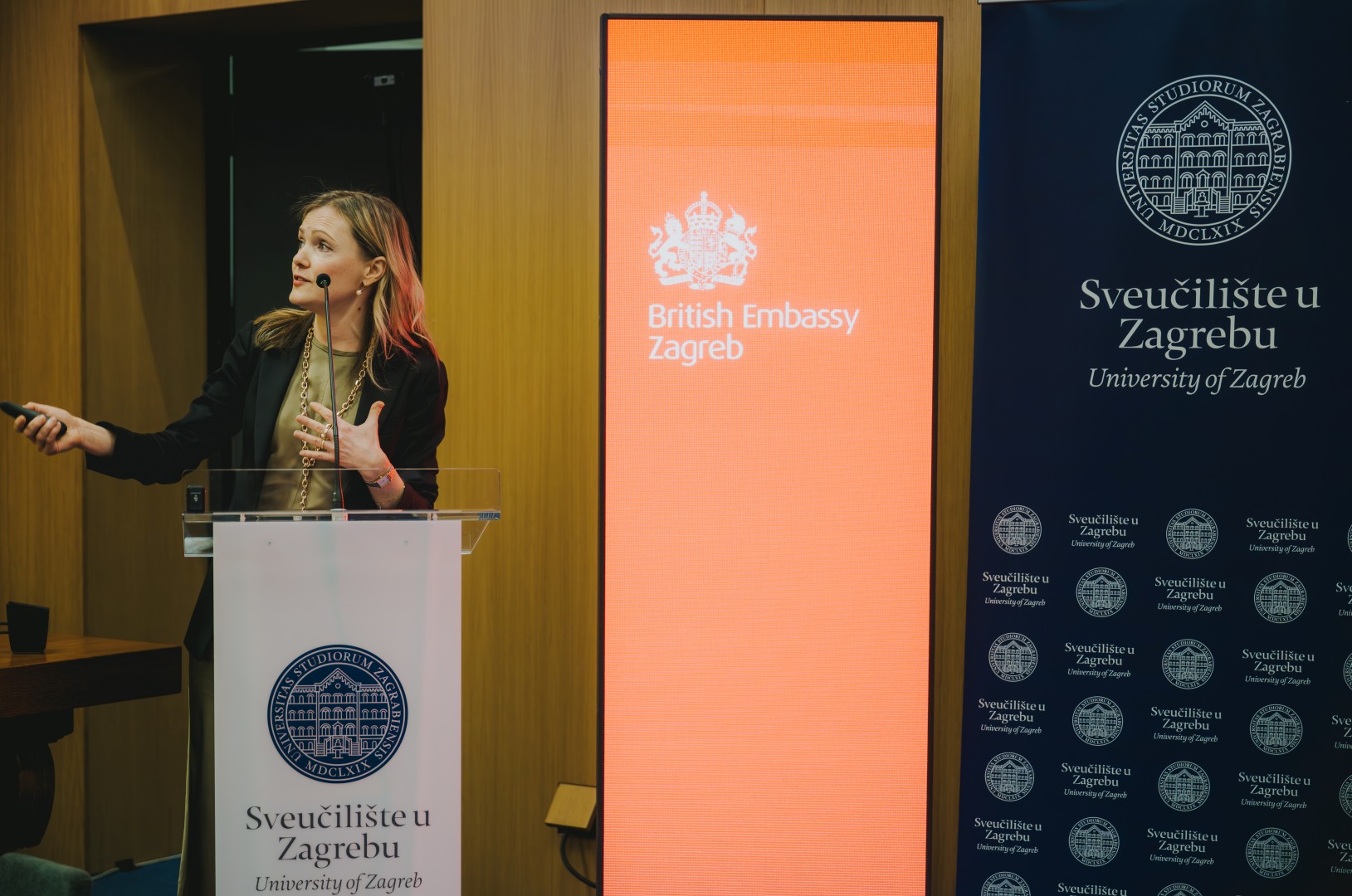
You emphasized that innovation in the UK is not centralized in London. Why is that important for newcomers?
Dace Dimza-Jones:
One of the biggest mistakes international companies make is assuming London is the only place to be. In reality, the UK has strong regional life-science clusters, each with its own strengths.
For example:
- Liverpool for vaccines
- Newcastle for ageing and longevity
- Yorkshire & Humber for digital health and medtech
- Cambridge and Oxford for deep science and biotech
Choosing the right region can unlock regional funding, talent, academic partnerships, and NHS collaborators that are perfectly aligned with your technology.
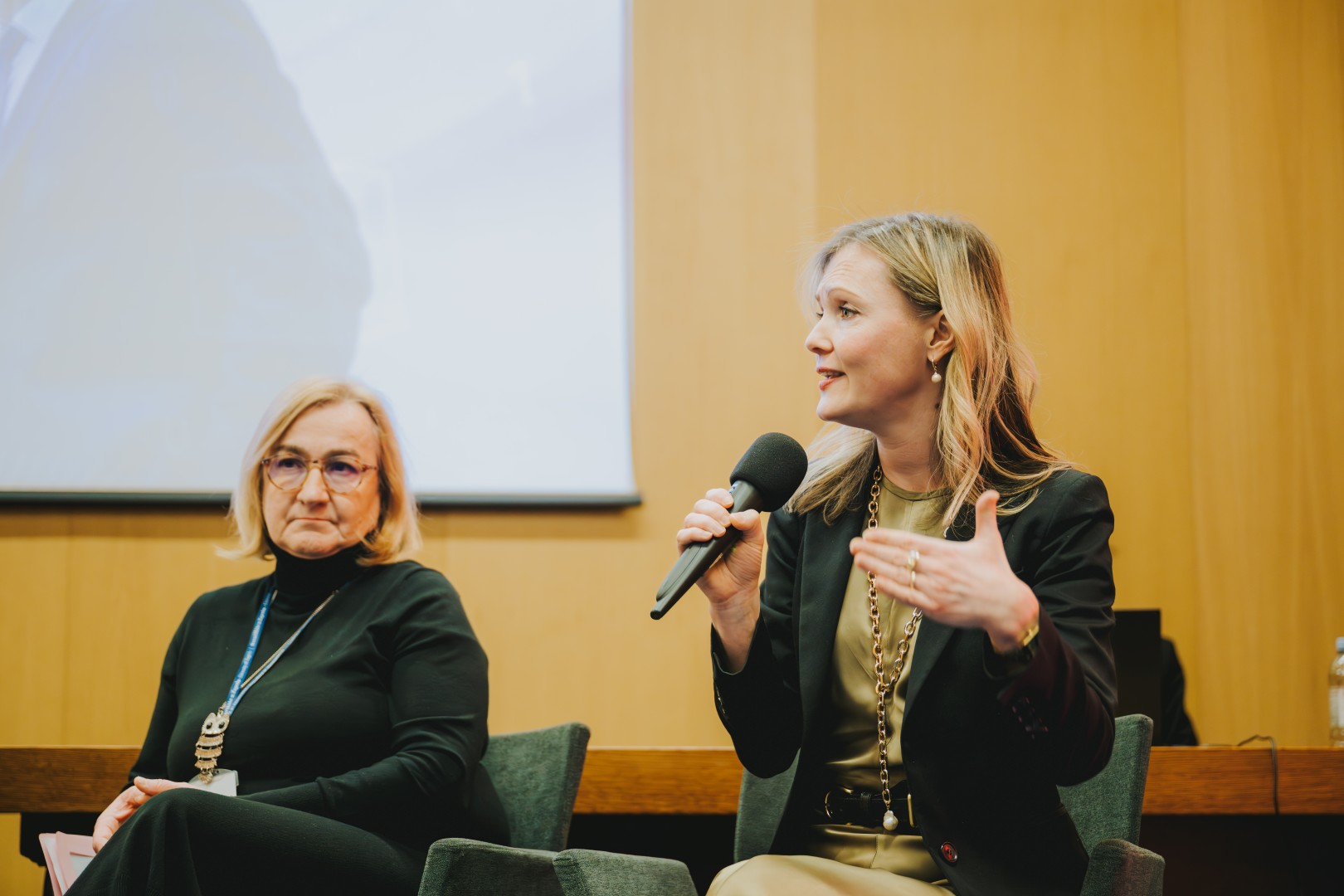
What concrete support structures should innovators be aware of?
Dace Dimza-Jones:
There are several pillars:
- Health Innovation Networks (HINs) – the innovation arm of the NHS, supporting pilots, adoption, and scaling
- NIHR (National Institute for Health and Care Research) – one of Europe’s largest research funders, supporting clinical trials, translational research, and infrastructure
- Biomedical Research Centres (BRCs) – ideal for biomarker discovery, genomics, imaging, and translational science
- HealthTech Research Centres (HRCs) – focused on applied healthtech, diagnostics, devices, and sustainability
- Catapults, such as the Centre for Process Innovation, supporting manufacturing, scale-up, and supply chains
And again — much of this support is free.
How can Croatian entrepreneurs practically enter the UK ecosystem?
Dace Dimza-Jones:
There are several routes. One is simply collaboration — pilots, trials, or joint research. Another is setting up a UK subsidiary, which is much easier than people expect.
Once you have a UK entity, you become eligible for UK grants, tax incentives, export support, and you can present yourself globally as a company working with the UK government and the NHS — which is extremely attractive to investors.
You mentioned the Global Entrepreneur Programme. What makes it special?
Dace Dimza-Jones:
The Global Entrepreneur Programme (GEP) is designed for ambitious founders with scalable ideas. If accepted, entrepreneurs receive 6–12 months of mentoring from experienced “Dealmakers” — investors and serial entrepreneurs — to help them land in the UK and grow.
Importantly, the programme can also sponsor Innovator Founder visas, which makes relocation and long-term presence in the UK possible, even after Brexit.
Funding is always a key concern. What options exist beyond venture capital?
Dace Dimza-Jones:
Venture capital is important, and the UK has a strong VC ecosystem — particularly in London. But funding in the UK is broader than that.
Companies can access UK Research & Innovation (UKRI) grants, Regional growth funds, R&D tax credits and IP tax reliefs, Equity, debt, and hybrid funding and Medical research charities, many of which act like VCs and run accelerator programmes. This mix gives companies flexibility depending on their stage and strategy.
What advice would you give to Croatian innovators considering collaboration with the UK?
Dace Dimza-Jones:
Be patient, be strategic, and be present. There are no shortcuts — the UK ecosystem rewards long-term engagement, trust-building, and collaboration.
But the effort pays off. The UK values international talent, and there is genuine interest in learning from countries like Croatia, especially when it comes to academic excellence and emerging innovation.
Finally, what does success look like for you in UK–Croatia cooperation?
Dace Dimza-Jones:
Success means two-way learning. Not just Croatian companies benefiting from the UK ecosystem, but UK partners learning how to translate excellent academic research — like the work coming out of Zagreb — into successful businesses.
If we can turn scientific intelligence into real-world impact together, then we are truly advancing healthcare — not just nationally, but globally.