

Health Talks: The United Kingdom and Croatia Strengthen Their Partnership in the Development of Innovation and Health Technologies
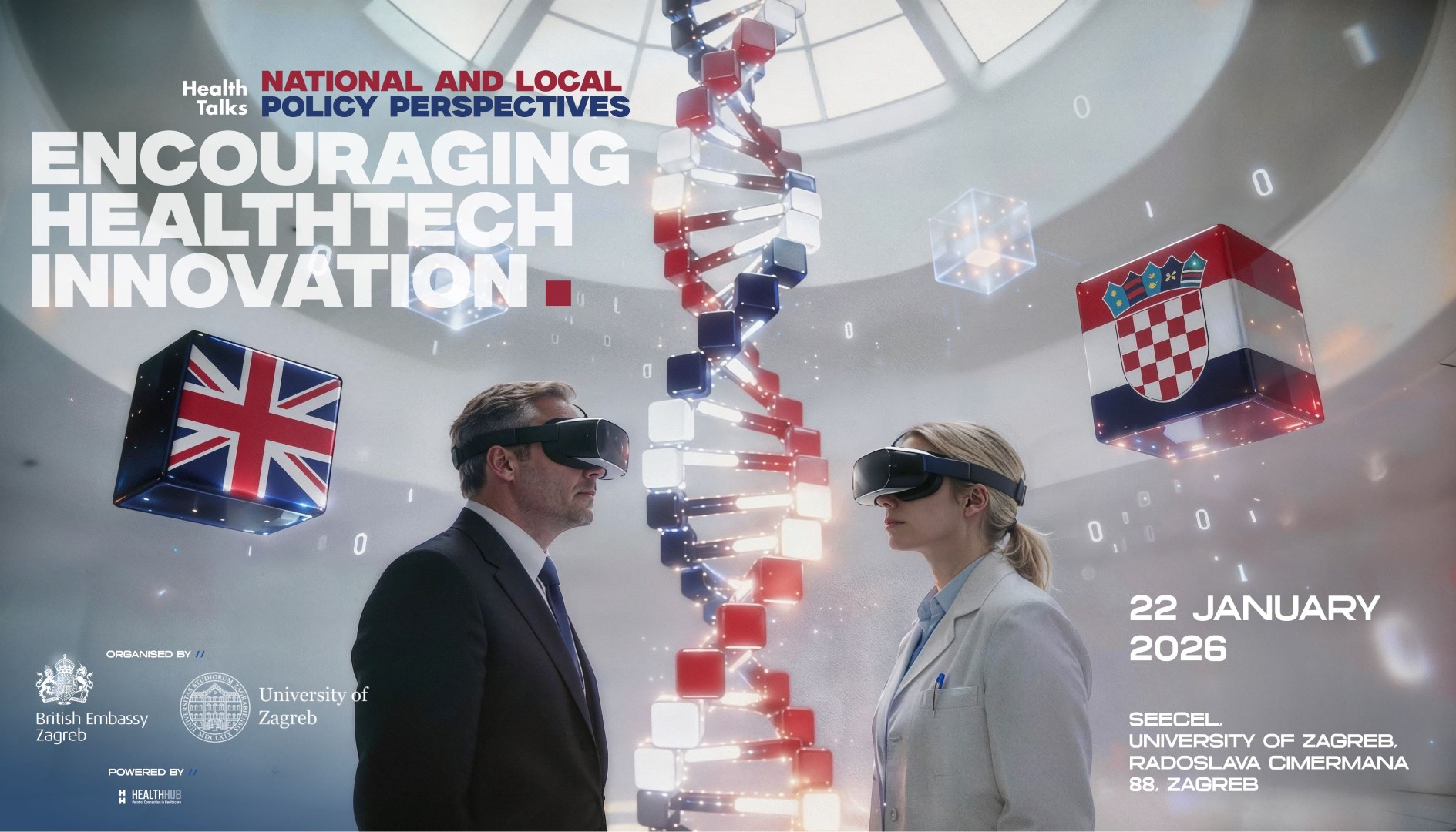
rganised by the British Embassy in the Republic of Croatia and the University of Zagreb, the inspiring conference Health Talks: Encouraging HealthTech Innovation was held with a focus on the development and application of health technologies, bringing together a wide range of stakeholders from the fields of health policy, academia, industry, and the innovation ecosystem from Croatia and the United Kingdom.

The conference was opened by Professor Tomislav Josip Mlinarić, PhD, Vice-Rector of the University of Zagreb for Innovation, Technology Transfer and Cooperation with Industry, who emphasised that health is “the most valuable societal resource” and highlighted that the University is systematically building an environment that connects science, industry, and the public sector:
“Our goal is to support the entire innovation journey—from idea to solutions that genuinely improve health outcomes and the quality of life of citizens.”
A Strong Message from the United Kingdom: Innovation as a Health and Economic Priority
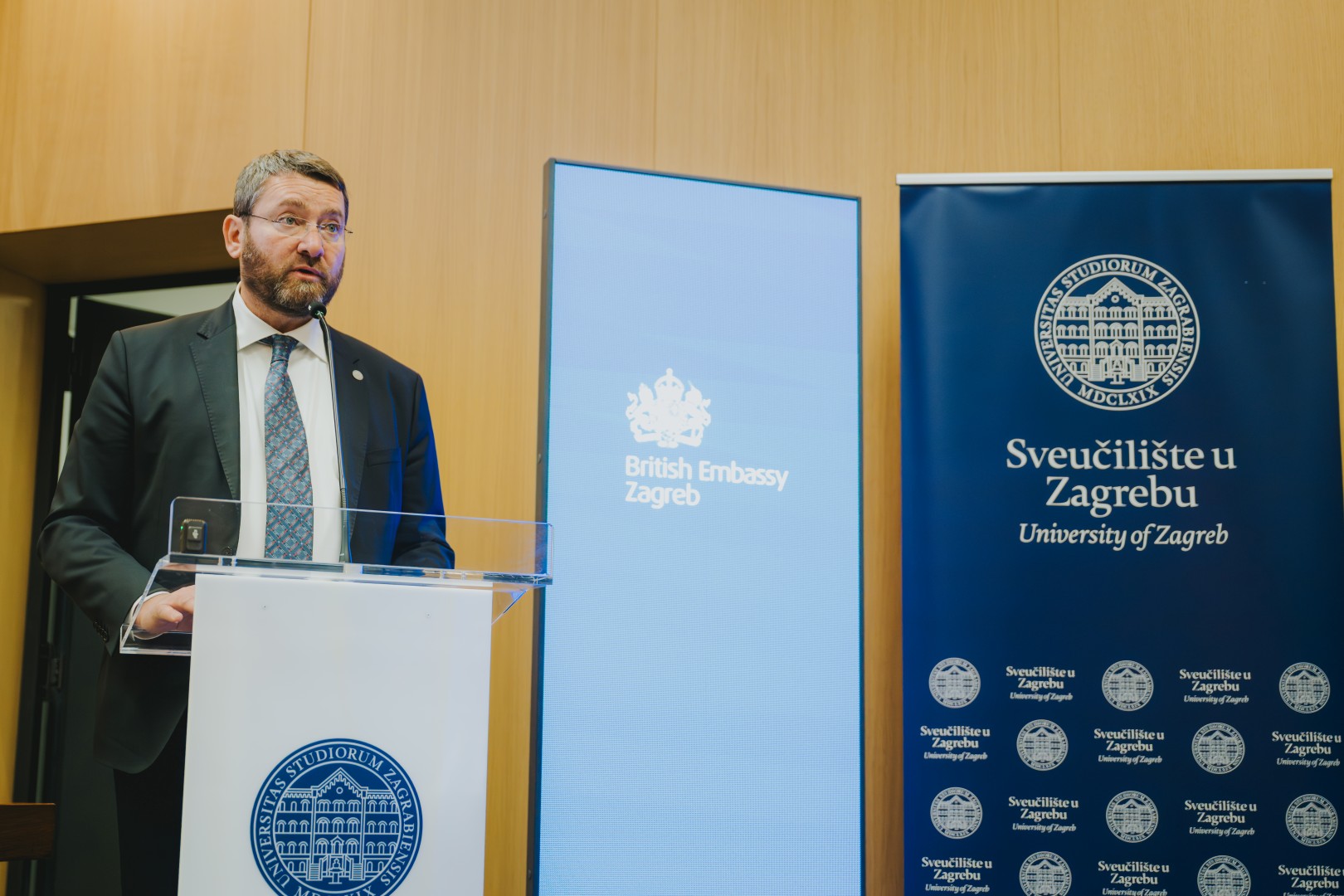
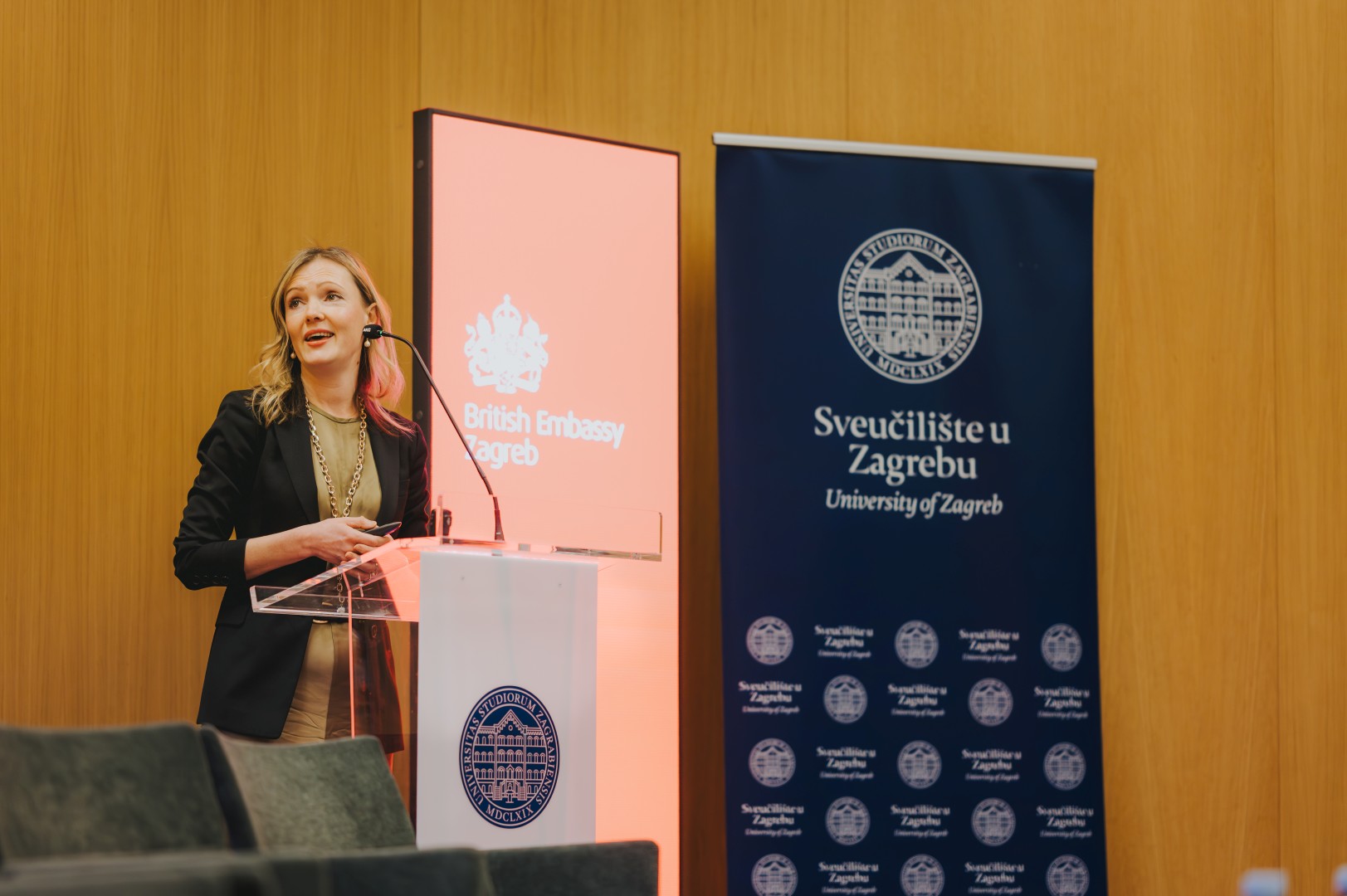
On behalf of the British Embassy, the participants were addressed by Samantha Dunger, Deputy Ambassador, who emphasised that Health Talks forms part of the United Kingdom’s broader and long-term commitment to connecting the Croatian and British health and innovation ecosystems:
“This is the right moment for a deeper strategic dialogue on how to enable innovation—not only by linking local ecosystems, but also by adapting public policies that allow for its rapid implementation.”
She particularly highlighted the NHS’s new ten-year plan and the UK Life Sciences Sector Plan, both of which place digitalisation, artificial intelligence, and the use of health data at the heart of the transformation of the healthcare system.


The Croatian Perspective: Technology in the Service of Humanity
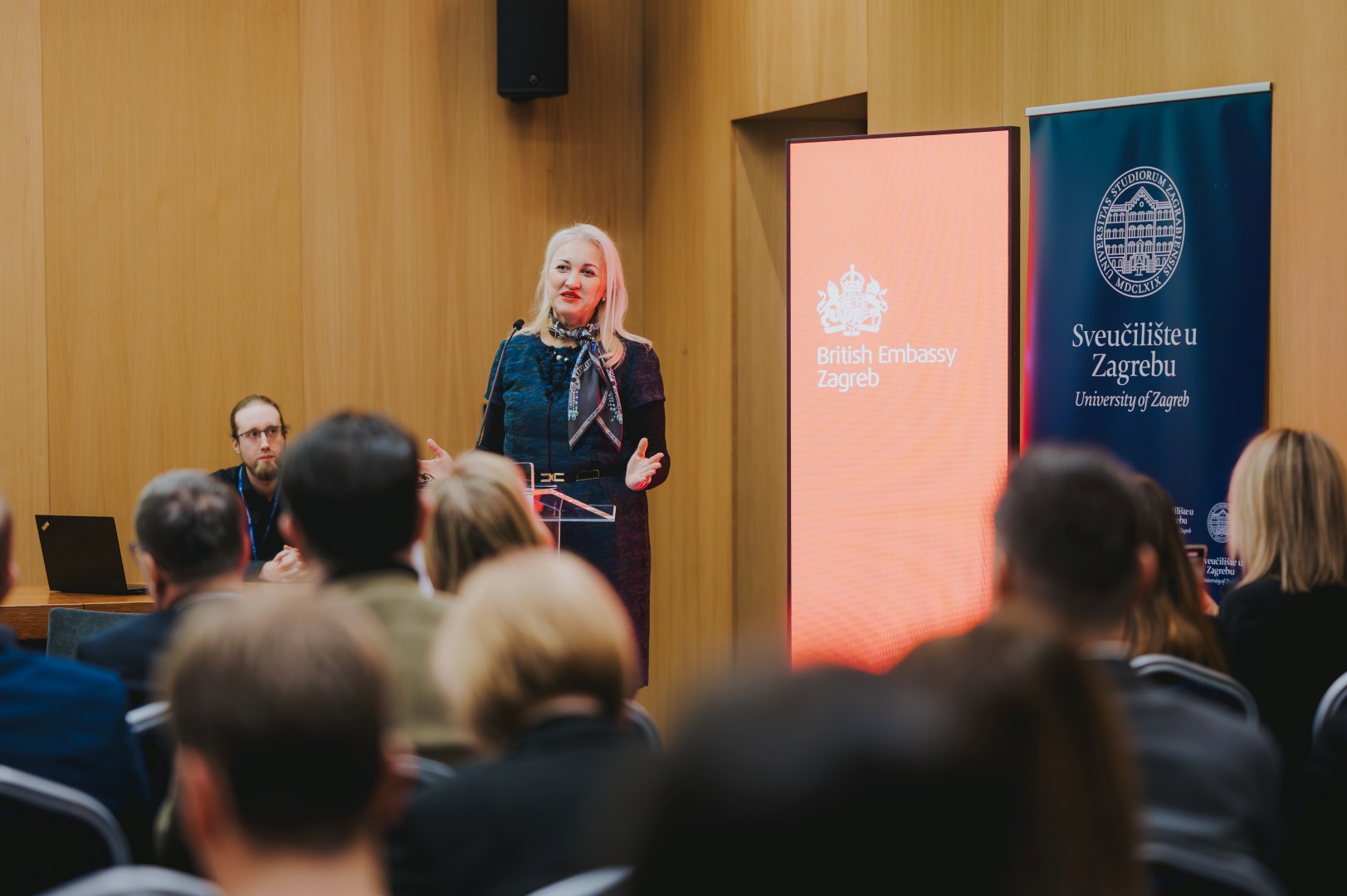
Assistant Prof. Marija Bubaš, MD, PhD, State Secretary at the Ministry of Health and Delegate of the Minister of Health, Associate Professor Irena Hrstić, MD, PhD, emphasised that health technologies must remain firmly patient-centred:
“Health technology has value only if it serves human dignity. Innovation without empathy is not progress, but merely change.”
She added that the partnership with the United Kingdom represents not only an exchange of technology, but also an exchange of values—solidarity, universality of healthcare, and openness to learning.

How the NHS Translates Innovation into Systemic Practice
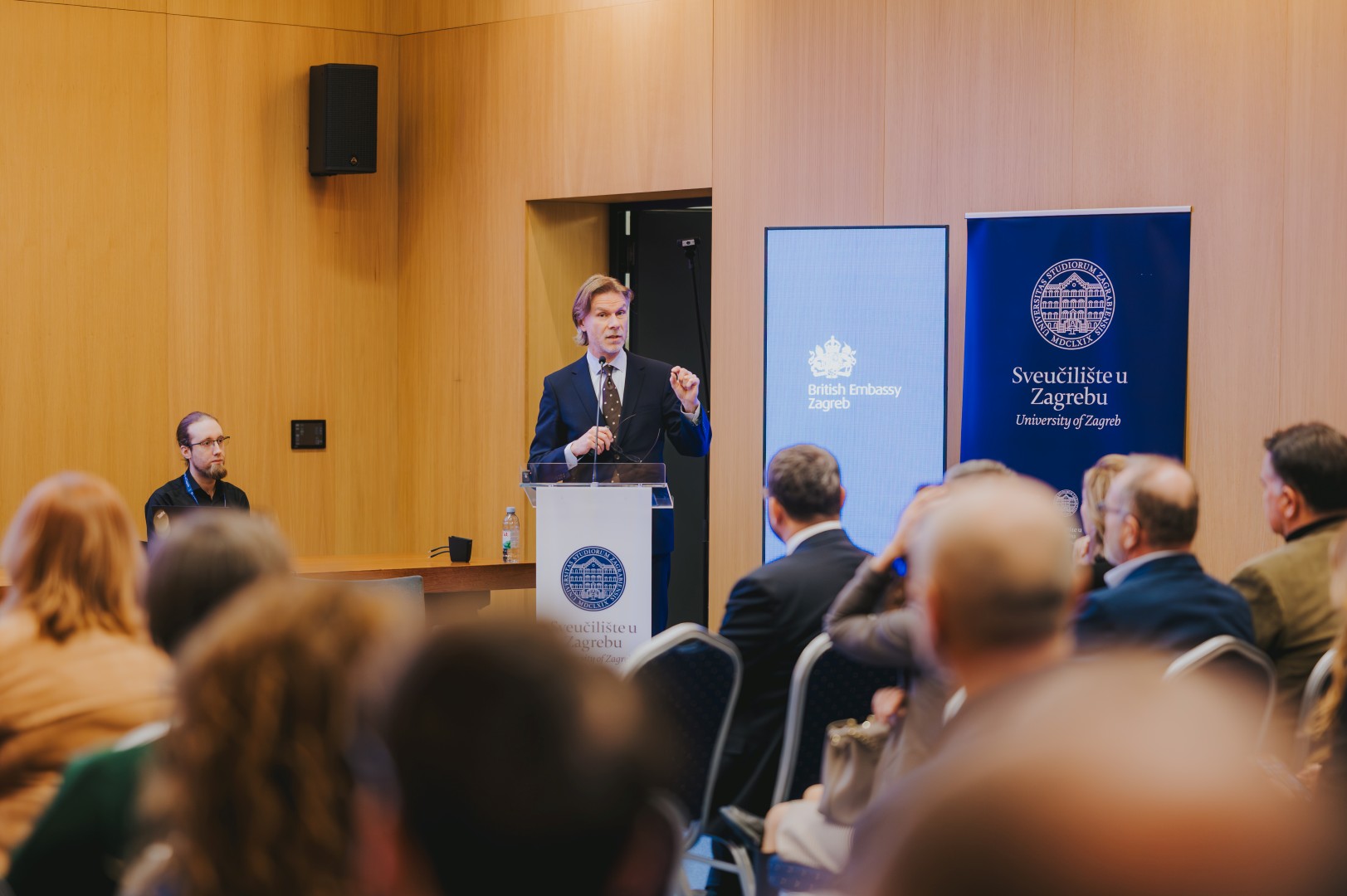
The keynote address was delivered by Professor Tony Young OBE, National Clinical Lead for Innovation at NHS England and one of the principal architects of the UK’s healthcare innovation model. Speaking about the challenges facing public health systems, he noted:
“‘Impossible’ is often merely a state of mind. Innovation succeeds when it addresses real systemic problems and has a clear pathway to implementation in practice.”
As an example, he cited the NHS Clinical Entrepreneur Programme, through which nearly 600 new life sciences companies have been launched with relatively modest public investment, emphasising that the key lies in connecting people, policy, and markets.

A Croatian–British Bridge in Practice: The Example of Lung Cancer Screening
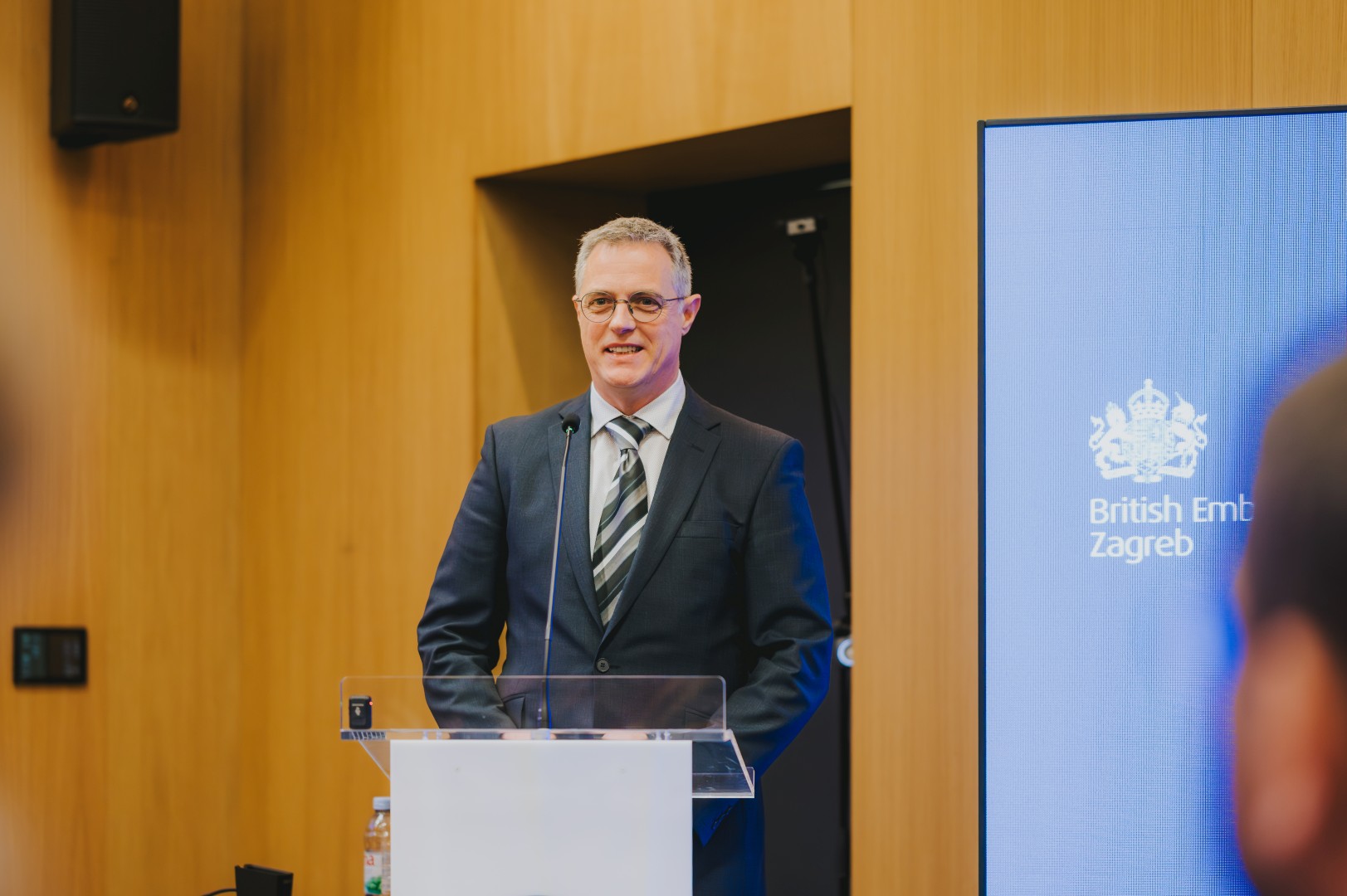
In the second presentation, Associate Professor Ante Marušić, MD, PhD, a clinician and consultant at the Telemedicine Clinic (UK) and the University of Split, presented the implementation of an early lung cancer detection programme at their clinic and compared the Croatian and British models. He highlighted that Croatia, owing to the strong role of general practitioners and an integrated IT system, has achieved an exceptionally high level of public participation:
“Innovation succeeds when it is supported by political commitment, grounded in scientific evidence, and underpinned by patient trust. Trust, in particular, is the key differentiator between healthcare systems.”
Opportunities for Croatia through Cooperation with the United Kingdom
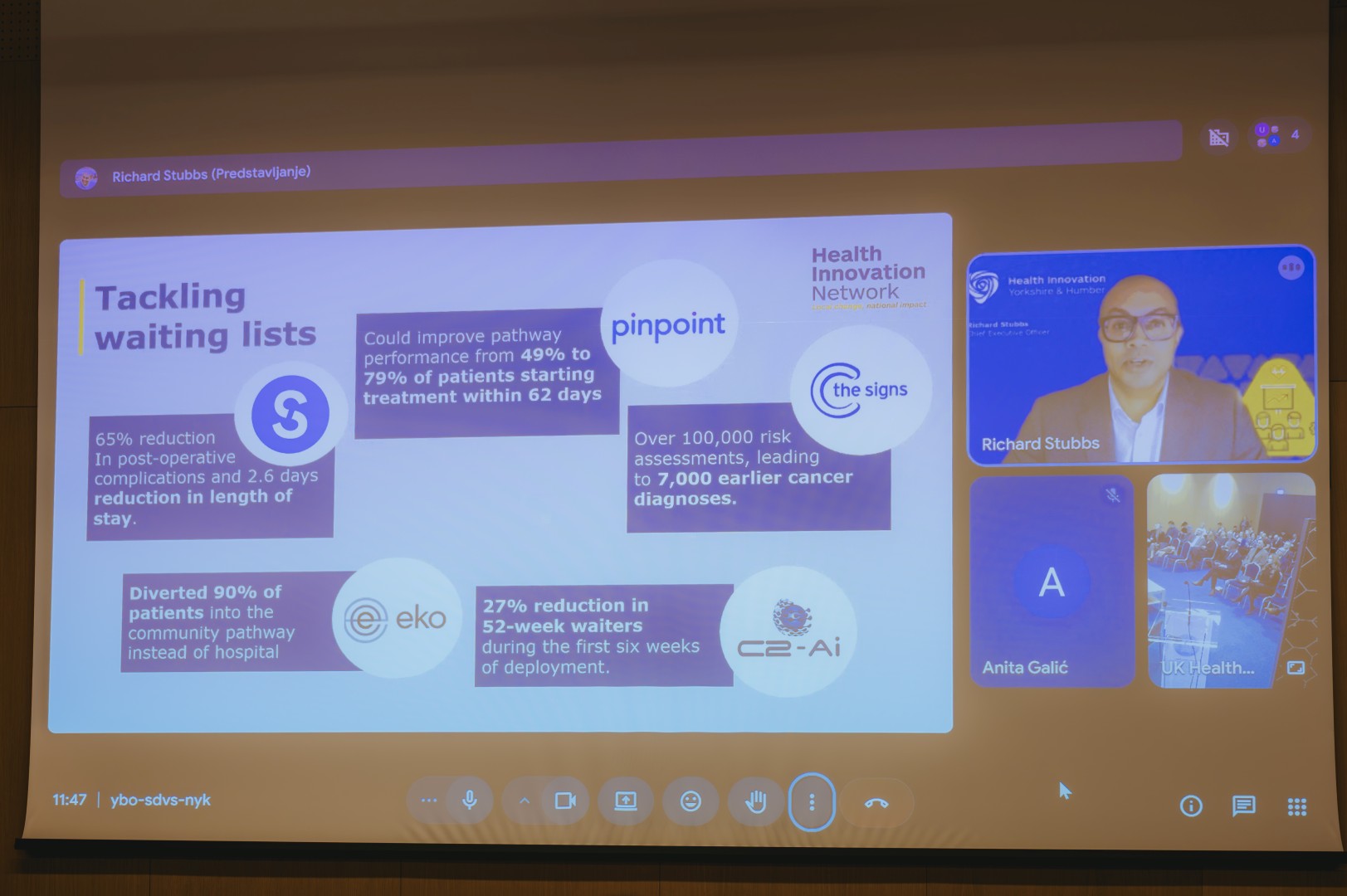
Richard Stubbs, Honorary Professor, CEO of Health Innovation Yorkshire & Humber, presented the Health Innovation Network as a powerful mechanism for connecting the NHS, industry, and academia, emphasising that such regional innovation ecosystems help translate innovation into tangible benefits for patients and society. Stubbs underscored that sustainable healthcare innovation requires a structured approach to technology adoption—one that links evidence generation with clinical practice and public policy—thereby simultaneously improving health outcomes and stimulating economic growth.
Particular attention was drawn to the presentation by Dace Dimza-Jones, National Life Sciences Adviser at the UK Department for Business & Trade, who outlined opportunities for Croatian companies, start-ups, and researchers through the UK Global Entrepreneur Programme:
“The United Kingdom offers an open, structured, and internationally oriented ecosystem for health innovation. Croatia already has strong foundations—highly skilled professionals, robust digital infrastructure, and successful public health programmes.”

Panel Conclusions: From Pilot Projects to Systemic Impact
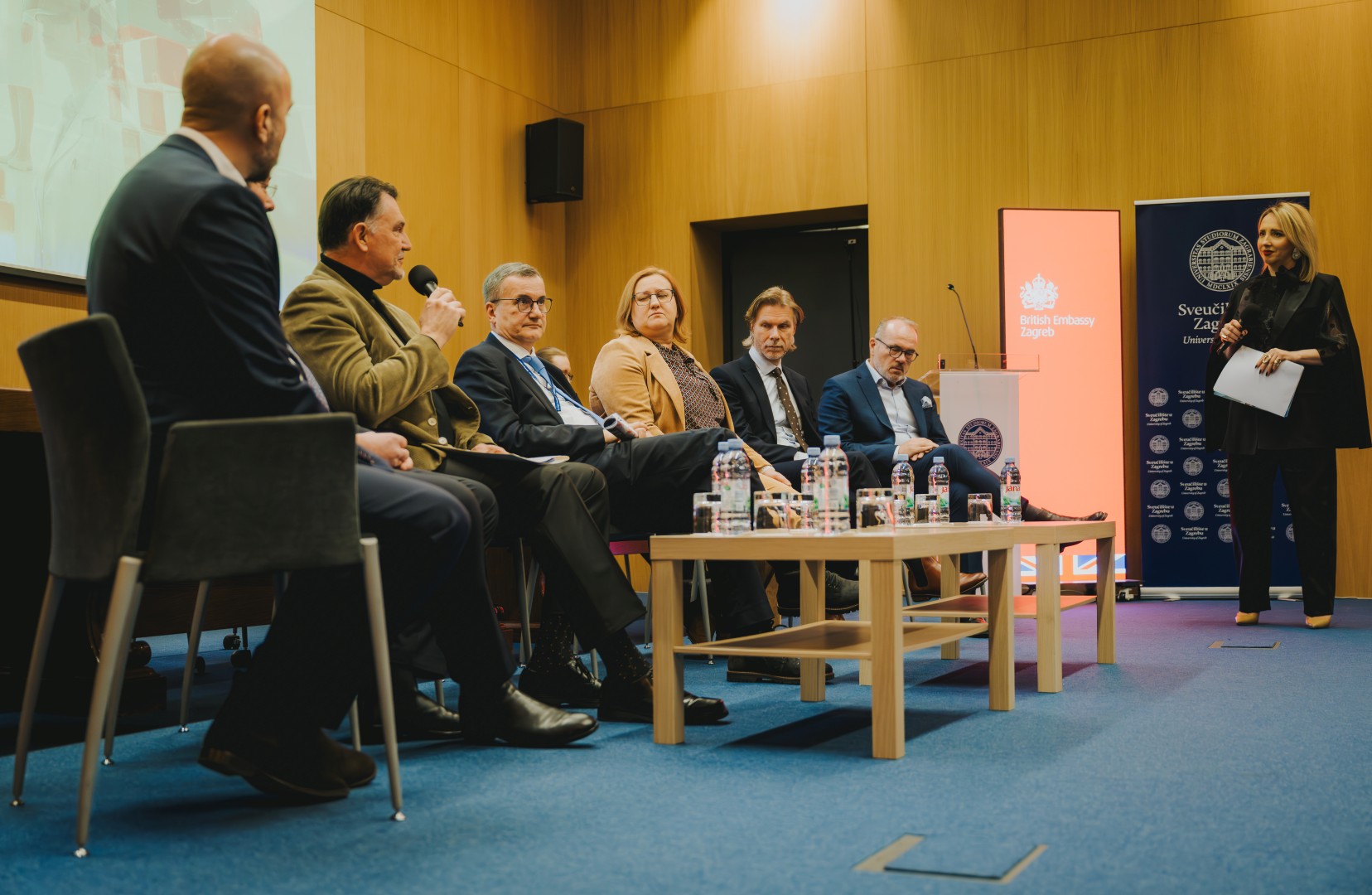
The panel discussions brought together representatives of ministries, academia, industry, and healthcare institutions. The key conclusions highlighted the need for earlier involvement of public institutions and payers in the innovation development process; clearer and more predictable regulatory and financial frameworks; a stronger role for universities as a bridge between science and the market; and the positioning of Croatia as a European testbed for health technologies, supported by international partners.
The panel entitled “How to Proactively Inspire and Support HealthTech Innovation and Its Role in Improving the Public Healthcare System” brought together Professor Tony Young (NHS England), Jelena Ćurać (Croatian Health Insurance Fund), Andreja Matkun (Ministry of Health of the Republic of Croatia), Professor Boris Brkljačić, MD, PhD (Vice-Rector of the University of Zagreb / International Society of Radiology), Miroslav Šaban (Philips CEE/Europe), Professor Tomislav Josip Mlinarić, PhD (Vice-Rector of the University of Zagreb), Lovro Bojanić (AstraZeneca Croatia), and Damir Detić (CROMED / Johnson & Johnson, MedTech Europe). The discussion focused on how public policy, healthcare systems, industry, and academia can proactively foster and scale health innovations, with particular emphasis on the role of digital health, regulatory and financial frameworks, and cross-sector collaboration in strengthening the efficiency and sustainability of the public healthcare system.
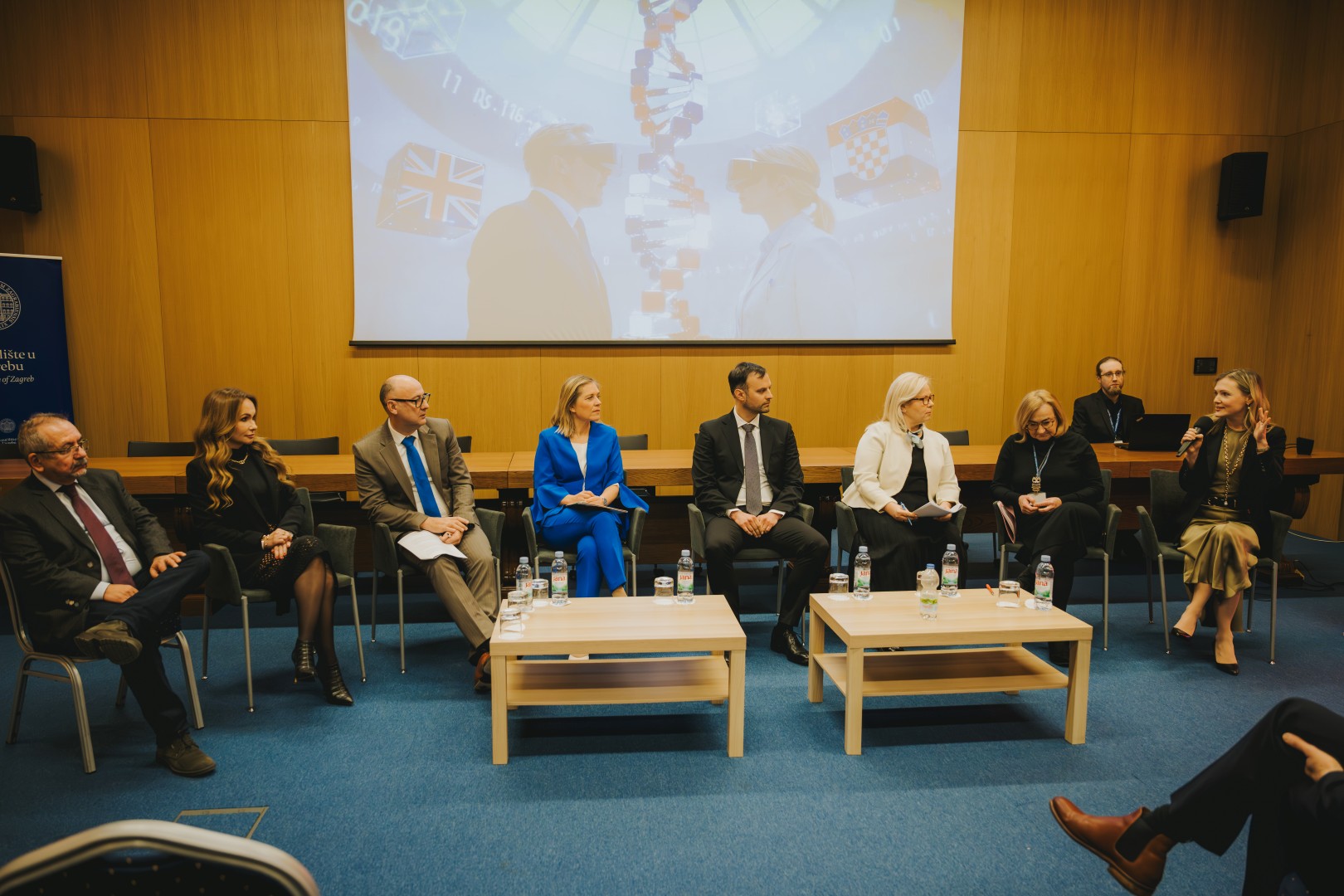
The panel entitled “Local Healthcare Innovation Policy Initiatives and Funding Options: Exchange of UK and Croatian Perspectives” brought together Dace Dimza-Jones (Department for Business & Trade, UK Government), Vesna Gabelica Marković, PhD (University of Zagreb), Martina Jelinić (City of Zagreb Office for Health), Marko Mimica (Health Innovation Hub NetHub), Marija Lovrić, PhD (BICRO BIOCentre), Professor Goran Hauser, PhD (Faculty of Medicine, University of Rijeka), Ivana Ivanišević Zlački (AstraZeneca), and Professor Darko Chudy, PhD (Dubrava University Hospital / University of Zagreb).
The panel focused on the exchange of UK and Croatian experiences in shaping local policies and funding mechanisms for healthcare innovation, with particular emphasis on the role of public institutions, universities, cities, and innovation hubs in creating sustainable HealthTech ecosystems, as well as on opportunities to position Croatia as an attractive environment for testing and scaling health technologies.



The conference brought together more than one hundred participants, including numerous creators of innovative start-up ideas leveraging artificial intelligence, advanced diagnostics, microbiomics, and high-precision laboratory technologies for the early detection of neurological and neurodevelopmental disorders, personalised healthcare, and safer and more effective treatments. Their discussions with representatives of the NHS and the UK Government paved the way for the internationalisation of these solutions, with the aim of strengthening global cooperation in the development of digital health, medical devices, and evidence-based health technologies.
Participants agreed that cooperation with the United Kingdom—particularly through the experience of the NHS and the UK’s innovation networks—represents a significant opportunity to accelerate the digital transformation of Croatia’s healthcare system and to develop a competitive healthtech sector.

PHOTOGALLERY //
https://www.facebook.com/media/set/?set=a.915250987545555&type=3